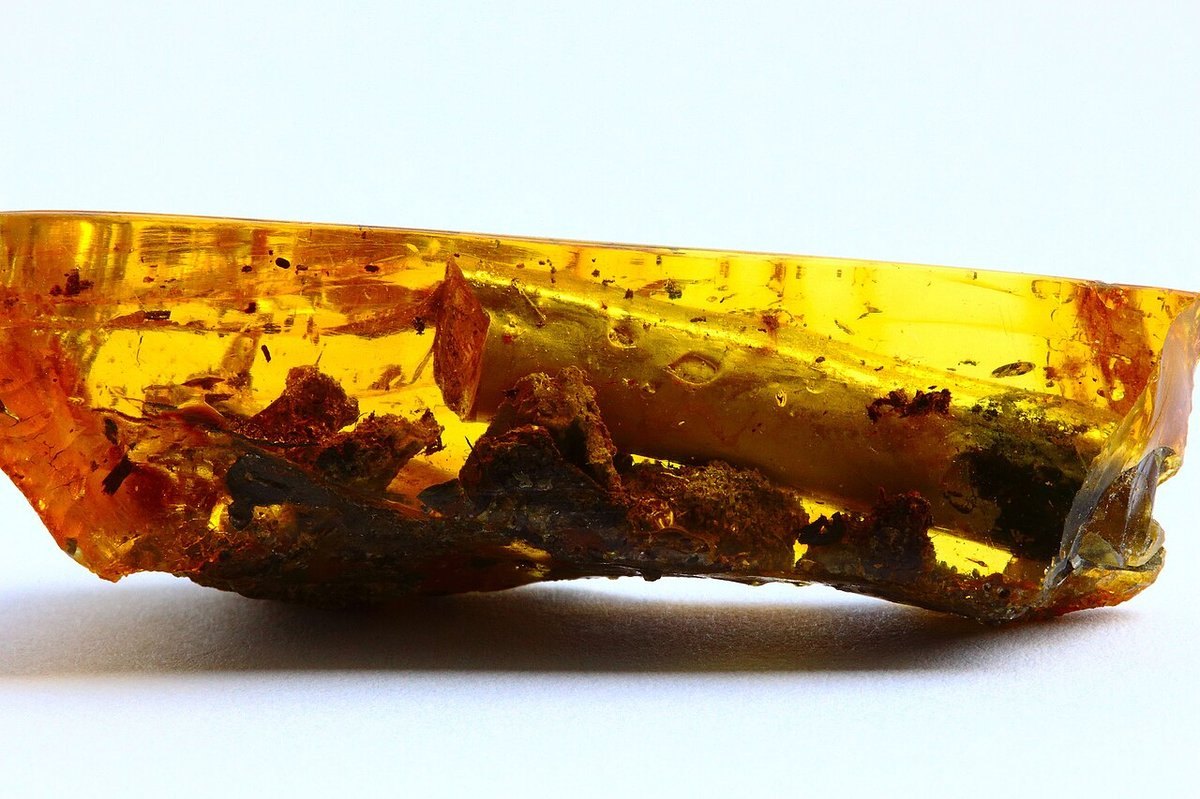
Baltic Amber
Golden fossilized tree resin from the Baltic Sea coast, baltic amber is a warm light-filled organic gem of ancient warmth and life force.
- Baltic amber is 30 to 50 million years old, fossilized from extinct conifer trees of the Eocene epoch.
- The Greek word for amber, elektron, gave us the modern word electricity due to amber's static electric properties.
- Russia's Kaliningrad Yantarny mine produces about 90 percent of the world's commercial baltic amber supply.
- Insect inclusions in amber preserve specimens with cellular detail exceptional by any other type of fossilization.
- Baltic amber contains 3 to 8 percent succinic acid, a chemical signature that distinguishes it from other ambers.
- Practitioners working with solar plexus warmth and ancestral connection
- Beaded jewelry buyers wanting warm honey-toned organic material
- Parents researching natural alternatives for traditional teething necklaces (with safety caution)
- Collectors fascinated by 30-50 million year old fossilized tree resin
- Cultural-heritage buyers connected to Baltic European traditions
- Daily-wear ring buyers (too soft for ring use; chips easily)
- Anyone needing a hard durable stone (try citrine or sunstone)
- Buyers wanting transparent gem brilliance (try yellow sapphire)
What Is Baltic Amber?
Baltic amber is fossilized tree resin from extinct conifers that grew along the Baltic Sea coast approximately 30 to 50 million years ago, during the Eocene Epoch. It rates 2 - 2.5 on the Mohs hardness scale.
The resin oozed from tree wounds, hardened, was buried in marine sediments, and slowly polymerized over geological time into the warm honey-colored material we know today. The mineralogical name is succinite, distinguishing it from amber-like resins from other regions.
Baltic amber is chemically distinct because it contains 3 to 8 percent succinic acid, a compound found in much smaller amounts in other amber types. The succinic acid content has driven both legitimate scientific research and traditional folk-healing claims for centuries.
Color ranges from pale lemon yellow through honey gold to deep cherry red and even rare green and blue varieties depending on internal structure and inclusions.
Most baltic amber is found in marine sediments along the southeastern Baltic coast, with the Kaliningrad Oblast (Russian Federation) producing roughly 90 percent of the world's commercial supply from the Yantarny mine. Lithuania, Poland, Latvia, and Germany contribute additional material.
Beach amber washed up on Baltic shores after storms is the traditional folk source. Amber is too soft (Mohs 2 to 2.5) for most jewelry applications but is widely used for beads, pendants, brooches, and cabochons because of its warm color and lightweight handling.
Inclusions of insects, plant matter, and air bubbles are scientifically valuable and often increase amber's price.
How Baltic Amber Compares
| Property | Baltic Amber | Copal | Citrine |
|---|---|---|---|
| Hardness | 2 - 2.5 | 1 - 2 | 7 |
| Price / piece | $ Budget | $ Budget | $ Budget |
| Age | 30-50 million years | Hundreds to few million years | Geological |
| Best For | Traditional jewelry, healing | Decorative use | Daily wear, abundance |
Meaning and Symbolism
Baltic amber carries one of the longest documented histories of any gem material. Greek philosophers wrote about amber by 600 BCE, and the Greek word for amber, elektron, gave us the modern word electricity (because rubbed amber attracts light objects through static electricity).
Roman writer Pliny the Elder dedicated extensive sections of his Natural History to amber's origins, properties, and trade. The Baltic Amber Road was a major trade route connecting northern Europe to the Mediterranean for over 2,000 years.
Across European cultures, amber has been associated with warmth, vitality, and the captured light of the sun. Norse mythology described amber as the tears of Freya, while Greek myths attributed amber to the tears of the Heliades, sisters of Phaethon mourning his death.
These solar associations have shaped amber's symbolism continuously, with modern crystal practice still treating it as a stone of warm vitality and life force.
In modern crystal healing tradition, baltic amber is associated with the solar plexus and sacral chakras, particularly through its warm color and ancient solar symbolism. Practitioners believe it supports physical vitality, ancestral connection, and the kind of grounded warmth that bridges body and spirit.
Many find baltic amber useful for warmth-themed practice, ancestral work, and traditional European cultural ceremonies.
The succinic acid content has supported folk traditions of using amber for inflammation, joint discomfort, and (most famously) infant teething, though scientific evidence for transdermal absorption is limited and amber teething necklaces carry strangulation and choking risks that pediatric authorities recommend avoiding.
Historical Timeline
Healing Tradition
Emotional
Practitioners believe baltic amber supports warm steady emotional vitality, particularly during cold seasons or periods of low energy. In crystal healing tradition, it is said to lift sluggish moods, restore enthusiasm during burnout recovery, and create what practitioners describe as warm ancestral comfort similar to the emotional warmth of family heritage.
Many find baltic amber useful as a daily-carry pendant during winter months, low-energy seasons, or recovery from illness. The stone is often paired with citrine for combined warmth and confidence work and with sunstone for layered solar vitality.
Because baltic amber is light, warm, and feels organic against the skin, many readers describe it as comforting in ways that mineral stones do not match. It is commonly recommended for sensitive readers and for people seeking gentle reliable support rather than dramatic intervention.
The traditional Baltic European cultural heritage attached to amber adds a layer of ancestral comfort for readers connected to those traditions.
Spiritual
In crystal healing tradition, baltic amber is one of the warmest organic gems associated with the solar plexus and sacral chakras. Practitioners believe its captured ancient sunlight supports vitality, ancestral connection, and what practitioners describe as the linking of personal warmth to deep geological time.
Many practitioners use baltic amber during ancestor work, traditional European folk practice, or sustained meditation focused on body warmth and gratitude.
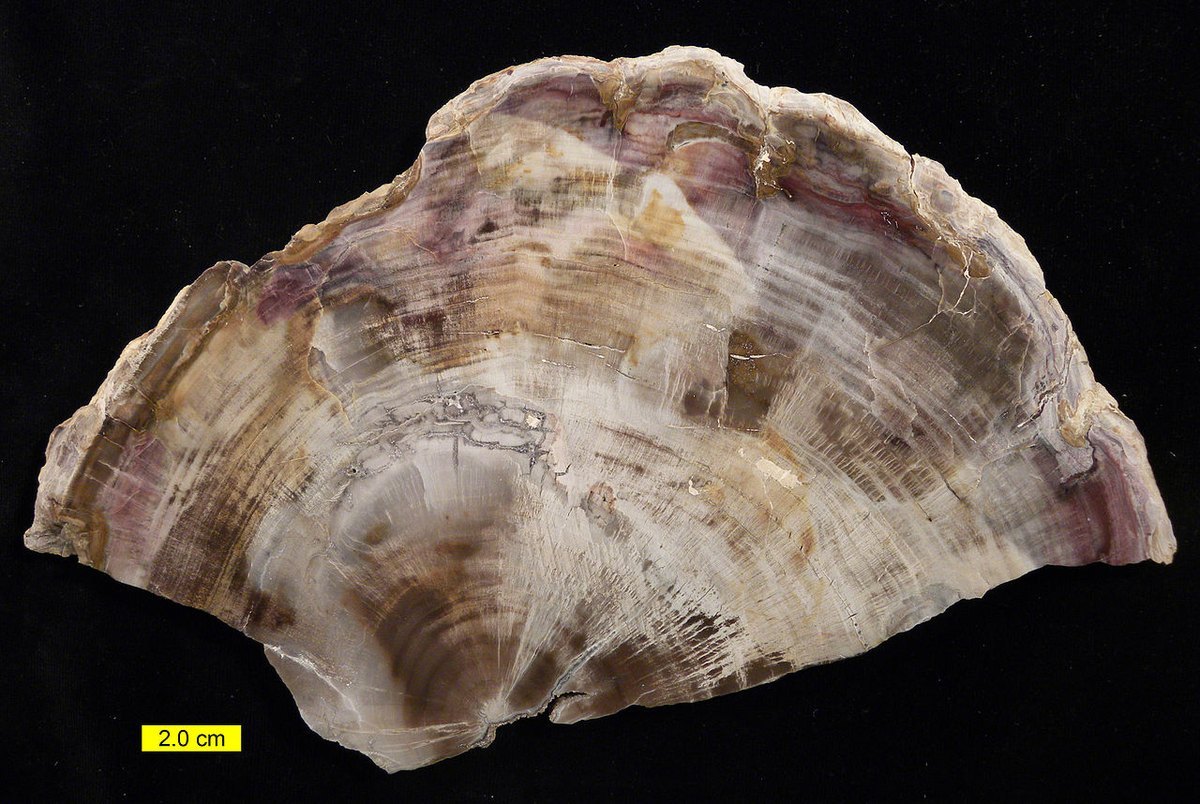
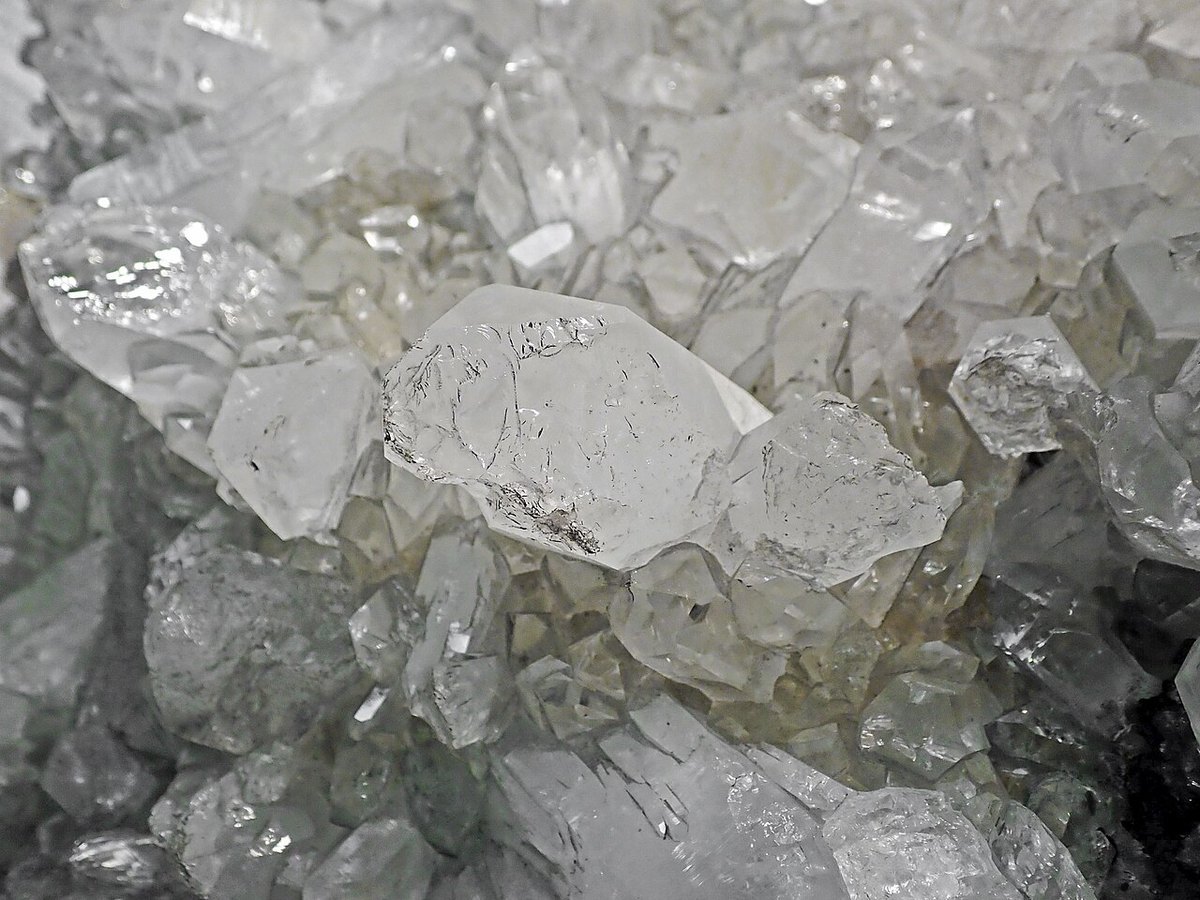
The stone pairs naturally with clear quartz for amplification, with citrine for combined solar warmth, and with petrified wood for shared deep-time organic material work.
Norse and Greek mythology both treated amber as solidified tears of grief that became transformed into warmth, and this transformation theme remains central to the stone's modern spiritual reputation. Baltic amber is also widely used in family-altar practice for European cultural heritage celebrations.
Physical
Practitioners believe baltic amber's succinic acid content supports what traditions describe as inflammation reduction, joint comfort, and immune resilience. Folk healing traditions across Northern Europe have used amber for centuries in necklaces and amulets for these purposes.
The most famous traditional use is amber teething necklaces for infants, where the warmth-released succinic acid is said to ease teething pain. Baltic amber is not a substitute for medical care, and crystal traditions frame it as supportive rather than curative.
IMPORTANT SAFETY NOTE: amber teething necklaces carry documented strangulation and choking risks for infants and toddlers. Pediatric authorities including the American Academy of Pediatrics, Health Canada, and the FDA strongly recommend against amber teething necklaces despite traditional usage.
Practitioners can wear amber pendants and bracelets safely for adult vitality work, but never as infant jewelry.
Zodiac, Birthstone and Gifts
Baltic amber is not a classical birthstone but is sometimes associated with traditional September observances in Northern European folk practice. Modern crystal writers often suggest it for Leo readers seeking warm radiant vitality and for Aquarius readers connected to Baltic cultural heritage.
Astrologers traditionally associate amber with the Sun for its captured solar warmth and golden color. Fire signs broadly find baltic amber supportive of their natural warmth.
Earth signs often appreciate amber for its grounded ancient organic character. Water signs sometimes use amber as a warming counterbalance to their cooler emotional palette.
Care and Cleansing
Baltic amber requires gentle cleaning because the stone is soft and chemically sensitive. Lukewarm water with mild soap is acceptable for brief rinsing. Avoid hot water, ultrasonic cleaners, steam, saltwater, and chemical cleaners entirely because amber dissolves in alcohol, ether, and other organic solvents.
Dry the stone immediately after any water exposure with a soft lint-free cloth.
Smoke cleansing with sage, palo santo, cedar, or frankincense is the safest method for baltic amber. Sound cleansing with a singing bowl is also fine. Brief moonlight exposure is the traditional recharging approach.
Limit prolonged direct sunlight because amber can dehydrate and crack with extended UV exposure over years. Recharging on a clear quartz cluster overnight or near a small bowl of dried herbs is standard practice.
- DO NOT keep amber teething necklaces on infants; pediatric authorities document strangulation and choking risks.
- DO clean baltic amber with lukewarm soapy water and a soft cloth; dry immediately.
- DO NOT use ultrasonic cleaners, steam, alcohol, or chemical solvents on amber.
- DO store amber separately from harder stones to avoid scratches.
- DO NOT subject amber to sudden temperature changes or prolonged direct sunlight; the stone can crack.
- DO request disclosure of any treatments, including pressing, color enhancement, and copal substitution.
- Note: amber floats in saltwater (one traditional authenticity test); plastic and glass imitations sink.
Real vs Fake
Genuine baltic amber shows warm honey to deep cognac color, occasional internal bubbles or inclusions, and a slight electrostatic property when rubbed against fabric. Real amber feels warm to the touch (not cold like glass), is lightweight (specific gravity around 1.05), and floats in saturated saltwater (the traditional Baltic salt-test).
Imitations made from copal (younger resin), pressed amber, glass, plastic, or phenolic resin can be distinguished by various tests.
The salt-test is the most accessible authenticity check: dissolve 7 to 8 teaspoons of salt in a glass of warm water until saturated. Real baltic amber floats; plastic, glass, and most imitations sink. Copal (younger resin) often floats but can be distinguished by its softer texture.
An acetone test on an inconspicuous area dissolves copal but not real baltic amber.
At home, you can rub amber against a wool cloth to test for static electricity (real amber attracts small paper bits), check for warm tactile feel against the skin, and examine inclusions under 10x magnification (real amber inclusions are random natural shapes; imitation inclusions are often suspiciously perfect or repeated).
Pressed amber is a legitimate but lower-grade product made from compressed small pieces; it should be disclosed and priced lower than natural piece amber.
For higher-priced inclusion specimens (insects, plants), request a lab report confirming authenticity, especially for stones above $100. Modern faked insect inclusions in plastic are common in budget markets and can fool casual buyers without expert knowledge.
Baltic Amber Jewelry & Gifts
Baltic amber pricing varies widely by clarity, color, size, and inclusion content. Small honey-colored beads and pendants run $10 to $50 each. Mid-grade necklaces with consistent color and clean material run $50 to $300.
Premium pieces with exceptional clarity, deep cognac or rare color (green, blue, fluorescent), or insect inclusions can reach $500 to $5,000 or significantly more for museum-grade specimens.
Insect-bearing amber is the price outlier within the species. Common fly or ant inclusions in clean amber can run $100 to $500 for small pieces; rare specimens with multiple insects, particularly larger species like spiders or moths, can reach $5,000 to $50,000 for scientifically important examples.
Treatment disclosure is essential. Pressed amber (made from compressed scrap) and heat-treated amber (clarified and color-enhanced) are widely traded but should be disclosed and priced significantly lower than natural piece amber.
Always ask about treatment, especially for unusually clear or perfectly colored stones at low prices. Buy from established Baltic amber dealers, particularly those connected to Lithuanian, Polish, or Russian Kaliningrad heritage trade.
Where to Buy Baltic Amber
Affiliate disclosure: Some links below earn us a small commission at no extra cost to you. See our affiliate disclosure page.
Handmade, raw, and tumbled pieces from independent sellers worldwide.
Shop Baltic Amber on Etsy →Accessories, tools, and specimen sets with fast Prime delivery.
Shop Baltic Amber on Amazon →Certified loose gemstones graded and photographed for online buyers.
Shop Baltic Amber on GemSelect →Pairs Well With




Where Baltic Amber Is Found


