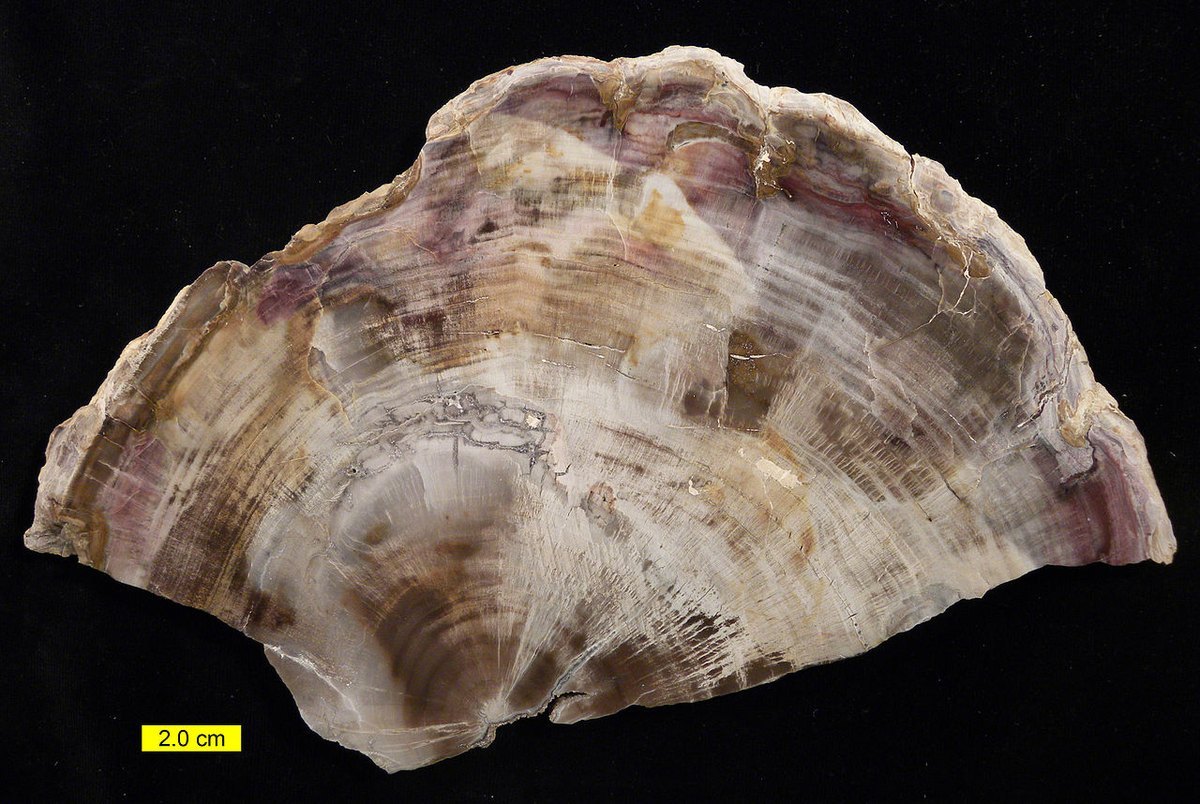
Petrified Wood
Born in ancient forests preserved by silica-rich water over millions of years, petrified wood is the deep time stone of patient grounding.
- Some Arizona petrified wood specimens are approximately 225 million years old.
- The Petrified Forest National Park in Arizona is the largest ethical petrified wood preserve.
- Opalized petrified wood from Australia shows play-of-color similar to precious opal.
- Different colors in petrified wood reflect the trace minerals present during fossilization.
- Removing petrified wood from Arizona's Petrified Forest National Park is federally illegal.
- Practitioners seeking a deep-time grounding stone connecting to ancestral roots
- Readers drawn to unique tree-ring patterns and natural mineral replacement art
- Crystal workers bridging root chakra work with ancestral lineage
- Collectors of Arizona Petrified Forest specimens with ethical provenance
- Gift buyers for housewarmings, retirement, and grandparent milestones
- Buyers wanting faceted transparent stones (petrified wood is opaque)
- Readers seeking single-color saturated stones (wood shows multiple mineral colors)
- Shoppers needing quick decisions (petrified wood teaches patience over speed)
What Is Petrified Wood?
Petrified wood is fossilized tree material where original organic wood has been gradually replaced by silica-rich mineral solutions over millions of years. The replacement process preserves cellular structure, tree rings, and occasionally bark patterns, while substituting quartz, chalcedony, opal, or other silicate minerals for the original wood.
At Mohs 6.5 to 7, petrified wood has the hardness of quartz chalcedony.
The formation process requires specific conditions: rapid burial in sediment or volcanic ash, saturated groundwater carrying dissolved silica, and geological time measured in tens to hundreds of millions of years. Most commercial petrified wood dates from the Triassic through Cenozoic periods, with Arizona's Petrified Forest specimens approximately 225 million years old.
Colors come from trace iron, manganese, copper, and other mineral impurities.
Major commercial sources include the United States (Arizona, Washington, Oregon), Australia (Queensland, New South Wales), Indonesia (Java, Sumatra), Madagascar, and Argentina. Arizona's Petrified Forest National Park protects specimens from illegal collection, so ethical Arizona material comes from private lands outside park boundaries.
Indonesian petrified wood is often particularly vivid, while Australian material includes opalized wood with play-of-color similar to white opal.
How Petrified Wood Compares
| Property | Petrified Wood | Jasper | Agate |
|---|---|---|---|
| Hardness | 6.5 - 7 | 6.5 - 7 | 6.5 - 7 |
| Price / carat | — | — | $ Budget |
| Rarity | Moderate | Very Common | Common |
| Best For | Grounding, display, carvings | Everyday tumbles, beads | Banded carvings |
Meaning and Symbolism
Petrified wood has been used by human cultures for thousands of years. Indigenous peoples of the American Southwest incorporated Arizona petrified wood into tools, jewelry, and ceremonial objects. The ancient Egyptians fashioned petrified wood into sarcophagus inlays, and Roman artisans used it for cameos and ornamental pieces.
The stone's visible tree rings have always carried symbolic weight as a bridge between vegetable and mineral worlds.
In modern crystal healing tradition, petrified wood is associated with deep time grounding, ancestral wisdom, and patient endurance. Practitioners often describe it as a stone that connects the wearer to geological time scales, fostering perspective on current challenges through the lens of millions of years of earth history.
Its root chakra placement is natural given the wood-to-stone transformation symbolism.
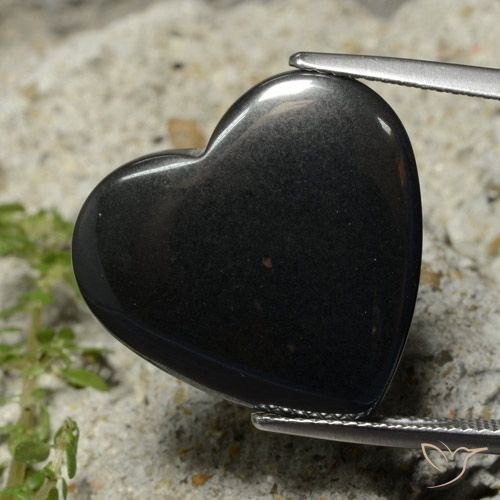
Crystal workers often describe petrified wood as a grandmother stone, fitting for readers exploring ancestral lineage, family history, or generational patterns. The stone is traditionally used in grounding grids alongside black tourmaline and hematite.
Modern tradition has also linked petrified wood with past-life work and genetic memory, making it a favored stone for readers interested in exploring personal history across multiple generations or lifetimes.
Historical Timeline
Healing Tradition
Emotional
Practitioners believe petrified wood is a stone of deep time perspective, traditionally associated with grounded endurance, patient progress, and release of present-moment anxiety through connection to geological scale. In crystal healing tradition, it is said to help readers zoom out from immediate worry toward longer-view composure.
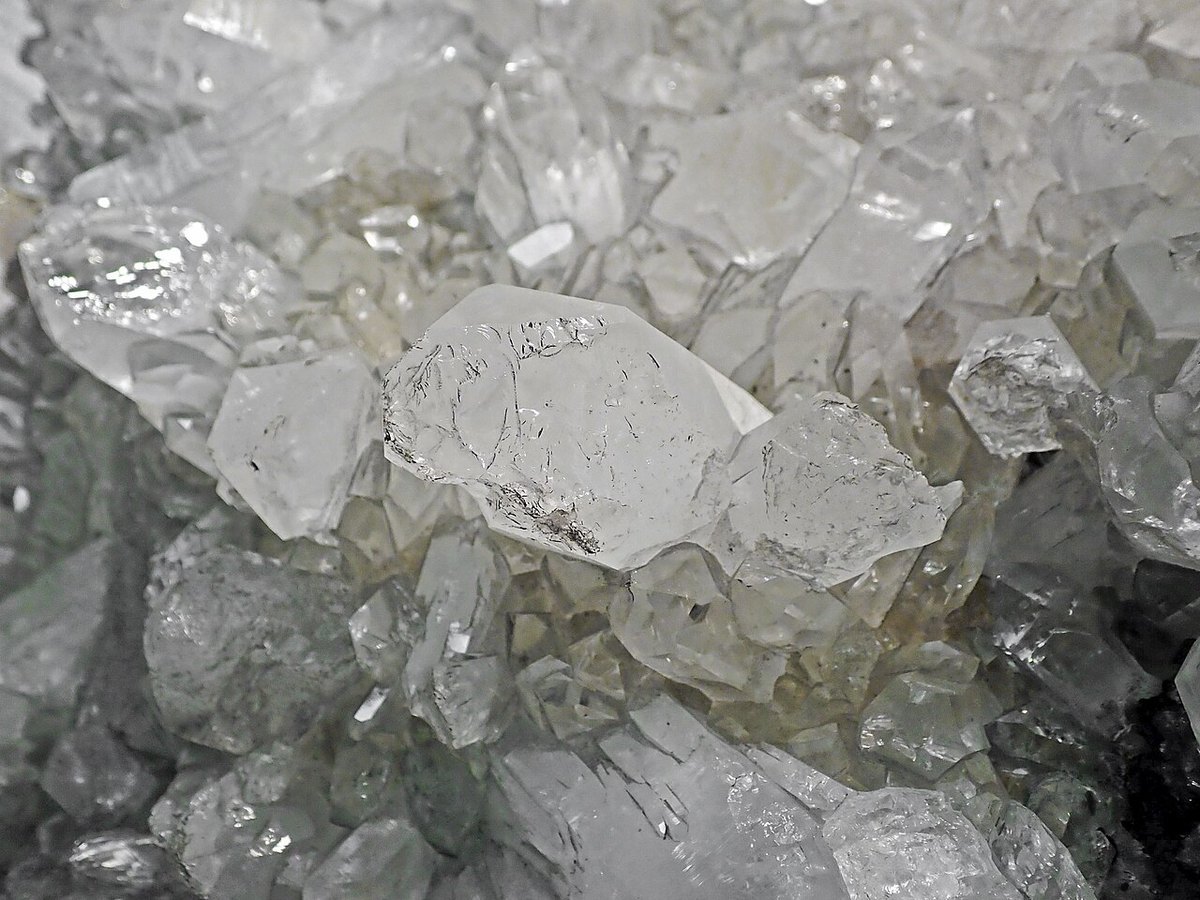
Many readers keep a small polished petrified wood piece on a desk as a quiet time-perspective anchor. Practitioners often pair petrified wood with black tourmaline for grounding and with amber for organic-origin pairing.
Crystal workers frequently describe petrified wood as a grandmother stone, suitable for readers working with ancestral themes or family lineage. The visible tree rings are often used symbolically during meditation focused on past seasons, cycles, or generational patterns.
Its affordability and beautiful organic patterns have made petrified wood widely popular in contemporary crystal practice.
Spiritual
In crystal healing tradition, petrified wood is linked with the root chakra and the Earth Star chakra below the feet, zones practitioners associate with deep grounding and connection to ancestral or evolutionary lineage. The stone's wood-to-stone transformation is read as symbolic of long patient change.
Many readers use petrified wood in grids focused on past-life work, ancestral healing, or connecting with genetic memory.
Practitioners often describe petrified wood as a bridge stone, linking the living world (tree) with the mineral kingdom (stone) across immense time. Crystal workers pair petrified wood with amber in ancestry grids and with clear quartz for amplification.
The stone is also traditionally placed near the bed as a deep-grounding companion for readers working through anxiety or unsettled sleep. Arizona-origin specimens carry particular symbolic weight for American lineage work.
Physical
Practitioners believe petrified wood is traditionally associated with skeletal strength, joint stability, and what they describe as overall slow physical renewal. Folklore links the stone with recovery from injuries requiring long healing, with general bone and ligament resilience, and with aging gracefully, framed as supportive accompaniment rather than medical intervention.
Many readers wear petrified wood pendants or keep palm stones nearby during recovery from fractures, joint work, or extended rehabilitation. The stone is not a substitute for healthcare and practitioners are consistent in describing its role as accompanying rather than treating.
Some crystal workers also pair petrified wood with hematite in stamina grids for aging readers. Because petrified wood is chemically stable silica, it is tolerated in direct gem elixirs and other direct-contact practices.
Zodiac, Birthstone and Gifts
Petrified wood is not a traditional birthstone, but modern astrologers often associate it with earth signs Taurus for its grounded material stability and with Capricorn for its long-term discipline and ancestral lineage themes.
For Taurus readers, petrified wood is often recommended as a quiet desk or bedside anchor. Capricorn readers pursuing multigenerational work tend to find the stone symbolically resonant. Practitioners sometimes pair petrified wood with amber for organic-origin lineage work in zodiac kits.
Care and Cleansing
Petrified wood is one of the easiest stones to maintain. Lukewarm running water is safe for natural polished and tumbled material, and a soft brush with mild soap handles set jewelry and larger display pieces without risk.
The stone tolerates ultrasonic cleaning in unfractured form, though fracture-filled or heavily opal-replaced specimens should avoid the method.
Moonlight, sound cleansing with a singing bowl, and smoke cleansing with palo santo or sage are all traditional and safe. Dry salt cleansing for a few hours is acceptable. Many practitioners rest petrified wood on selenite plates overnight as a gentle energetic reset.
Saltwater is generally tolerated briefly but extended soaking should be avoided on set jewelry pieces.
Sunlight is fully tolerated and does not fade petrified wood. Long-term storage in direct sunlight causes no harm. The stone's durability and color stability make it one of the most forgiving crystal materials in routine cleansing.
Display slabs can be kept on sunny windowsills without concern, and tumbled pieces can be carried daily as passive grounding companions.
- DO rinse petrified wood in lukewarm water and dry with a soft cloth.
- DO NOT use ultrasonic cleaners on opalized or heavily fractured specimens.
- DO source petrified wood from ethical suppliers, avoiding illegal National Park material.
- DO store petrified wood separately to protect softer stones from scratches.
- DO handle display slabs carefully because large pieces can be heavy and awkward.
- DO remove petrified wood jewelry before heavy physical work to prevent chipping edges.
- Note: Arizona Petrified Forest National Park material is illegal to collect; buy only from ethical sources.
Real vs Fake
Genuine petrified wood shows characteristic tree-ring patterns, cellular structure, and sometimes visible bark or branch features. The stone has Mohs 6.5 to 7 hardness (scratches glass), refractive index 1.544 to 1.553, and specific gravity 2.58 to 2.91. Under a 10x loupe, the mineral-replaced wood cells are often visible as preserved cellular structure.
Common imitations include epoxy resin composites with molded wood-grain patterns, stained real wood disguised as fossil, and plastic castings. Resin composites feel warm and lightweight compared to genuine stone. Stained wood still shows organic fiber under magnification and does not have mineral hardness.
Plastic castings often show visible seam lines or mold artifacts.
Legitimate trade in Arizona petrified wood requires ethical sourcing from private lands outside the National Park, and reputable sellers provide provenance documentation. Buyers should avoid suspiciously cheap or undocumented Arizona material, which may be illegally removed from protected areas. Indonesian and Australian petrified wood has clearer supply chains for ethical purchase.
Petrified Wood Jewelry & Gifts
Petrified wood spans a wide price range depending on size, pattern, and mineral replacement type. Small tumbled pieces typically cost $3 to $10 each. Polished palm stones run $10 to $40.
Cabochons for jewelry sit at $5 to $30. Larger polished slabs range from $30 to $500 depending on dimensions, and exceptional opalized pieces reach $500 to $5,000 or more. Collector-grade Indonesian petrified wood with vivid color and Australian opalized wood command premium pricing. Arizona petrified wood from ethical sources carries provenance value.
Treatment is generally limited to polishing and occasional stabilization of softer pieces. Dyed petrified wood exists in cheap commercial markets and should be disclosed. For jewelry, favor cabochons with interesting tree-ring patterns and good color. Ask reputable sellers about origin documentation, especially for Arizona material, and verify ethical sourcing for collector-grade pieces.
Where to Buy Petrified Wood
Affiliate disclosure: Some links below earn us a small commission at no extra cost to you. See our affiliate disclosure page.
Handmade, raw, and tumbled pieces from independent sellers worldwide.
Shop Petrified Wood on Etsy →Accessories, tools, and specimen sets with fast Prime delivery.
Shop Petrified Wood on Amazon →Certified loose gemstones graded and photographed for online buyers.
Shop Petrified Wood on GemSelect →Pairs Well With




Where Petrified Wood Is Found


