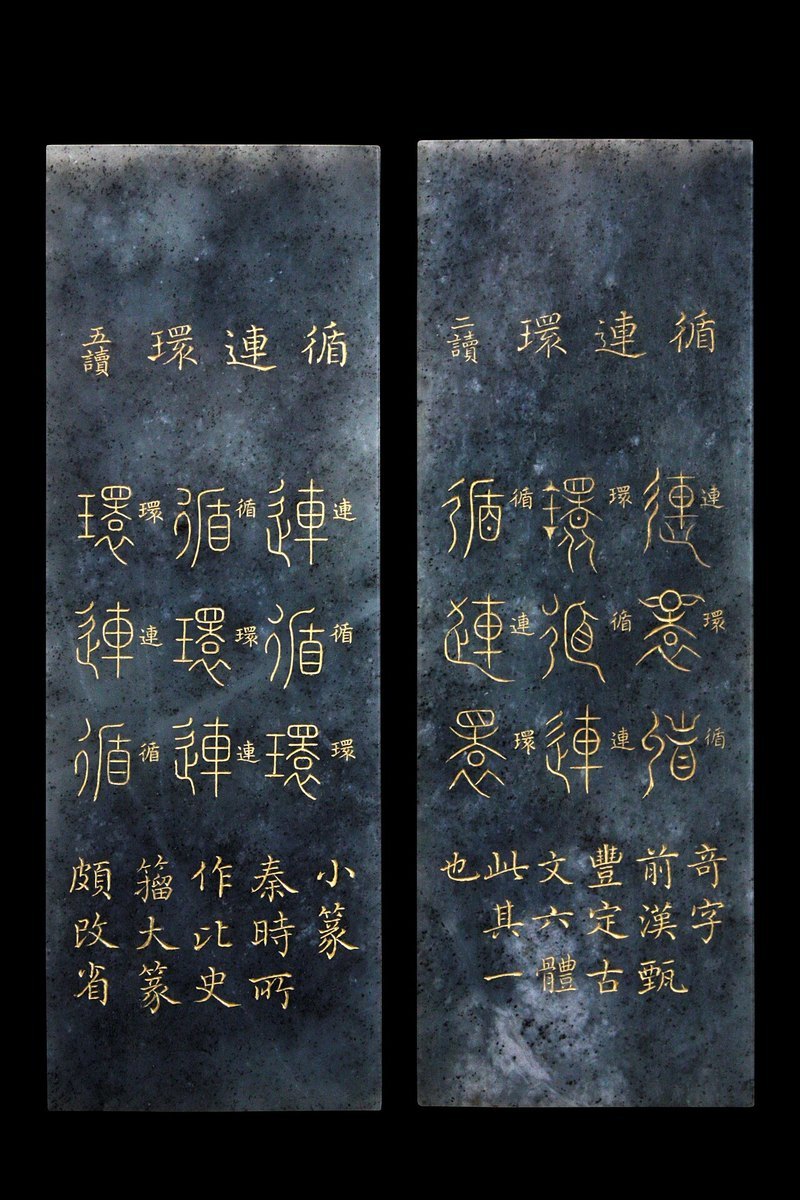
Black Jade
Deep earth-black with mineral depth, black jade is the protective sibling of classical jade family traditions
- Black jade is usually very dark green rather than truly black when backlit strongly.
- Nephrite is the most common type of commercial black jade.
- Australia's Cowell deposits produce abundant black nephrite for international markets.
- Ancient Chinese burial traditions used black jade as a protective funerary stone.
- Nephrite has exceptional toughness because of its interlocking fibrous structure.
- Root chakra practitioners drawn to grounded protective jade energy
- Shadow-work meditators seeking dense mineral-black material
- Collectors interested in jade family variety beyond classic green
- Gift givers wanting protective heirloom pieces at moderate prices
- Heritage gift buyers drawn to East Asian jade traditions in darker tones
- Buyers wanting transparent faceted gems (try black spinel or smoky quartz)
- Those seeking bright vivid color (classic green jade or Imperial Jade)
- Fine jewelry engagement shoppers (try black diamond or onyx)
What Is Black Jade?
Black jade is the common trade name for very dark green to near-black jade, which can be either nephrite or jadeite. The color comes from iron-rich mineral inclusions, especially graphite in nephrite varieties and chromite in jadeite varieties. It rates 6 - 7 (nephrite or jadeite) on the Mohs hardness scale.
Despite the name, most black jade is actually very dark green when viewed in strong light.
Nephrite black jade is more common commercially and typically less expensive than jadeite black jade. Primary sources include Australia (Cowell and related deposits), Wyoming and California (USA), British Columbia (Canada), China (Qinghai), and Russia. Nephrite is a tough fibrous mineral that scores Mohs 6 to 6.5 with exceptional impact resistance.
Jadeite black jade is rarer and typically commands higher prices.
The stone has been used in Chinese jade carving tradition for millennia as a counterpoint to green jade, with particular resonance in funerary and protective contexts. Black jade is associated with Saturn and Pluto in Western astrological tradition, connecting it to shadow work and protective practice.
Most commercial black jade is cut as cabochons, beads, carvings, and bangles. The durability of jade family minerals makes black jade suitable for daily-wear jewelry. Prices vary widely depending on origin, whether nephrite or jadeite, size, and quality of finish.
Authentic black jade should always be certified as genuine jade rather than mistakenly identified black stone.
How Black Jade Compares
| Property | Black Jade | Black Onyx | Black Spinel |
|---|---|---|---|
| Hardness | 6 - 7 | 7 | 8 |
| Toughness | Exceptional (fibrous) | Moderate | Moderate |
| Price / stone | $ Budget | $ Budget | $$ Mid-range |
| Best For | Protective heirloom | Affordable elegance | Durable daily wear |
Meaning and Symbolism
Black jade has a long history in Chinese and Mesoamerican cultures as a protective and funerary stone. Ancient Chinese burial jade included black nephrite pieces representing the dark yin energy complementing white jade's yang association. Maya and Olmec cultures in Central America used dark jadeite for ritual and burial objects.
In crystal healing tradition, black jade is associated with the root chakra and with grounded protection. Practitioners describe the stone as a shield against psychic intrusion and a supporter of firm personal boundaries, with the jade-family lineage connecting it to traditional Chinese virtue cultivation.
The stone is often recommended for readers in high-stress environments.
Many readers choose black jade for shadow-work practice and protective jewelry. Crystal workers often pair black jade with black tourmaline for layered protective grounding or with classic green jade for yin-yang balance in traditional Chinese framing.
The stone carries cultural weight from both Chinese jade tradition and modern Western crystal healing, making it a bridge stone between classical and contemporary practice. Protective amulets and guardian stones are traditional jewelry forms for black jade across many cultures.
Historical Timeline
Healing Tradition
Emotional
Practitioners believe black jade supports steady protected presence and firm emotional boundaries. Crystal healing tradition associates the dark jade color with guardian energy, and the stone is often recommended for readers navigating high-stress workplaces, difficult family dynamics, or periods of public visibility.
Many readers wear black jade as daily-wear jewelry during demanding seasons, with the stone framed as a quiet protective companion. Crystal workers sometimes recommend it for readers recovering from boundary violations, treating it as a supporter of the slow rebuilding of safe personal space.
Crystal workers often pair black jade with black tourmaline for layered protective grounding or with rose quartz for tender balance during stressful phases. The stone is considered a mature adult support rather than an active stimulant.
Spiritual
In crystal healing tradition, black jade is linked with the root chakra and secondarily with the heart chakra. Practitioners describe the stone as a guardian presence, said to support the patient work of shadow integration and boundary maintenance.
Many readers use black jade during meditation focused on boundary setting, protective practice, and the acceptance of darker emotional territory. The stone has deep folkloric tradition in both Chinese and Mesoamerican cultures, giving it strong historical weight compared to newer crystal stones.
Crystal workers often place black jade near home entryways, at bedside tables, and on altars as protective threshold markers. The jade family lineage connects the stone to broader Chinese virtue cultivation practice, giving black jade particular resonance during ancestral honoring and family protection rituals.
Physical
Practitioners believe black jade supports what they describe as grounded vital energy and steady daily stamina during challenging periods. Chinese traditional medicine associated dark jade with kidney energy symbolism, though the stone is not a substitute for medical care.
Many readers wear black jade as bracelets and pendants during demanding work phases, with the stone framed as a daily protective companion. Crystal workers sometimes recommend it during recovery from exhaustion, treating it as a patient rebuilder of steady energy rather than active stimulant.
The stone is considered appropriate for root-chakra practices focused on grounded protection and firm physical presence. Traditional Chinese associations with longevity and protective power give black jade particular resonance for older family members and those in demanding leadership roles.
Zodiac, Birthstone and Gifts
Black jade is not a traditional Western birthstone, but astrologers often recommend it for Capricorn (for Saturn-ruled grounded protection), Scorpio (for protective depth and shadow work), and Aries (for firm personal boundaries).
The stone is often recommended during Saturn return and Pluto transit cycles when protective grounding feels especially important. Chinese astrology associates dark jade with protective longevity across many zodiac animals, making it a favored gift during Lunar New Year and significant life transitions.
Care and Cleansing
Black jade tolerates most standard cleaning methods. Warm soapy water with a soft cloth is safe for physical cleaning. Ultrasonic cleaners are generally safe for nephrite but should be avoided for polymer-treated jadeite. Steam cleaning is usually fine for authentic Type A material.
Moonlight charging is widely recommended. Morning sunlight is safe. Smoke cleansing with palo santo or sage is an excellent method. Dry salt cleansing is fine briefly; saltwater soaks should be avoided because of setting corrosion risk.
Chinese tradition often uses silk cloth dry-polishing as a daily care ritual, treating regular contact as part of the relationship with the stone. Many practitioners cleanse black jade by placing it on a bed of clear quartz or on earth burial briefly.
The tough jade structure makes black jade particularly forgiving of varied cleansing methods.
- DO verify authentic jade (nephrite or jadeite) before purchase.
- DO clean black jade with warm soapy water and a soft cloth for routine maintenance.
- DO NOT use ultrasonic cleaners on polymer-treated jadeite (Type B).
- DO use protective bezel settings for rings to preserve polish over years of wear.
- DO remove black jade jewelry before heavy manual work despite good durability.
- DO request laboratory certification for premium pieces above $500.
- Note: some black stones are mislabeled as black jade; verify with reputable dealers.
Real vs Fake
Genuine black jade shows characteristic fibrous structure (nephrite) or granular structure (jadeite) under 10x magnification, with the dark color arising from mineral inclusions rather than dye or coating. Refractive index ranges from 1.60 to 1.67 and specific gravity from 2.90 to 3.38 depending on nephrite or jadeite.
A fiber optic light source held to the edge often reveals very dark green interior color characteristic of authentic black jade.
Common imitations and misrepresentations include black glass, black serpentine, black onyx, dyed black dolomite, and various unrelated black stones mislabeled as jade. Laboratory testing is essential for premium pieces. Some dealers sell polymer-impregnated black jadeite (Type B) without adequate disclosure. Under UV light, Type B jadeite fluoresces from polymer filler.
Practical at-home checks include examining the stone with a bright light to reveal very dark green interior color (authentic black jade often shows green transmission at thin edges), testing hardness (black jade scratches a steel knife. It is not as hard as quartz for nephrite). Checking density (jade feels heavy for its size).
For purchases above $200, request documentation confirming the stone is genuine jade (nephrite or jadeite) with no treatments. Reputable dealers supply certificates readily for black jade pieces above this price range.
Black Jade Jewelry & Gifts
Black jade pricing varies widely by type and origin. Nephrite black jade cabochons and pendants run $15 to $100, larger carved pieces $50 to $300, and premium jadeite black jade pieces $100 to $1,000+. Type A jadeite black jade can exceed several thousand dollars for fine-quality bangles.
Australian Cowell nephrite and Chinese Qinghai nephrite dominate the affordable tier; Burmese jadeite black jade commands premium prices.
When buying, verify the material is genuine jade (not mislabeled black stone) and request disclosure of any treatments. Chinese markets value bangles, while Western markets favor pendants and carvings.
Most black jade reaches the international market through Chinese dealers, Australian exporters, and specialist jade retailers. The stone is particularly popular in Asian heritage jewelry lines and in Western protective-amulet craft.
Where to Buy Black Jade
Affiliate disclosure: Some links below earn us a small commission at no extra cost to you. See our affiliate disclosure page.
Handmade, raw, and tumbled pieces from independent sellers worldwide.
Shop Black Jade on Etsy →Accessories, tools, and specimen sets with fast Prime delivery.
Shop Black Jade on Amazon →Certified loose gemstones graded and photographed for online buyers.
Shop Black Jade on GemSelect →Pairs Well With

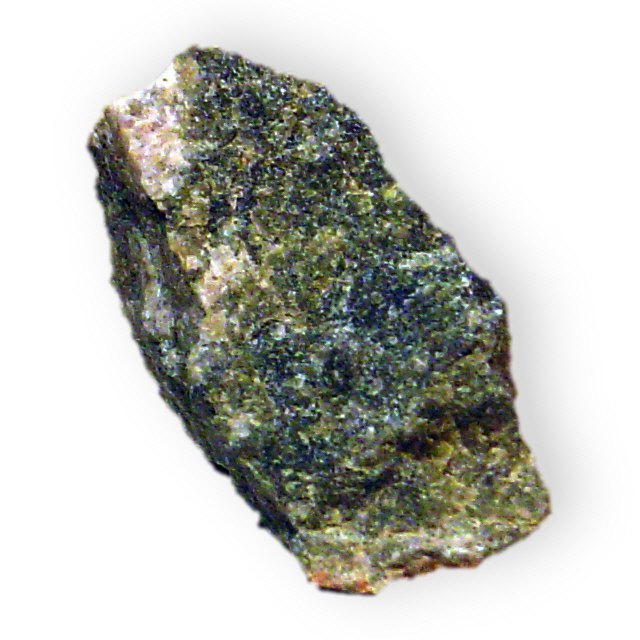



Where Black Jade Is Found


