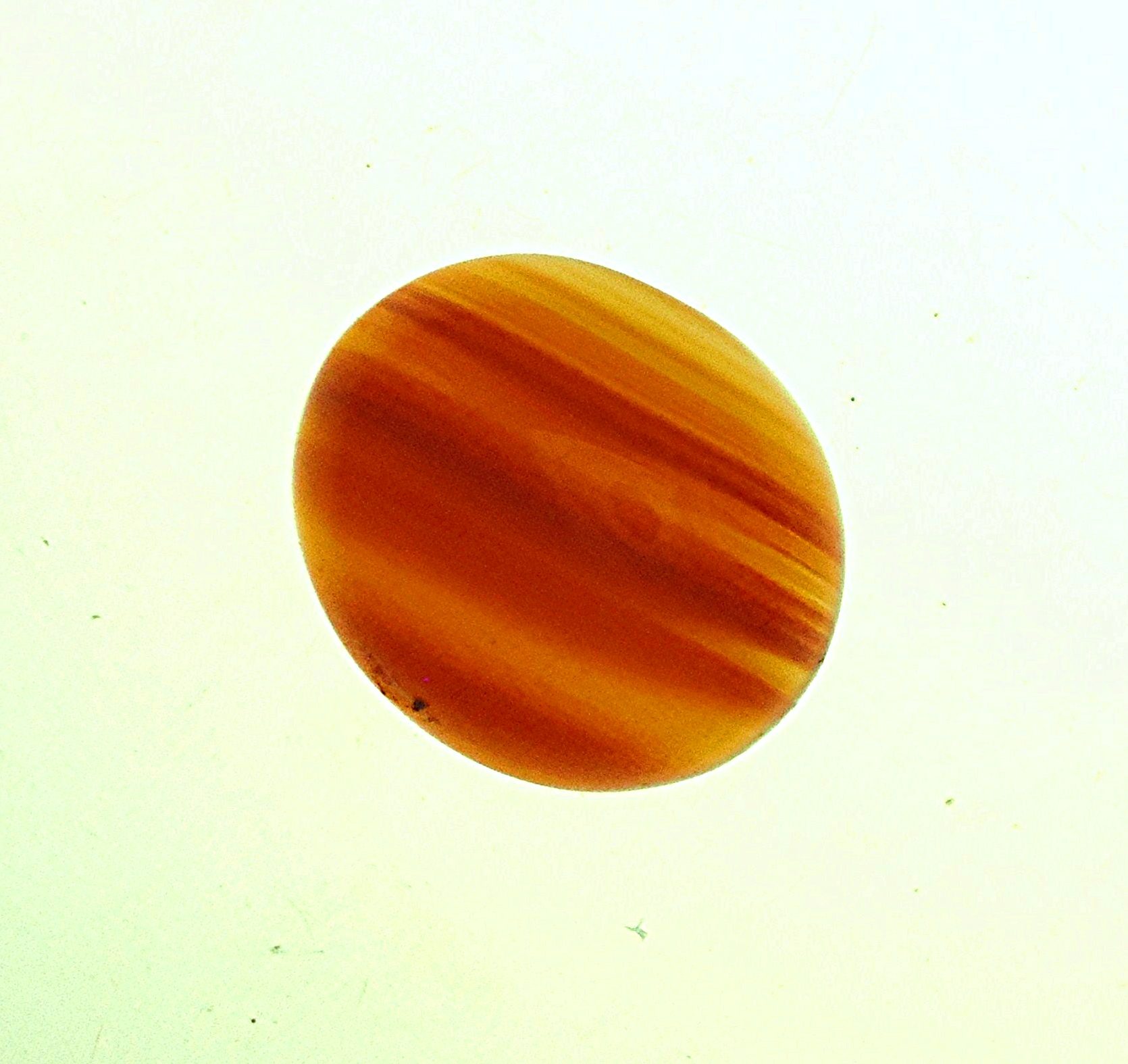
Brazilian Agate
The world's most abundant fortification agate - layered volcanic silica from southern Brazil that forms the backbone of the global lapidary market and natural stone trade.
- Brazilian Agate essentially saved the gem cutting industry of Idar-Oberstein, Germany - German lapidaries were running out of local stone when Brazilian imports arrived in 1827.
- The iron-based dye process used to color Brazilian Agate red was developed in Germany in the 1800s and is still the basis of commercial agate dyeing today.
- Some Brazilian Agate nodules contain a hollow center lined with amethyst crystals - these are the famous Brazilian geodes that appear as decorative bookends worldwide.
- The Paraná volcanic plateau that hosts Brazil's agate deposits is one of the largest flood basalt provinces on Earth, covering an area larger than France.
- Natural undyed Brazilian Agate tends toward soft gray, white, and brown tones - the vivid reds, blues, and greens commonly seen in agate displays are almost always enhanced.
- Beginners building their first crystal collection
- Budget buyers seeking quality fortification agate
- Lapidary students learning to cut and polish agate
- Root and Crown chakra balancing work
- Anyone who wants classic banded agate for decoration or jewelry
- Collectors seeking rare locality-specific stones - try Holly Blue Agate
- Those wanting dramatic color - undyed Brazilian agate is subtle
- Advanced collectors who need provenance-specific documentation
What Is Brazilian Agate?
Brazilian Agate is the world's most commercially significant agate variety, sourced primarily from the Paraná volcanic plateau in Rio Grande do Sul, the southernmost state of Brazil. It rates 6.5-7 on the Mohs hardness scale.
The stone forms in gas cavities of ancient flood basalts - as silica-rich groundwater slowly deposited layer after layer of chalcedony, the result was the classic concentric fortification banding that defines agate worldwide.
In its natural state, Brazilian Agate is predominantly white, gray, and pale brown - understated but beautifully structured. The gem trade discovered in the 19th century that agate's porous microcrystalline structure accepts dye exceptionally well.
Today much of the Brazilian Agate reaching consumers has been enhanced with vivid reds, blues, greens, and purples.
Brazil exports several million kilograms of agate annually, making it the cornerstone of the global agate market. Idar-Oberstein, Germany - the historical center of the gem cutting trade - built its 19th-century prosperity largely on processing Brazilian Agate imported by ship. The two are inseparably linked in gem history.
How Brazilian Agate Compares
| Property | Brazilian Agate | Uruguayan Agate | Laguna Agate |
|---|---|---|---|
| Hardness | 6.5-7 | 6.5-7 | 6.5-7 |
| Price/ct | $ Budget | $ Budget | $ Budget |
| Rarity | Very common | Common | Very rare |
| Best For | Beginners, jewelry, dye | Collectors, display | Top collectors |
Meaning and Symbolism
Brazilian Agate is traditionally associated with balance, harmony, and the patient power of layers - each band a reminder that the most enduring structures are built gradually and steadily.
Practitioners believe the stone's consistent, reliable energy makes it a foundational crystal for any collection, providing stable grounding that supports whatever more specialized work is layered on top.
The stone is said to carry the warm, ancient energy of South American volcanic earth - deep, unhurried, and profoundly accepting. Crystal workers often describe it as a stone that 'meets you where you are' rather than pushing toward transformation, offering support without agenda.
In agate traditions worldwide, the concentric banding is interpreted as a visual map of inner growth - layer by layer, the self accumulates experience, wisdom, and resilience. Brazilian Agate's abundant, affordable availability means this teaching is accessible to everyone, which practitioners see as part of the stone's democratic, generous spirit.
Historical Timeline
Healing Tradition
Emotional
Practitioners believe Brazilian Agate offers steady, non-dramatic emotional support - the reliable comfort of something familiar and trustworthy rather than the excitement of something new and powerful.
The stone is said to stabilize mood swings and emotional volatility, encouraging a return to center after periods of turbulence without forcing suppression of what was felt.
Crystal workers often recommend it as an everyday carry stone for people in emotionally demanding professions - therapists, caregivers, teachers, and parents - because it is said to absorb some of the emotional weight of constant presence for others.
The concentric banding is said to reflect emotional resilience built in layers, reminding the bearer that growth happens through accumulated small steps rather than single dramatic shifts. Its grounding earth energy is believed to anchor the emotional body during spiritual or therapeutic processes that involve significant inner movement.
Spiritual
Brazilian Agate is one of the most widely used foundation stones in crystal healing practice - its accessibility and gentle, reliable energy make it ideal as a base layer in chakra layouts, crystal grids, and daily carry practices.
Practitioners associate it with the root and crown simultaneously, believing the stone creates a full energetic channel from earth to cosmos through the body.
The stone is said to be particularly appropriate for those just beginning spiritual practice, as its energy is patient and non-overwhelming - an excellent teacher for anyone learning to work with crystal energy for the first time.
More experienced practitioners use it as a grounding anchor in deep meditation, especially when exploring altered states or emotionally intense inner landscapes. Its ancient volcanic origin is said to carry primordial earth consciousness.
Physical
Brazilian Agate is not a medical treatment and no health claims are made here. In wellness traditions, agate varieties in general are associated with digestive and metabolic support.
Brazilian Agate specifically, with its root chakra associations, is sometimes used by practitioners in wellness layouts focused on the lower body, spine, and digestive system. The stone's stable, grounding energy is said to support endurance and stamina during physically demanding periods.
Some practitioners keep a piece in their kitchen or near food preparation areas, associating agate's traditional digestive folklore with daily nourishment. Always consult a qualified healthcare provider for any health concerns.
Zodiac, Birthstone and Gifts
Brazilian Agate is traditionally associated with Gemini and Virgo. Gemini benefits from the stone's stabilizing energy, which is said to ground the air sign's tendency to scatter across too many directions at once and find a reliable center.
For Virgo, Brazilian Agate's patient layered energy resonates with the sign's appreciation for careful, incremental process - the trust that sustained, methodical effort creates the most enduring results. Both signs are said to benefit from the stone's gentle, non-forceful support for their natural analytical clarity.
Care and Cleansing
Natural undyed Brazilian Agate handles water rinsing easily - brief rinse under cool running water followed by pat-drying is safe and sufficient. However, dyed specimens should be kept away from prolonged water exposure that could eventually fade the dye treatment.
Moonlight is the safest universal charging method for Brazilian Agate, whether dyed or natural. Place on a windowsill under a full moon overnight. The stone responds well to this gentle, non-invasive reset.
Smudging with white sage or cedar works beautifully for any Brazilian Agate piece. The smoke cleanses without any risk to color treatments or surface finish, making it the preferred choice for dyed specimens in particular.
- DO differentiate between natural and dyed Brazilian Agate - dyed pieces require more careful handling to preserve color.
- DO NOT soak dyed Brazilian Agate in water; the dye can fade significantly with prolonged water exposure.
- DO NOT leave vivid dyed specimens in direct sunlight - UV exposure will fade the enhanced colors over time.
- NOTE that most Brazilian Agate on the market is dyed - if natural coloring is important to you, ask specifically and look for gray-white-brown tones.
- DO NOT assume all Brazilian Agate products are dye-free; always ask for treatment disclosure when purchasing.
Real vs Fake
Authentic Brazilian Agate's main quality question is not fake vs. genuine, but rather natural vs. dyed. Natural Brazilian Agate is predominantly gray, white, and pale brown. Any specimen showing vivid red, blue, green, purple, or near-black coloring has been treated with dye, stabilizers, or heat.
This is standard industry practice, not fraud, but buyers should know what they are purchasing.
To check for dye, examine the cut edges and any visible fractures - dye often pools along natural cracks and at the stone's surface layer rather than distributing evenly through the interior. Natural agate color comes from evenly distributed mineral impurities throughout the silica matrix.
Weight and surface feel are reliable baseline checks - natural chalcedony has characteristic cool-to-the-touch feel and appropriate density for silica. Plastic or resin imitations feel warmer and lighter. At Brazilian Agate's accessible price point, outright fakes are uncommon.
For geodes, examine the interior crystal cluster - authentic Brazilian amethyst geodes have genuine violet quartz crystals with characteristic terminations. Mass-produced resin fakes have unnaturally uniform crystal shapes and lighter weight.
The most reliable approach is to buy from established lapidary dealers or mineral show vendors who disclose treatment status. At Brazilian Agate's price level, demanding documentation is less critical than developing an eye for natural vs. enhanced color.
Brazilian Agate Jewelry & Gifts
Brazilian Agate is the most accessible agate on the market - tumbled stones cost $1-$5 each, slices and cabochons run $3-$30 depending on size and pattern quality, and decorative geode bookends sell from $20 to several hundred dollars for large pairs.
For collectors prioritizing natural color, look specifically for gray-white-brown undyed material and ask for treatment disclosure from vendors. Natural quality pieces show understated beauty that dyed material cannot match for those who value authenticity.
Dyed Brazilian Agate is useful as a budget substitute for more expensive colored stones in metaphysical practice - the color treatment allows practitioners to access specific color-chakra associations without the cost of naturally colored gems. Treat it as a tool, not a deception.
Idar-Oberstein, Germany is the traditional quality processing center for Brazilian Agate; material processed there is generally cut and polished to higher standards than mass-produced alternatives. Look for vendor descriptions mentioning German cutting or Idar-Oberstein processing.
For display geodes, evaluate by size of amethyst crystal formation, depth of color, and completeness of the geode cavity. Thick, even crystal layers in deep purple with a good hollow interior command premium prices. Thin, pale crystal coatings on small geodes are the entry-level end of the market.
Where to Buy Brazilian Agate
Affiliate disclosure: Some links below earn us a small commission at no extra cost to you. See our affiliate disclosure page.
Handmade, raw, and tumbled pieces from independent sellers worldwide.
Shop Brazilian Agate on Etsy →Accessories, tools, and specimen sets with fast Prime delivery.
Shop Brazilian Agate on Amazon →Certified loose gemstones graded and photographed for online buyers.
Shop Brazilian Agate on GemSelect →Pairs Well With


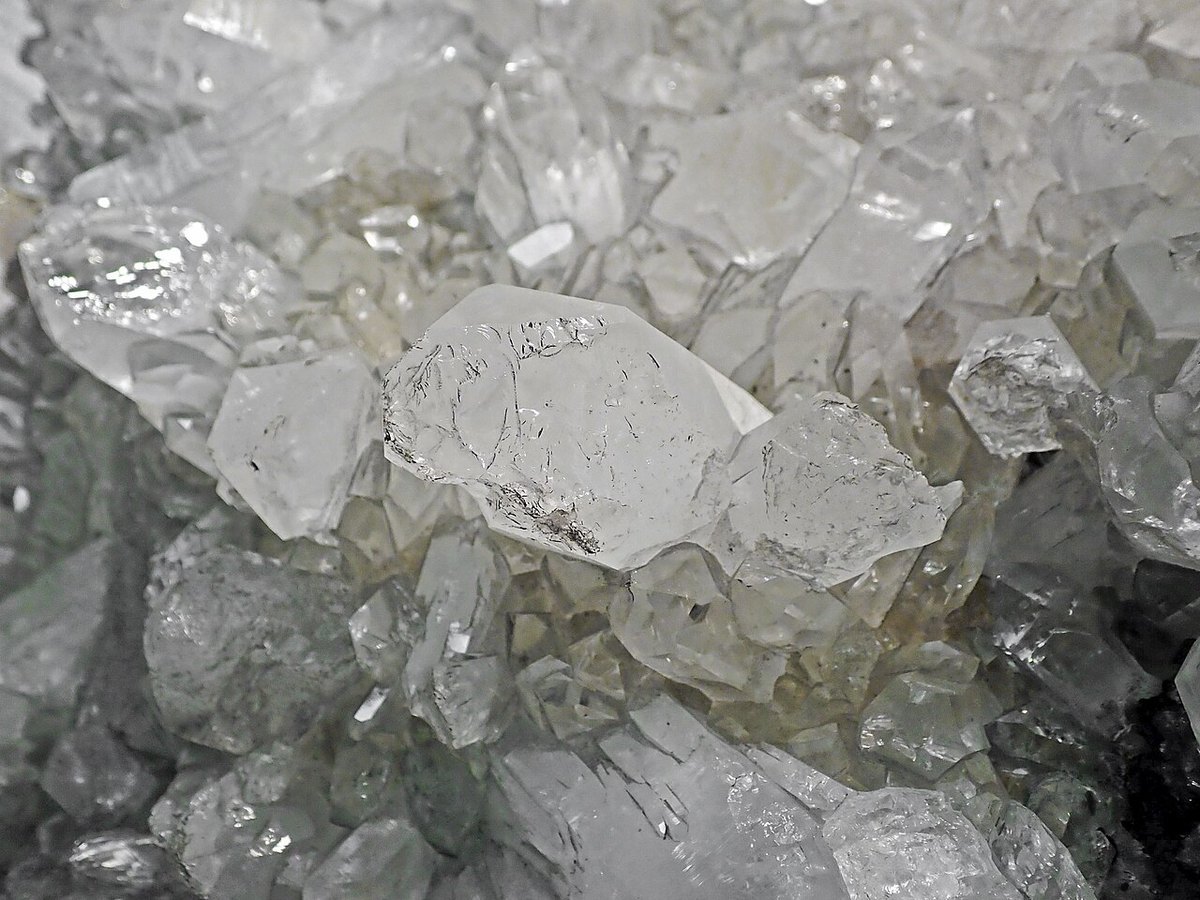


Where Brazilian Agate Is Found

