Cat’s Eye Tourmaline
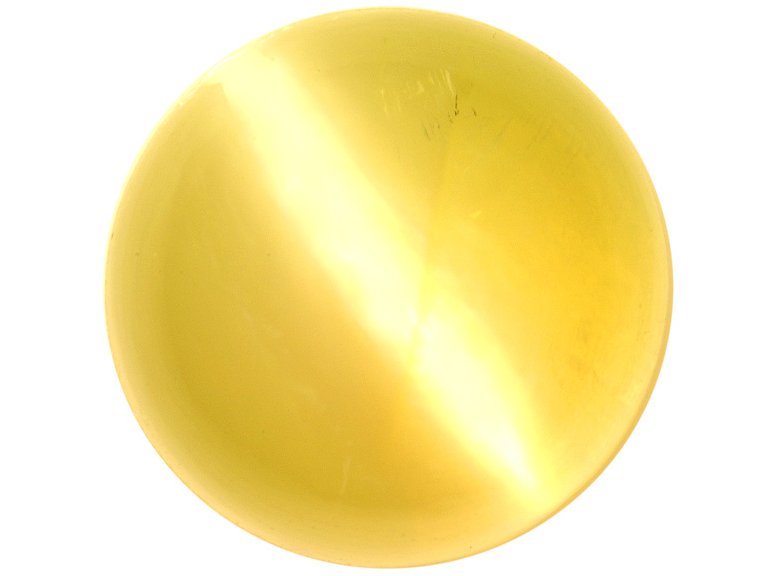
Vivid tourmaline displaying a sharp silver eye - rare chatoyancy in one of the world's most colorful gem families
- Tourmaline has the broadest natural color range of any gem mineral - cat's eye specimens can be found in virtually any tourmaline color.
- Tourmaline is pyroelectric and piezoelectric: it generates a small electrical charge when heated or squeezed, which is detectable with a voltmeter.
- The name tourmaline comes from the Sinhalese word turamali, historically used in Sri Lanka for any gem of unknown or mixed origin.
- Pink cat's eye tourmaline (rubellite cat's eye) is among the rarest and most valuable cat's eye gem varieties after chrysoberyl.
- The hollow tubes that create chatoyancy in tourmaline are the same feature that gem miners historically used to identify the crystal growth axis.
- Chatoyant gem collectors seeking a durable cat's eye option
- Tourmaline enthusiasts expanding into optical phenomena
- Collectors wanting vivid color combined with chatoyancy
- Heart or root chakra work depending on stone color
- Investment-grade unusual gems at moderate price points
- Buyers expecting chrysoberyl-quality eye sharpness (choose chrysoberyl for the best eye)
- Those wanting everyday affordable chatoyancy (try tiger's eye)
- Buyers on strict budgets (choose cat's eye apatite for lower cost)
What Is Cat’s Eye Tourmaline?
Cat's Eye Tourmaline is a variety of the tourmaline group displaying chatoyancy - the band of reflected light also called the cat's eye effect. It results from densely packed parallel tubular inclusions or hollow channels running along tourmaline crystals, which when cut as cabochons focus reflected light into a sharp mobile band.
Tourmaline's broad color range means cat's eye specimens occur in green, pink, red, blue, yellow, and multicolor varieties. Green cat's eye tourmaline is the most common; pink and rare bicolor specimens are particularly prized by collectors. The combination of naturally vivid colors with a crisp chatoyant eye is visually spectacular.
Cat's eye tourmaline is considerably rarer than faceted tourmaline because chatoyant-quality material requires specific inclusion density and orientation. It commands significant premiums over non-chatoyant tourmaline of equivalent color, making it a specialist collector's and investment gem.
How Cat's Eye Tourmaline Compares
| Property | Cat's Eye Tourmaline | Cat's Eye Chrysoberyl | Cat's Eye Apatite |
|---|---|---|---|
| Hardness | 7 - 7.5 | 8.5 | 5 |
| Price/ct | $ Budget | $$ Mid-range | $ Budget |
| Color Range | Full spectrum | Yellow-green-gray | Green, yellow, blue |
| Best For | Color variety + eye | Benchmark sharpness | Affordable vivid green |
Meaning and Symbolism
Cat's Eye Tourmaline combines tourmaline's traditional properties of protection and energy transformation with the cat's eye's universal symbolism of sharp perception and psychic protection. Practitioners believe it creates a powerful shield that simultaneously keeps the bearer's inner vision clear and deflects external negative energies.
The specific metaphysical associations of cat's eye tourmaline vary by color: green specimens carry heart chakra associations of growth and compassion, while pink varieties are linked to love and emotional healing. All share the cat's eye's traditional role as a watcher - seeing what others cannot and protecting what matters.
In many crystal traditions, tourmaline is associated with pyroelectric properties - it generates a small electrical charge under pressure or temperature change - and this physical quality is interpreted metaphysically as the stone's ability to generate its own protective field rather than passively reflecting external energy.
Historical Timeline
Healing Tradition
Emotional
Cat's eye tourmaline is traditionally associated with emotional protection and the ability to maintain clear energetic boundaries in emotionally charged environments. Practitioners believe it combines tourmaline's protective properties with the cat's eye's sharp perceptual focus, helping the bearer identify the emotional source of situations quickly and accurately.
Green cat's eye tourmaline specifically is said to support emotional resilience and the heart's ability to remain open while staying appropriately boundaried. Crystal healers sometimes recommend it for empaths or people in helping professions who need to care deeply without being depleted.
Spiritual
Spiritually, cat's eye tourmaline is thought to amplify tourmaline's traditional ability to transmute dense or negative energy into higher vibrations. The cat's eye quality adds a quality of focused spiritual perception - seeing spiritual dynamics clearly rather than being influenced by surface appearances.
Practitioners describe it as excellent for those in spiritual leadership roles, where perceiving the energetic truth of a situation quickly is essential. Some traditions link tourmaline's electrical properties to the body's own bioelectric field, suggesting cat's eye tourmaline helps regulate and protect the personal energy field.
Physical
Cat's eye tourmaline inherits tourmaline's traditional associations with the nervous system, spinal health, and electromagnetic sensitivity in crystal healing frameworks. Practitioners sometimes suggest it for people experiencing chronic tension patterns or nervous system dysregulation, describing it as a stone that supports physical and energetic resilience simultaneously.
The specific color of the tourmaline influences physical associations - green varieties are linked to heart and immune system support. These are traditional and metaphysical associations only.
Zodiac, Birthstone and Gifts
Libra, which seeks balance and clear perception in relationships, is thought to benefit from cat's eye tourmaline's sharp discernment combined with heart chakra support. Scorpio's deep perceptual nature and comfort with mystery resonate with the cat's eye's hidden-light symbolism and tourmaline's protective transformation energy.
Both signs are said to find this stone amplifies their natural abilities to see beneath surfaces while maintaining emotional resilience.
Care and Cleansing
Cat's eye tourmaline can be cleaned with lukewarm water and mild soap - its 7 to 7.5 Mohs hardness makes it one of the more care-tolerant cat's eye gems available. Moonlight or sunlight cleansing (brief sun exposure) is appropriate; tourmaline's energy clears readily under both lunar and solar light.
Sound cleansing with a singing bowl is always effective; the vibration is considered particularly aligned with tourmaline's natural piezoelectric properties.
- DO store cat's eye tourmaline away from harder stones (topaz, corundum, diamond) that could scratch its 7 to 7.5 Mohs surface.
- DO NOT use ultrasonic cleaners if the stone shows any surface cracks or liquid inclusions - vibration can propagate fractures.
- DO NOT expose to sudden temperature extremes as thermal shock can affect tourmaline structural integrity.
- NOTE that the chatoyant inclusions are a natural feature and cannot be removed - inspect before purchase as heavy inclusions outside the eye zone may affect appearance.
- DO NOT use harsh chemical solvents or strong acidic cleaners that could affect the stone's polish.
Real vs Fake
Genuine cat's eye tourmaline shows a mobile chatoyant band under a single point light source; the eye must move clearly as the stone is tilted. Tourmaline's RI of 1.614 to 1.666 and strong birefringence distinguish it from glass and most imitations under refractometer testing.
Under magnification, genuine cat's eye tourmaline shows characteristic hollow tubes or growth channels running parallel along the crystal axis. Color in genuine tourmaline shows subtle pleochroism (color change when viewed from different angles) which is absent in glass imitations.
Request gemological testing for significant purchases: RI, SG measurement, and microscopic examination confirm tourmaline species and natural chatoyancy.
Cat’s Eye Tourmaline Jewelry & Gifts
Cat's eye tourmaline is a specialist gem with prices ranging from $30 to $500 per carat depending on color vibrancy, eye sharpness, and color variety.
Eye quality is the primary value factor: look for a sharp, bright, well-centered band that moves cleanly across the dome; a weak or off-center eye significantly reduces value.
Color vibrancy matters greatly: vivid, saturated green, pink, or rare bicolor specimens command the highest premiums; dull or brownish specimens are significantly less desirable. Paraiba-type cat's eye tourmaline would be extraordinarily rare; most blue-green cat's eye material is green tourmaline rather than confirmed Paraiba-type.
Buy from dealers who can confirm species as tourmaline and provide origin information; a gemological certificate is advisable for premium specimens.
Where to Buy Cat’s Eye Tourmaline
Affiliate disclosure: Some links below earn us a small commission at no extra cost to you. See our affiliate disclosure page.
Handmade, raw, and tumbled pieces from independent sellers worldwide.
Shop Cat’s Eye Tourmaline on Etsy →Accessories, tools, and specimen sets with fast Prime delivery.
Shop Cat’s Eye Tourmaline on Amazon →Certified loose gemstones graded and photographed for online buyers.
Shop Cat’s Eye Tourmaline on GemSelect →Pairs Well With



Where Cat’s Eye Tourmaline Is Found


