
Cats Eye
A chatoyant gem with a moving line of light that follows your gaze, cats eye (chrysoberyl) is the Vedic Ketu stone of hidden insight.
- Cats eye chrysoberyl is related to alexandrite; both are varieties of the same mineral.
- The milk-and-honey effect refers to the way a top-grade cats eye shows milky white on one side of the chatoyant line and honey gold on the other.
- Sri Lanka's Ratnapura gravels have produced cats eye continuously for over two thousand years.
- Cats eye chrysoberyl is harder than most colored gemstones, with only diamond, ruby, sapphire, and alexandrite surpassing it.
- In Vedic astrology, cats eye is worn on the ring finger to strengthen Ketu-related qualities of intuition and detachment.
- Vedic astrology followers wearing lehsunia for Ketu planetary work
- Collectors of chatoyant gems and optical phenomena
- Buyers seeking a durable daily-wear cabochon with striking optical effect
- Practitioners working with solar plexus confidence and protective insight
- Gift givers shopping for meaningful high-end heirloom jewelry
- Budget shoppers (cats eye chrysoberyl is expensive; consider tigers eye)
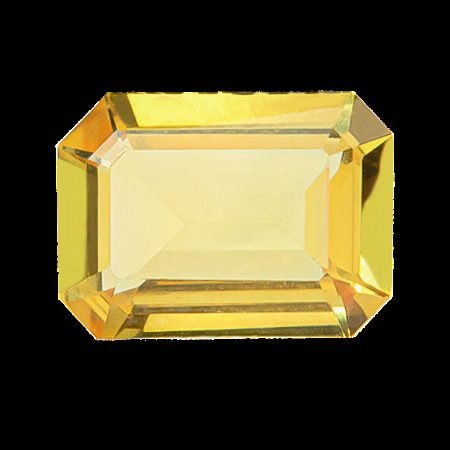
- Those wanting a transparent faceted stone (try peridot or citrine)
- Buyers without gemological training (synthetic and imitation cats eye is common)
What Is Cats Eye?
Cats eye, properly known as cymophane or chatoyant chrysoberyl, is a rare variety of the mineral chrysoberyl that displays a sharp, mobile line of light across a polished cabochon. It rates 8.5 on the Mohs hardness scale.
The optical effect is called chatoyancy, and in chrysoberyl it is particularly pronounced and clean, producing what gem graders describe as the milk-and-honey effect when the stone is held in a single light source: half the stone appears pale milky, the other half golden honey, separated by a sharp bright line.
At Mohs 8.5, cats eye is one of the hardest gems on the market, surpassed only by diamond, ruby, sapphire, and alexandrite (alexandrite is actually the color-change variety of chrysoberyl). Cats eye's durability and scratch resistance make it excellent for daily-wear rings.
The best cats eye chrysoberyl comes from Sri Lanka, where alluvial gravels have produced golden, honey, and apple-green stones for over two thousand years. Brazil, India, Myanmar, Tanzania, and Madagascar all produce cats eye in smaller quantities.
When gem dealers say cats eye without qualification, they typically mean chrysoberyl. Chatoyant effects also occur in tigers eye quartz, tourmaline, apatite, and several other species, but these should always be qualified by species name to avoid confusion with the more valuable chrysoberyl.
How Cats Eye Compares
| Property | Cats Eye Chrysoberyl | Cats Eye Apatite | Tigers Eye Quartz |
|---|---|---|---|
| Hardness | 8.5 | 5 | 7 |
| Price / carat | $$$ Premium | $$ Mid-range | $ Budget |
| Rarity | Rare | Uncommon | Common |
| Best For | Vedic rings, heirloom | Pendants, collectors | Beads, tumbled |
Meaning and Symbolism
Cats eye chrysoberyl has been valued across many cultures, but its strongest historical association is with Sri Lankan and Indian tradition.
Sri Lankan cats eye appears in historical Sinhalese royal regalia and was traded along the Indian Ocean networks since at least the first century. Ancient Chinese merchants prized it alongside jade for what they believed were protective qualities against the evil eye.
In Vedic astrology, cats eye chrysoberyl (lehsunia) is the primary planetary gemstone for Ketu, the south lunar node. Ketu is associated with detachment, spiritual liberation, hidden knowledge, and unexpected shifts in fortune.
Vedic practitioners prescribe cats eye to people whose birth charts indicate difficulty with Ketu's qualities, and the stone is typically set in a silver or mixed-metal ring worn on the ring finger of the dominant hand.
In crystal healing tradition, cats eye is associated with protection, intuitive insight, and sudden good fortune. Practitioners describe it as an ally during periods of transition when the path forward is unclear.
Its reputation is more specific than general heart or solar-plexus stones; it is used for particular protective or spiritual-insight work rather than for broad emotional support. It pairs naturally with moonstone (Rahu, the opposite lunar node) in Vedic planetary-gem sets and with alexandrite as its color-change chrysoberyl cousin.
Historical Timeline
Healing Tradition
Emotional
Practitioners believe cats eye supports emotional clarity during uncertain or transitional periods. In crystal healing tradition, it is often recommended for people navigating sudden life changes, unexpected news, or major transitions where the outcome is unclear.
Many readers wear cats eye during specific life pivots and describe the stone as a visual anchor of intuitive confidence.
Practitioners pair cats eye with clear quartz for amplified intuition or with black tourmaline when protective grounding is needed alongside insight. Because its reputation is oriented toward specific protective and intuitive work rather than broad emotional support, practitioners often describe cats eye as a stone for particular seasons rather than continuous wear.
Vedic practitioners specifically wear cats eye after astrological consultation and following prescribed rituals for initial use, including cleansing in milk and charging with mantras.
Spiritual
Cats eye is traditionally associated with the solar plexus and crown chakras in Western crystal tradition, with Vedic tradition emphasizing its connection to the crown and higher intuitive centers. In Vedic astrology, lehsunia is the stone of Ketu, the south lunar node associated with spiritual liberation, hidden knowledge, and sudden shifts.
Many readers keep a cats eye on a meditation altar during periods of deep spiritual seeking or major life transitions, and Vedic practitioners wear the stone continuously when prescribed for Ketu-related birth-chart issues.
It pairs readily with moonstone (Rahu, the opposite node) and other Vedic planetary stones for comprehensive astrological work. Practitioners describe cats eye as a specific-use stone rather than a general-purpose crystal, which is why it is typically worn for defined periods rather than as a daily companion.
Physical
Practitioners believe cats eye supports what they describe as overall vitality and protection from unexpected physical disruptions. Vedic tradition links cats eye with relief from Ketu-related difficulties, which practitioners describe as sudden unexplained conditions or unusual life patterns.
In modern crystal healing practice, cats eye is most often worn as a ring or pendant during specific transition periods.
Many readers and Vedic practitioners describe the stone as a background presence rather than an active-session tool. It is not a substitute for medical care, and practitioners frame its role as supportive alongside proper treatment.
Because cats eye is extremely hard and chemically stable, it is one of the most durable daily-wear gems available and can be worn continuously without special care beyond routine cleaning.
Zodiac, Birthstone and Gifts
Cats eye is strongly associated with Leo in Western astrology because of the sign's sun-like warmth and its affinity with golden-honey gems. For Capricorn, cats eye is recommended as a supporting stone for disciplined navigation of major life transitions.
In Vedic astrology, cats eye is prescribed based on the position of Ketu in the birth chart rather than on sun sign alone.
Traditional Vedic wear requires consultation with a qualified Jyotishi, setting the stone in silver or mixed metal, and initial cleansing in cow's milk on a Saturday or the day Ketu rules in a specific tradition.
Although cats eye is not on the US birthstone list, it is sometimes given as a high-end gift for significant life milestones.
Care and Cleansing
Cats eye is one of the easiest stones to maintain because of its Mohs 8.5 hardness and chemical stability. Warm soapy water and a soft brush are safe for most stones, and this is the recommended routine cleansing method.
Ultrasonic and steam cleaners are generally safe for untreated cats eye, although they should be used carefully for stones with visible inclusions. Moonlight cleansing is a traditional method. Smoke cleansing with sage, palo santo, or cedar is effective. Sound cleansing with a singing bowl is also safe.
Saltwater soaks are safe for the stone itself but may corrode metal settings on jewelry and should be limited.
Vedic first-wear cleansing traditionally uses panchamrita (a mixture of milk, yogurt, ghee, honey, and sugar) or simpler cow's milk and clean water. The stone is dried thoroughly and worn on a prescribed day after mantra charging.
For ongoing maintenance, Vedic practitioners typically cleanse the stone weekly or monthly with simple water rinses and light mantra practice. Many modern practitioners cleanse cats eye at major astrological transits or life transitions rather than on a fixed schedule.
- DO rinse cats eye jewelry in warm soapy water and dry with a soft cloth.
- DO NOT use ultrasonic cleaners on included or fractured stones.
- DO ask about origin documentation for significant purchases (Sri Lanka carries a premium).
- DO store cats eye separately from softer gems to prevent scratches to those stones.
- DO follow Vedic first-wear rituals if prescribed by a Jyotishi.
- DO preserve laboratory reports and purchase documentation with the piece.
- Note: synthetic cats eye chrysoberyl is sometimes sold; a lab report is the best confirmation of natural origin.
Real vs Fake
Genuine cats eye chrysoberyl shows a sharp, mobile line of light that moves cleanly across the cabochon when the stone is rotated under a single light source. The line is thin, well-defined, and centered on the curve of the cabochon. Diffuse, blurry, or off-center chatoyancy may indicate imitation or poor-quality material.
Common imitations include synthetic chrysoberyl (chemically identical but requires lab identification), synthetic corundum with artificial chatoyancy, fiber-optic glass (the cheapest imitation, common in costume jewelry), and natural cats eye of other species (quartz, apatite, tourmaline).
Other-species cats eye should always be labeled with the mineral species name because it is significantly less valuable than cats eye chrysoberyl. A basic hardness test helps. Cats eye chrysoberyl at Mohs 8.5 scratches glass and most imitations. Fiber-optic glass is much softer.
Synthetic chrysoberyl has the same hardness as natural material, however, so hardness testing cannot separate them. A refractometer test confirms chrysoberyl (RI around 1.744-1.755) versus other species.
For any significant cats eye purchase, a laboratory report from GIA, Mindat, and USGS, or a Sri Lankan gemological institute is essential. The lab confirms species (chrysoberyl), identifies treatments (typically none for cats eye), and may specify origin (Sri Lanka, Brazil, India). Sri Lankan origin commands a significant premium.
Cats Eye Jewelry & Gifts
Cats eye chrysoberyl is a premium gem with prices ranging from $300 per carat for small, pale, or off-centered stones to over $5,000 per carat for top Sri Lankan honey-gold material with sharp chatoyancy and fine milk-and-honey effect.
Standard 1-2 carat cats eye in jewelry-set quality typically runs $500 to $1,500 per carat. Larger 3-5 carat stones with clean color and sharp chatoyancy reach $2,000 to $4,000 per carat. Museum-grade specimens in yellow-green to apple-green colors can exceed $8,000 per carat at auction.
The main buying variables are quality of chatoyancy (sharp, centered, mobile), color (honey gold is classical, apple green is premium), size (cleanly chatoyant 3+ carat stones are rare), and origin (Sri Lankan material commands a premium over Brazilian or Indian).
Treatment is uncommon in the cats eye market because the chatoyancy is a natural structural property that cannot be significantly enhanced.
When buying, examine chatoyancy under a single light source and rotate the stone to confirm the line moves smoothly and stays centered. For purchases over $1,000 per carat, insist on a laboratory report confirming natural chrysoberyl origin.
Vedic-tradition buyers should consult a Jyotishi for prescription and buy from dealers experienced with planetary-gem quality.
Where to Buy Cats Eye
Affiliate disclosure: Some links below earn us a small commission at no extra cost to you. See our affiliate disclosure page.
Handmade, raw, and tumbled pieces from independent sellers worldwide.
Shop Cats Eye on Etsy →Accessories, tools, and specimen sets with fast Prime delivery.
Shop Cats Eye on Amazon →Certified loose gemstones graded and photographed for online buyers.
Shop Cats Eye on GemSelect →Pairs Well With




Where Cats Eye Is Found


