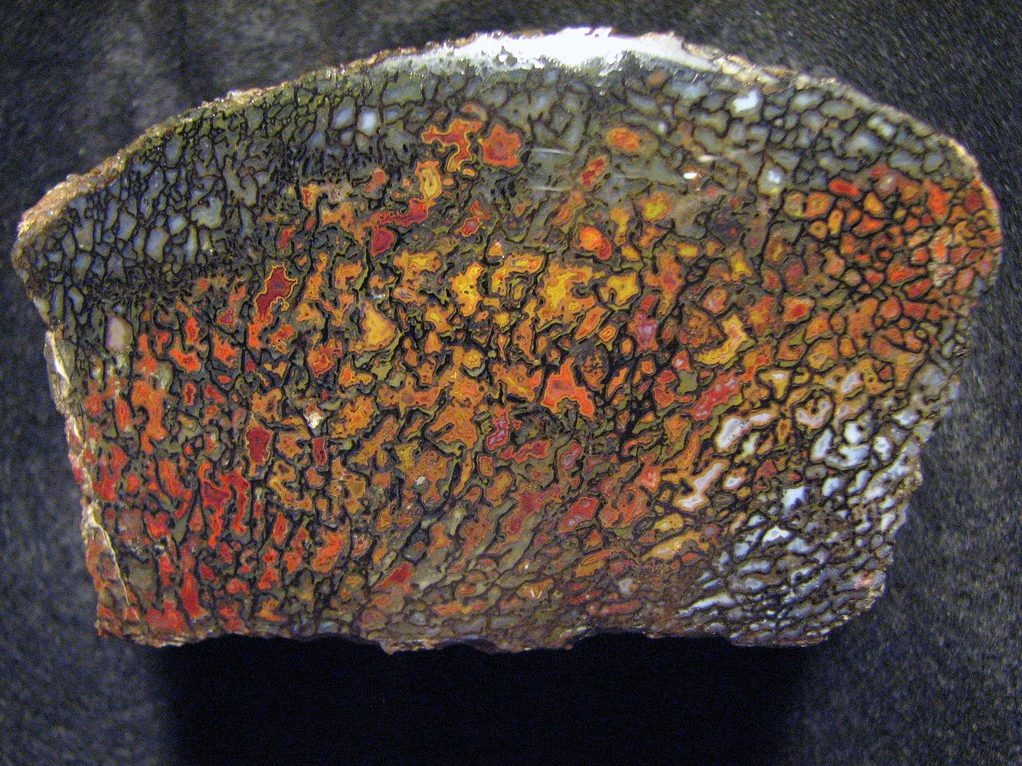
Dinosaur Bone Gem
Fossilized dinosaur bone where cells were replaced by colorful agate over 150 million years.
- The cell walls in gembone preserve the actual Haversian canal system - the same microscopic bone anatomy found in living mammals today.
- Gembone colors are determined by trace minerals that entered the cells during fossilization: iron oxides for red/orange, manganese for black/purple.
- It is illegal to collect dinosaur bone from US national parks and most federal land - legitimate gembone always comes from private claims.
- Some of the most valuable gembone specimens show 5 or more distinct colors in a single polished surface.
- The Morrison Formation, source of most gembone, also produced Stegosaurus, Brachiosaurus, and Allosaurus specimens in the same geological beds.
- Collectors seeking genuinely rare American gemstones with scientific provenance
- Paleontology enthusiasts who want wearable prehistoric material
- Premium gift for someone who has everything - truly unique
- Jewelry designers seeking one-of-a-kind statement cabochons
- Spiritual practitioners drawn to deep-time grounding and ancestral energy
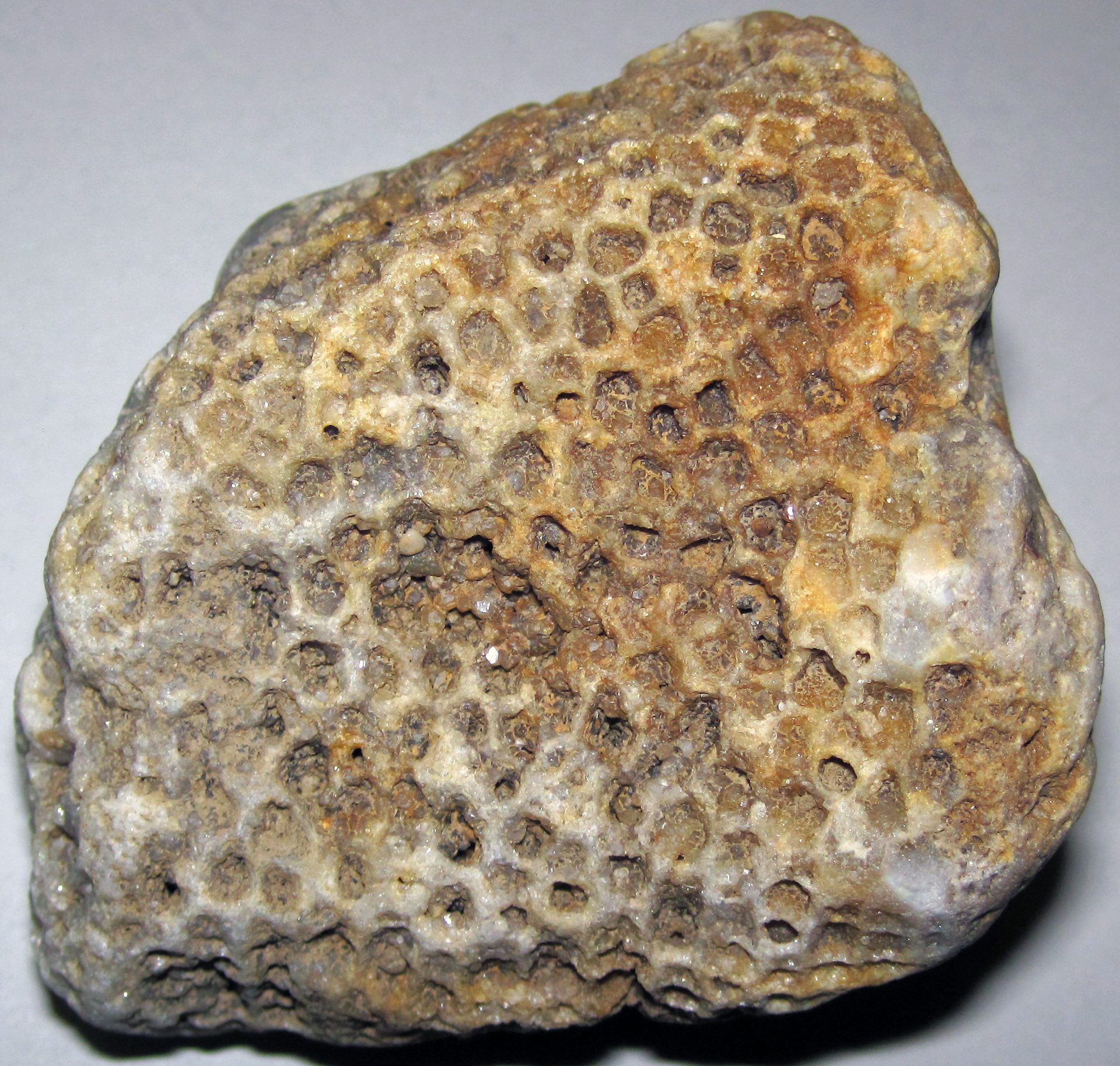
- Budget shoppers - quality gembone is expensive; consider fossil coral for similar themes at lower cost
- Those seeking consistent color - each piece is unique and unpredictable
- Buyers without provenance documentation - gembone from reputable quarries only
What Is Dinosaur Bone Gem?
Gembone is the trade name for *agatized dinosaur bone*, fossilized remains of Late Jurassic dinosaurs where the original bone cells have been replaced by colorful chalcedony or agate over approximately 150 million years. It rates 6.5 - 7 on the Mohs hardness scale.
The cellular structure of the bone - Haversian canals, osteocyte lacunae, and trabecular architecture - is preserved in extraordinary detail, visible as the geometric cell pattern that makes gembone visually distinctive.
The silica replacement process began as mineral-rich groundwater percolated through the Morrison Formation of Colorado, Utah, and Wyoming during the Cretaceous period. Iron oxides, manganese. Other trace minerals entered the cells as they filled with silica, producing the reds, oranges, yellows, browns, and occasional greens that give quality gembone its vibrant palette.
The highest-grade material approaches true agate quality in color saturation and contrast.
Commercial material comes almost exclusively from private land claims in the Colorado Plateau region. Legally collected gembone requires proper fossil permits and originates from specific quarries, not national park or protected federal land. Hardness reaches 6.5-7 on the Mohs scale, making it suitable for most jewelry applications.
Each piece is genuinely unique - no two cells, no two slabs, no two cabochons are identical.
How Gembone Compares
| Property | Gembone | Fossil Coral | Petrified Wood |
|---|---|---|---|
| Hardness | 6.5 - 7 | 6.5 - 7 | 6.5 - 7 |
| Price / carat | $ Budget | $ Budget | $ Budget |
| Rarity | Rare, US-only | Common, worldwide | Common, worldwide |
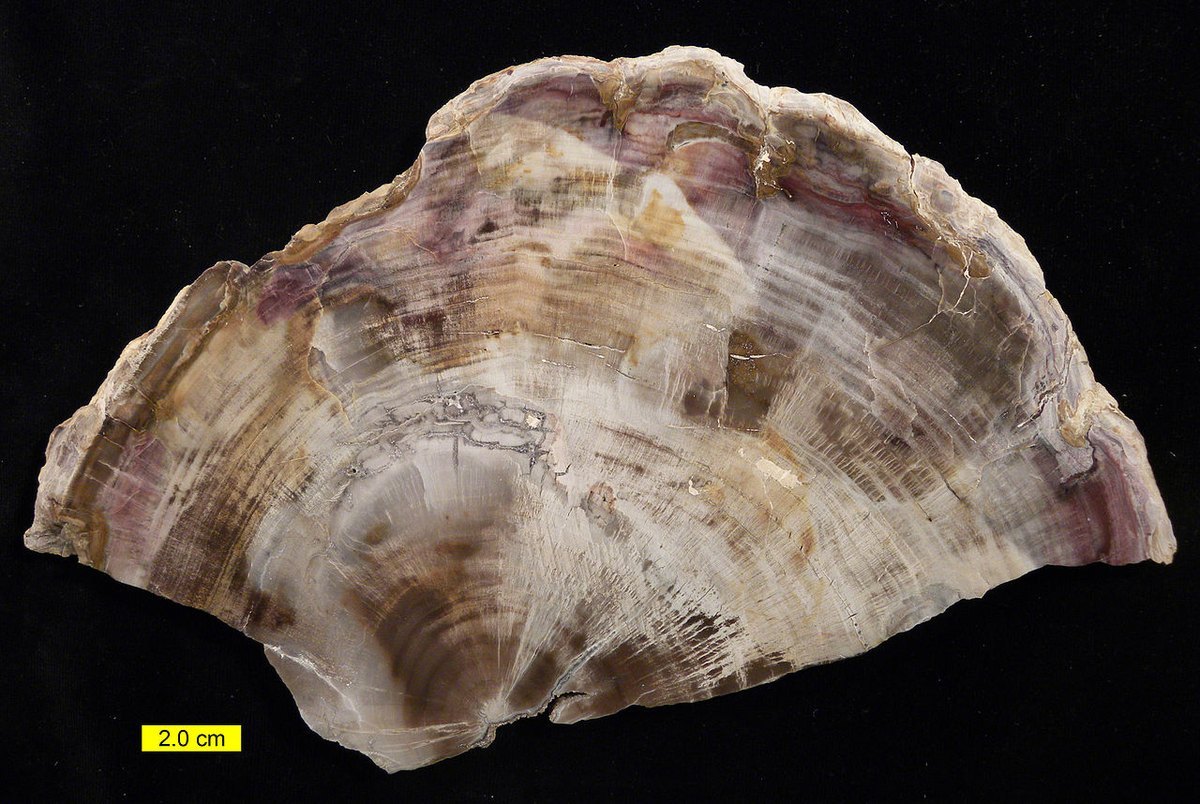
| Pattern | Bone cells | Coral polyps | Wood grain |
Meaning and Symbolism
Gembone is one of the most literally ancient objects a person can hold. Practitioners believe that carrying material from creatures that walked the Earth 150 million years ago creates a profound connection to deep time and the continuity of life.
The stone is said to dissolve the illusion that human problems are cosmically significant, offering radical perspective through geological scale.
In crystal healing tradition, gembone is associated with primal vitality, ancestral strength, and the transformation of endings into new beginnings. The fact that bone - the most intimate material of a living creature - became beautiful stone over millions of years is seen as a powerful symbol of resurrection and transmutation.
For practitioners who work with past-life themes or ancestral healing, gembone carries a specific gravitas that no artificially created stone can replicate. The cellular patterns preserved within it are real biological structures, real evidence of life that existed before humans.
Many find that meditating with gembone produces an unusually powerful sense of humility and interconnection.
Historical Timeline
Healing Tradition
Emotional
Practitioners believe gembone offers one of the most powerful perspective shifts available in crystal work. Holding material from a creature that lived 150 million years ago is said to dissolve anxiety about temporal concerns by placing them in geological context.
Many find that gembone quiets the internal critic and replaces urgency with patience. In crystal healing tradition, it is associated with releasing fear of endings and trusting the continuity of life force beyond individual forms.
Spiritual
In crystal healing tradition, gembone is considered a bridge between the human and the prehistoric, connecting practitioners to primal life force that predates human consciousness. It is said to activate the root chakra with unusual depth, anchoring spiritual work in the most ancient layers of Earth's biological history.
Practitioners who use it for past-life regression describe a quality of vastness in their meditative experience. The solar plexus association relates to personal power drawn from ancestral strength.
Physical
Crystal healing practitioners often use gembone to support vitality and physical endurance, drawing on its symbolic association with bone strength and structural integrity. It is said to be particularly useful during recovery from physical exhaustion or illness, where the symbolism of ancient resilience may offer psychological support.
The stone is traditionally placed on the lower spine or sacrum during grounding bodywork. Crystal practices complement rather than replace professional medical care.
Zodiac, Birthstone and Gifts
Gembone resonates most strongly with Capricorn and Scorpio in crystal astrology. Capricorn's affinity for legacy, longevity, and structural integrity aligns naturally with a stone formed over 150 million years. Scorpio's comfort with death, transformation, and what lies beneath the surface connects to gembone's literal transformation from living bone to eternal stone.
Practitioners working with either sign often use gembone in ritual work focused on legacy, ancestral themes, or profound personal transformation.
Care and Cleansing
Gembone is agatized silica and is fully water-safe, salt-safe, and sun-stable. Standard cleansing methods all work without restriction. Rinse under running water, dry with a soft cloth, and recharge in sunlight or on a selenite plate.
Moonlight is the most commonly recommended cleansing method among practitioners, particularly during a full moon, to honor the stone's connection to deep time and natural cycles. Leave it outdoors or on a windowsill overnight.
Sound cleansing with a singing bowl or bells is excellent for gembone displayed as a collection piece that you prefer not to move frequently. The vibration reaches all surfaces without requiring physical handling.
- DO NOT use abrasive pads or harsh chemicals - the polished surface can be scratched by materials harder than Mohs 7.
- DO store separately from corundum, topaz, or diamonds which can scratch the surface.
- NOTE: No water or salt restrictions - gembone is fully agatized and durable.
- DO request provenance documentation from sellers - legally collected gembone from private claims only.
- DO NOT expose to sudden thermal shock (e.g., boiling water) which can cause fracture in any chalcedony material.
- NOTE: Colors in gembone are stable and permanent - no fading with sunlight or cleaning.
Real vs Fake
Genuine gembone shows actual bone cell architecture under magnification - Haversian canals, lacunae, and irregular cell boundaries characteristic of vertebrate bone. The pattern is organic and irregular, not the regular geometric arrays seen in coral or the growth rings of wood.
Polished surfaces should show the vitreous luster of agate in the cell interiors with a matte to waxy tone in the bone matrix.
Resin replicas and painted stones are occasionally sold as gembone, particularly at low price points. Test by weight - genuine agatized bone is dense (SG 2.60-2.70) and cold to the touch. Press a thumbnail firmly into the surface - genuine agate does not yield, while plastic does.
Provenance is the most important authenticator. Reputable gembone dealers can identify the quarry claim and approximate bone type (limb bone, vertebra, rib) of each piece. Material sold without any provenance at suspiciously low prices should be scrutinized carefully. US gem shows and specialist fossil dealers are the most reliable sources.
Dinosaur Bone Gem Jewelry & Gifts
Gembone is priced by color quality, pattern distinctiveness, and size. Tumbled pieces with moderate color start around $20-40. Quality cabochons for jewelry range from $50 to $300 or more per piece. Exceptional large display slabs with vivid multi-color patterns can reach $500-2,000.
The material is genuinely rare and these prices reflect real scarcity.
Look for high color saturation (deep reds, oranges, and yellows), good contrast between cell interiors and matrix, and crisp cell definition. Material from specific Colorado and Utah quarries known for gem-grade output is preferred by serious collectors.
All gembone is natural - no treatments are applied. The colors are mineral deposits from the fossilization process and do not fade. Always request provenance (quarry location, collector permit if applicable) from any dealer selling significant pieces.
Where to Buy Dinosaur Bone Gem
Affiliate disclosure: Some links below earn us a small commission at no extra cost to you. See our affiliate disclosure page.
Handmade, raw, and tumbled pieces from independent sellers worldwide.
Shop Dinosaur Bone Gem on Etsy →Accessories, tools, and specimen sets with fast Prime delivery.
Shop Dinosaur Bone Gem on Amazon →Certified loose gemstones graded and photographed for online buyers.
Shop Dinosaur Bone Gem on GemSelect →Pairs Well With



Where Dinosaur Bone Gem Is Found


