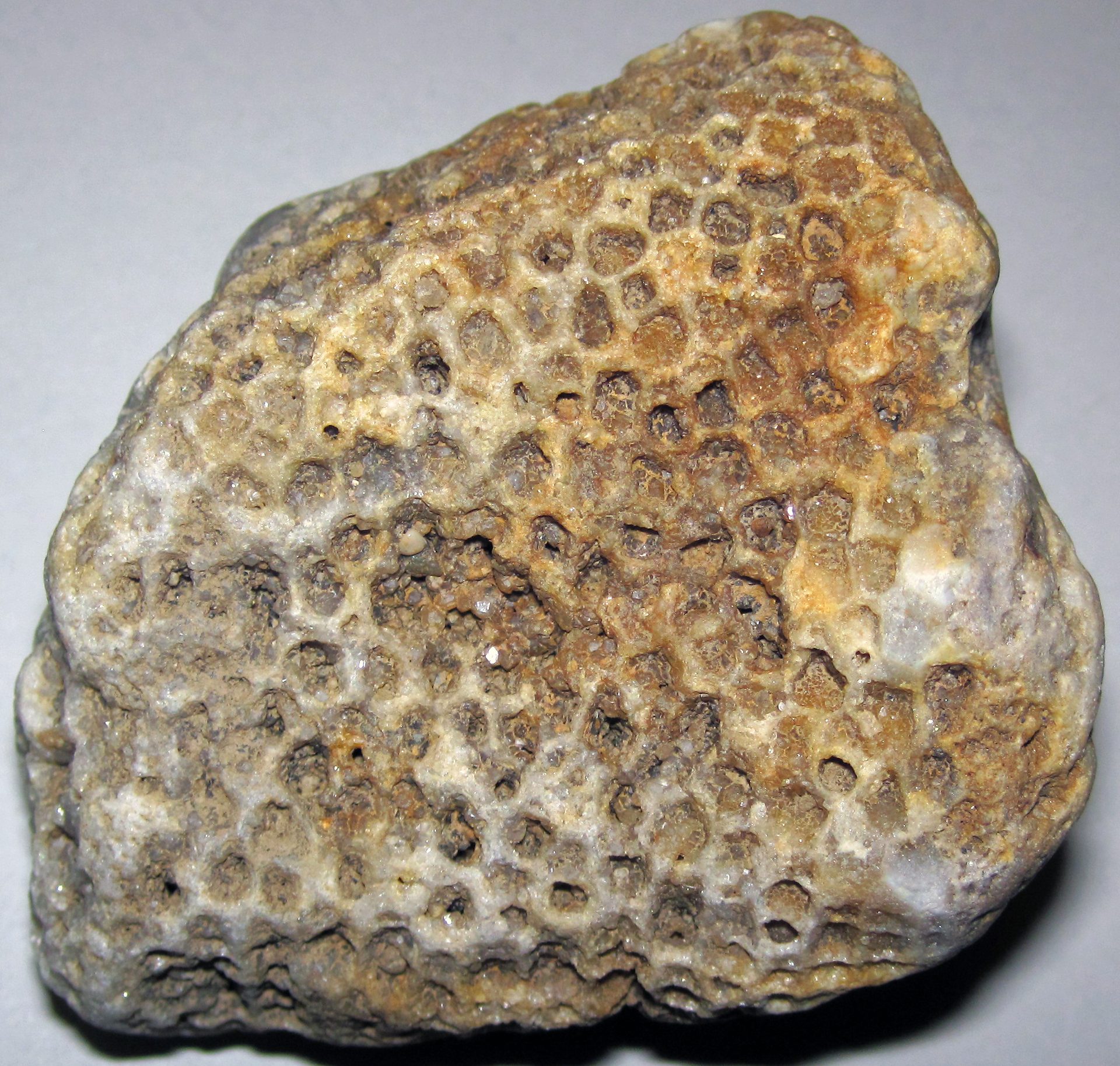
Fossil Coral
Million-year-old coral colonies preserved in chalcedony, each cross-section revealing a geometric record of ancient ocean life
- Florida's official state stone is agatized coral - one of only a handful of US states with a fossil as its gem.
- The hexagonal polyp chambers preserved in fossil coral can be as small as 1 mm in diameter.
- Agatization can preserve coral structure so precisely that paleontologists use polished sections to identify extinct species.
- Some fossil coral specimens still show original growth banding that records seasonal changes in ancient ocean temperature.
- The oldest commercially available fossil coral specimens are approximately 400 million years old - predating dinosaurs by 175 million years.
- Collectors who love paleontology-meets-gemstone crossover pieces
- Practitioners seeking grounding stones with a connection to deep time
- Gift for a science or nature lover at any price point
- Desk or shelf display piece with natural geometric patterns
- Jewelry settings - hardness 6.5-7 suits rings and pendants
- Those seeking vivid color - most fossil coral is subdued gray/tan; try agatized coral in Florida for more color
- Buyers expecting rarity - fossil coral is commercially abundant and inexpensive
- Chakra purists who require living mineral energy - some practitioners consider fossilized material differently
What Is Fossil Coral?
Fossil coral is the result of *agatization*, a process where silica-rich groundwater slowly replaces the original calcium carbonate of coral skeletons over millions of years. The replacement preserves the coral's internal architecture in extraordinary detail, including the hexagonal or circular polyp chambers visible on polished cross-sections.
The resulting material has the hardness of chalcedony (Mohs 6.5-7) rather than the softness of original coral calcite.
The oldest specimens can be 400 million years old, dating to the Devonian Period when coral reefs covered vast areas of what is now North America. Florida's state stone is agatized coral, sourced from Oligocene and Miocene beds 20-30 million years old.
Indonesian and Moroccan deposits produce large slabs used for tabletops and decorative tiles, while American material tends toward gem-quality cabochons.
Colors range from gray and tan to cream and brown, occasionally showing orange or red tones where iron oxide infiltrated during replacement. The most visually striking specimens show crisp honeycomb or starburst polyp patterns in contrasting tones.
No two slabs are identical, since coral colony growth patterns varied by species, age, and ocean chemistry.
How Fossil Coral Compares
| Property | Fossil Coral | Petrified Wood | Ammonite |
|---|---|---|---|
| Hardness | 6.5 - 7 | 6.5 - 7 | 3.5 - 4 |
| Price / piece | $ Budget | $ Budget | $ Budget |
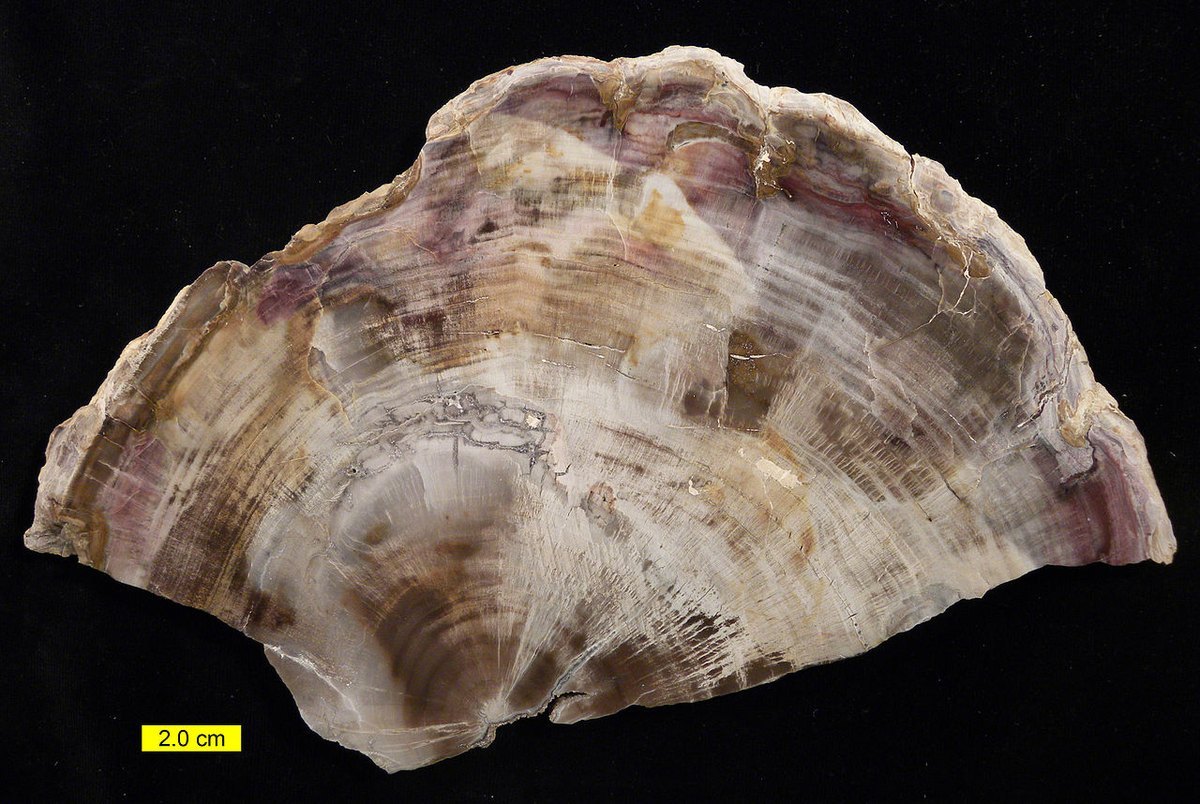
| Pattern | Hexagonal polyps | Wood rings/grain | Spiral chambers |
| Age range | 20 - 400 Ma | 35 - 250 Ma | 66 - 400 Ma |
Meaning and Symbolism
Fossil coral carries the record of ancient oceans in every polished surface. Practitioners believe it connects the holder to deep ancestral time, encouraging perspective on personal struggles by placing them against the backdrop of geological epochs. The stone is traditionally associated with patience, wisdom, and the cyclical nature of life and death.
In crystal healing tradition, fossil coral is said to support the transformation of grief into wisdom, mirroring the natural process by which living coral becomes durable stone. Many find it helpful during periods of mourning or major endings, offering a reminder that endings are part of a longer cycle.
It has long been used in grounding rituals that invoke the stability of deep time.
The geometric patterns within fossil coral - those precise hexagons and starbursts - are seen in many traditions as sacred geometry made visible by nature. Some practitioners use it as a meditation focus for activating the third eye, treating the pattern as a naturally occurring mandala that draws the gaze inward.
Historical Timeline
Healing Tradition
Emotional
Practitioners believe fossil coral is a stabilizing stone that helps calm anxiety rooted in impermanence. The stone is said to encourage acceptance of change by reminding the holder that all things transform over time.
Many find it useful during life transitions - career changes, relationship endings, or major relocations - where the fear of loss is strongest. In crystal healing tradition, fossil coral is associated with releasing attachment to outcomes while remaining engaged with present experience.
Spiritual
In crystal healing tradition, fossil coral is said to bridge the living and ancestral realms, making it a popular choice for ancestor work and past-life meditation.
Practitioners place it on the root chakra to deepen grounding before journeying inward, believing the stone's age anchors the consciousness safely in the physical body.
The preserved geometric patterns are said to act as natural portals for third eye activation. Many spiritual practitioners keep fossil coral on altars dedicated to honoring cycles of death and rebirth.
Physical
Fossil coral is said to support the skeletal system and circulatory health in crystal healing tradition, attributed to its association with ancient marine organisms that built calcium structures. Practitioners often place it near the base of the spine during bodywork sessions aimed at releasing tension in the lower back and hips.
It has long been used in grounding practices intended to reduce restlessness and support more regular sleep patterns. Crystal work complements but does not replace professional medical care.
Zodiac, Birthstone and Gifts
Fossil coral is associated with Virgo and Capricorn in crystal astrology - the two earth signs most drawn to precision, legacy, and practical wisdom. Virgo's attention to detail resonates with the stone's intricate preserved patterns, while Capricorn's patient ambition aligns with the millions of years the stone required to form.
Practitioners working with either sign often use fossil coral in grounding rituals during Saturn transits, when themes of structure, time, and legacy are strongest.
Care and Cleansing
Fossil coral is one of the most cleanse-friendly stones in any collection. Its agatized silica composition makes it fully water-safe, salt-safe, and sun-stable. Rinse under cool running water for 30 seconds, then dry with a soft cloth.
Moonlight overnight and sunlight for brief periods (under 2 hours) both work well. Selenite charging plates are an excellent no-effort option. Smudging with sage or palo santo is equally effective.
Sound cleansing with a singing bowl or tuning fork is recommended if you want to avoid moving the stone from its display position. Set the bowl nearby and let the vibration do the work.
- DO NOT use abrasive cleaners or wire brushes - the polyp surface detail can be scratched on delicate specimens.
- DO store away from harder stones like topaz, corundum, or diamonds if surface finish is a priority.
- NOTE: Fossil coral is fully water and salt safe - no restrictions on wet cleansing methods.
- DO check that specimens sold as 'fossil coral' are actually agatized - non-agatized coral calcite is softer (Mohs 3) and less durable.
- DO NOT drop onto hard surfaces - agatized chalcedony is hard but brittle and can chip at thin polyp edges.
Real vs Fake
Genuine agatized fossil coral shows natural variation in polyp size, spacing, and color across the specimen. The chalcedony replacement typically has a waxy to vitreous luster on polished surfaces, and the stone is cold to the touch.
A genuine specimen will be distinctly heavier than plastic replicas and will not scratch easily with a steel knife.
Non-agatized coral (still in calcite form) is sometimes sold alongside agatized material. The key difference is hardness: calcite coral scratches easily with a steel file, while agatized coral does not. Calcite coral also often shows a more chalky or dull surface compared to the glassy sheen of chalcedony.
Dyed specimens are occasionally encountered, typically gray or tan material dyed to produce vivid blue or pink colors not natural to fossil coral. Dye tends to concentrate in surface cracks and fade unevenly over time. Untreated fossil coral in subdued natural tones is far more common and far more authentic.
Fossil Coral Jewelry & Gifts
Fossil coral is widely available and generally affordable. Tumbled pieces start around $3-8, polished palm stones run $10-30, and quality cabochons for jewelry are typically $15-60 depending on pattern clarity and size. Large decorative slabs can range from $50 to several hundred dollars for coffee-table specimens.
The most valuable pieces show crisp, well-defined polyp patterns with good color contrast between the replaced silica and the matrix. Indonesian material often produces large pieces with bold patterns; Florida agatized coral is prized by American collectors for provenance and tends to show more color variation.
No treatments are required or expected on fossil coral. The agatization process is entirely natural and geological. Waxing or oiling may be applied by some dealers to enhance surface luster on rough material, but this is cosmetic only.
Where to Buy Fossil Coral
Affiliate disclosure: Some links below earn us a small commission at no extra cost to you. See our affiliate disclosure page.
Handmade, raw, and tumbled pieces from independent sellers worldwide.
Shop Fossil Coral on Etsy →Accessories, tools, and specimen sets with fast Prime delivery.
Shop Fossil Coral on Amazon →Certified loose gemstones graded and photographed for online buyers.
Shop Fossil Coral on GemSelect →Pairs Well With


Where Fossil Coral Is Found


