
Gem Silica
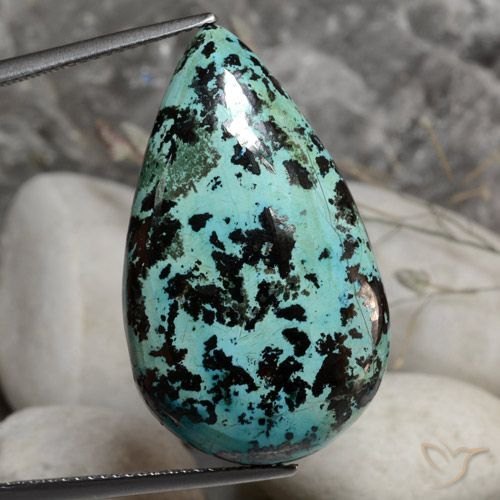
The rarest and most valuable variety of chrysocolla, gem silica glows with an electric blue-green that rivals paraiba tourmaline -.
- Gem silica can be more valuable per carat than fine emerald when color saturation is exceptional.
- The electric blue color is created by copper ions trapped inside a chalcedony silica network - essentially copper jewelry made by geology.
- Most chrysocolla is too soft to cut into jewelry; gem silica is the rare version hard enough to survive decades of wear.
- Taiwan has produced some of the finest gem silica on record, often with higher transparency than Arizona material.
- The Inspiration Mine in Arizona is considered the benchmark locality for top-color gem silica worldwide.
- Serious gem collectors seeking one of the world's rarest blue-green stones
- Throat and heart chakra practitioners who want a premium copper-mineral crystal
- Jewelry designers seeking vivid electric blue that stands apart from turquoise
- Anyone drawn to paraiba tourmaline colors but open to alternative gems
- Arizona geology enthusiasts wanting a piece from the state's most famous copper mines
- Budget-conscious buyers - gem silica is priced in the hundreds per carat; try chrysocolla instead
- Buyers wanting a widely recognized gem name - gem silica requires explaining to most recipients
- Daily-wear jewelry users who won't take care of a soft copper mineral piece
What Is Gem Silica?
Gem silica is the gemstone-quality form of chrysocolla, distinguished from ordinary chrysocolla by the presence of fine-grained silica (chalcedony) that fills and reinforces the porous copper mineral structure. This silicification raises the Mohs hardness from chrysocolla's typical 2-4 up to 6-7, making it durable enough for cabochon cutting and jewelry use.
The vivid electric blue-green color results from copper ions bound within a silica matrix, producing a saturation that gemologists compare to fine paraiba tourmaline.
The mineral formula combines chrysocolla's copper silicate chemistry with chalcedony's silicon dioxide. The most prized material is translucent to near-transparent, glowing from within under light.
Arizona's Inspiration Mine and Globe-Miami district are the benchmark sources, though notable material has also come from Taiwan (via the Hualien area) and some South American copper deposits.
Gem silica is cut almost exclusively as cabochons, since the material is amorphous and does not produce facet-friendly transparency. Top-quality pieces can fetch $100-300 per carat wholesale - comparable to fine emerald - making it one of the most valuable cryptocrystalline gems by weight.
It remains largely unknown outside specialist circles, which makes well-documented pieces a genuine discovery for collectors.
How Gem Silica Compares
| Property | Gem Silica | Chrysocolla | Turquoise |
|---|---|---|---|
| Hardness | 6 - 7 | 2 - 4 | 5 - 6 |
| Price / carat | $$ Mid-range | $ Budget | $ Budget |
| Color intensity | Electric blue-green | Muted blue-green | Blue to green |
| Best For | Collectors, fine jewelry | Healing, affordable jewelry | Everyday jewelry |
Meaning and Symbolism
Gem silica shares chrysocolla's cultural lineage as a copper mineral associated with communication, wisdom, and feminine power across ancient civilizations. Ancient Egyptians prized blue-green copper stones as symbols of fertility and renewal; in Mesoamerican cultures, blue-green stones represented water and sky deities.
Gem silica carries these associations while adding the metaphor of silica - the element that builds clarity into crystalline structures.
In modern crystal healing tradition, gem silica is considered a 'perfected' version of chrysocolla - one that has undergone a natural transformation process, becoming more resilient and more luminous. Many practitioners believe this transformation quality resonates with personal growth: the movement from vulnerability to strength without losing sensitivity.
The electric blue color is consistently linked to clarity of voice and mind.
For collectors, gem silica represents the hidden depths of familiar mineral families. It rewards those willing to look beyond the famous names and discover that extraordinary things emerge from ordinary copper deposits when geological conditions align perfectly.
Historical Timeline
Healing Tradition
Emotional
Gem silica is said by practitioners to carry chrysocolla's emotionally opening qualities in a more grounded, durable form. Many find it supportive during periods when emotional expression has been suppressed or when someone is rebuilding confidence after difficult interpersonal experiences.
The electric blue color is traditionally linked to clarity - the ability to see one's own emotional landscape without the distortion of fear or old patterns. Practitioners often recommend it for those who know what they feel but struggle to put it into words.
Spiritual
In crystal healing tradition, gem silica is considered a stone of 'earned wisdom' - reflecting the natural process by which soft, vulnerable chrysocolla becomes reinforced into something more resilient. Practitioners believe it supports spiritual growth that honors both sensitivity and strength.
It is said to activate the throat chakra in a way that feels steady rather than overwhelming, making it particularly valued for those beginning to speak their truth more openly. Many use it during voice or song meditation practices.
Physical
Crystal healing tradition associates copper-bearing stones like gem silica with the throat, thyroid, and circulatory system. Practitioners believe it may support vocal health and clear breathing, though these associations are metaphysical in nature and not medical claims. Some find its cool, smooth surface soothing when held during moments of tension or anxiety.
All crystal work should complement, never replace, qualified medical attention.
Zodiac, Birthstone and Gifts
Gemini - ruled by Mercury and associated with communication, dual perspectives, and intellectual agility - resonates deeply with gem silica's throat chakra emphasis. The stone's transformation from soft chrysocolla into resilient gem material mirrors Gemini's ability to hold apparent opposites together: vulnerability and confidence, sensitivity and clarity.
Virgo's analytical nature finds in gem silica a stone that rewards careful observation - each specimen's unique color gradient reveals itself only under patient attention.
Care and Cleansing
Gem silica can tolerate brief water contact but should not be soaked. A quick rinse under cool running water followed by immediate gentle drying is acceptable occasionally. Avoid prolonged immersion - the copper mineral beneath the silica casing can still be affected by extended moisture exposure.
Smoke cleansing with sage or cedar is both effective and completely safe for gem silica. Sound cleansing with a singing bowl or tuning fork works equally well and is recommended for valuable specimens where any surface risk is unacceptable.
Moonlight charging is a gentle and popular option - set the stone on a windowsill on the full moon overnight. Avoid prolonged direct sun exposure, which can fade the vibrant blue-green hue over months of repeated exposure.
- DO NOT soak in water or salt water - prolonged moisture can affect the underlying copper mineral.
- DO NOT expose to perfume, hairspray, or chemicals - apply beauty products before putting on jewelry.
- DO NOT store with harder gems without individual wrapping - despite Mohs 6-7, edges chip with impact.
- DO use protective jewelry settings - bezel or half-bezel recommended over prong settings.
- DO remove before vigorous physical activity, gardening, or sports.
- NOTE: Gem silica fades with extended direct sun - store away from windowsills after cleansing.
Real vs Fake
Genuine gem silica is distinguished from common chrysocolla by hardness and translucency. Real gem silica will not scratch with a copper coin (Mohs 6-7), while ordinary chrysocolla scratches easily. When held to light, quality gem silica shows at least some degree of translucency - a glowing quality that flat, opaque chrysocolla lacks.
Dyed chalcedony or dyed quartzite is sometimes sold as gem silica. These fakes are harder and more uniform in color than genuine material, lacking the organic variation in blue-green saturation that genuine copper-silica intergrowths produce. Under magnification, genuine gem silica often shows faint patterning from the chrysocolla matrix.
Price is a strong authenticity signal. Gem silica below $30-50 per carat for anything approaching quality should be treated with suspicion. Request a Raman spectroscopy or FTIR report for expensive purchases - these non-destructive tests confirm chrysocolla-silica composition and are standard practice among reputable gem dealers.
Gem Silica Jewelry & Gifts
Gem silica is graded primarily on color intensity and translucency. The most valuable material is electric blue with near-transparent depth; pale or murky specimens sell for a fraction of top-grade pricing. Expect $80-200 per carat for quality pieces from reputable dealers, with exceptional material reaching $300 or more.
Arizona origin commands a premium - particularly material labeled as coming from the Inspiration or Miami-area mines. Taiwanese gem silica runs slightly lower in price but can match Arizona quality in color. Ask for locality documentation from any dealer selling high-priced pieces.
For jewelry use, request pre-cut cabochons from dealers who specialize in collector gems. Few mainstream jewelry suppliers carry genuine gem silica. Rough material is also available for lapidaries; cutting reveals color depth that rough specimens often hide under surface weathering.
Where to Buy Gem Silica
Affiliate disclosure: Some links below earn us a small commission at no extra cost to you. See our affiliate disclosure page.
Handmade, raw, and tumbled pieces from independent sellers worldwide.
Shop Gem Silica on Etsy →Accessories, tools, and specimen sets with fast Prime delivery.
Shop Gem Silica on Amazon →Certified loose gemstones graded and photographed for online buyers.
Shop Gem Silica on GemSelect →Pairs Well With


Where Gem Silica Is Found


