
Jet
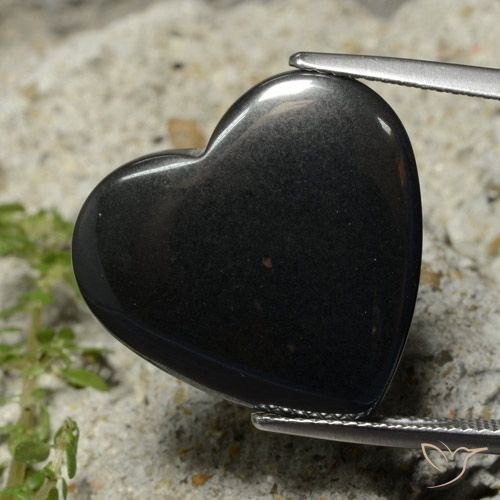
Formed from fossilized wood under ancient seabeds, jet is the warm-to-the-touch black gem of Victorian mourning and quiet protection.
- Real jet becomes warm to the touch quickly in the hand, while glass imitations stay cool.
- Rubbing jet on wool creates a faint static charge, the same property that inspired its Greek name relative, electron (amber).
- A single Whitby cliff fall in 1879 released an estimated ten tons of jet rough into the market.
- The word 'jet black' and the term 'jet' for a black color both come from the Latin name of this gemstone.
- Queen Victoria's strict mourning dress code helped make Whitby jet the most fashionable gem in 1860s Britain.
- Readers drawn to Victorian aesthetic and antique mourning jewelry
- Practitioners seeking a grounding black stone lighter than onyx or obsidian
- Gift givers shopping for Gothic, Romantic, or heritage-style pieces
- Collectors who appreciate organic gems like amber, pearl, and coral
- Anyone wanting a stone traditionally associated with grief support and calm
- Buyers seeking a daily-wear ring stone (consider black spinel or black diamond)
- Shoppers who need a hard, ultrasonic-safe gem (try onyx or hematite)
- Those looking for a faceted sparkle stone (try black spinel)
What Is Jet?
Jet is an organic gem formed from fossilized driftwood that sank into anaerobic marine mud during the Jurassic period, roughly 180 million years ago. It rates 2.5 - 4 on the Mohs hardness scale.
Under pressure and heat, the wood transformed into a dense, compact form of lignite coal that takes a high polish. Unlike coal, jet is consistent and fracture-free enough to be carved and worn.
At Mohs 2.5 to 4, it is softer than most gems, but its lightness makes long necklaces and oversized brooches surprisingly comfortable. Jet is roughly half the weight of onyx for the same volume.
The most famous deposit is the cliffs above Whitby in North Yorkshire, England, where jet has been mined and worked into jewelry since Bronze Age times. Spanish jet from Asturias and American jet from Utah, New Mexico, and Colorado round out the commercial sources.
A genuine piece is warm to the touch, rubs an olive-brown streak on unglazed porcelain, and develops a faint static charge when rubbed on wool. These simple tests help separate real jet from glass, plastic, or dyed black onyx imitations.
Some sellers market two grades: hard jet, formed in saltwater, which takes a mirror polish and resists cracking, and soft jet, formed in freshwater, which is more brittle and prone to fissures with age.
How Jet Compares
| Property | Jet | Onyx | Obsidian |
|---|---|---|---|
| Hardness | 2.5 - 4 | 6.5 - 7 | 5 - 5.5 |
| Price / carat | $ Budget | $ Budget | $ Budget |
| Origin | Fossil wood | Chalcedony quartz | Volcanic glass |
| Best For | Brooches, antique jewelry | Rings, beads | Protection pieces |
Meaning and Symbolism
Jet has been worn for grief and protection for at least four thousand years. Bronze Age British burials included jet beads and buttons, and Roman legionaries carried polished jet amulets called gagates to deflect harm.
The Latin name gives us our word jet and also the chemistry term jet black. Pliny the Elder wrote about jet's ability to produce smoke that drove away evil when heated.
Jet's association with mourning reached its peak during the Victorian era. After Prince Albert died in 1861, Queen Victoria wore Whitby jet for the rest of her life and the material became the only gem permitted at court during deep mourning.
Jet workshops in the Yorkshire town employed over 1,500 carvers at the trade's height, cutting rose brooches, lockets, cameos, and long chains of carved beads.
In crystal healing tradition, jet is considered a gentle grounding and absorbing stone rather than a deflecting one. Practitioners believe it helps a wearer process grief, release attachment, and recover after emotional shock.
It pairs naturally with amber as its twin organic gem and is often set alongside pearl in Romantic and Edwardian heritage jewelry.
Historical Timeline
Healing Tradition
Emotional
Practitioners believe jet is one of the gentlest grounding stones for acute grief and emotional shock. In crystal healing tradition, it is said to help a wearer sit with heavy feelings without being dragged under, which is why it has long been used in mourning jewelry across cultures.
Many find that tumbled jet placed in a pocket during a difficult week adds a quiet weight that feels steadying rather than suppressive. Practitioners often pair jet with rose quartz when the grief involves heartbreak, or with smoky quartz when anxiety is layered on top.
Because its reputation is absorbing rather than reflective, some readers cleanse jet more often than they would hematite or black tourmaline. Short moonlight rinses and a night on a selenite plate are the classic refresh methods.
Spiritual
Jet is traditionally associated with the root chakra and with protective work rather than expansive meditation. Practitioners describe it as an anchor stone that keeps subtle perception tied to the body during deep prayer or inner journeying.
In folklore across Britain, Spain, and parts of Native American tradition, jet was worn as a guardian against the evil eye and against what healers called soul leakage during mourning rituals.
Many readers carry a small piece of jet when visiting graves, hospitals, or other heavy spaces and describe it as a companion that absorbs rather than repels difficult energy.
Practitioners recommend pairing jet with amber to form the classic duality of absorbing and radiating organic gems, a combination used in northern European folk tradition for centuries.
Physical
Practitioners believe jet supports what they describe as nervous-system settling after shock or sustained grief. Classical and medieval physicians prescribed powdered jet for what they then called hysteria and melancholia, and folk tradition linked it with relief from stomach complaints.
In modern crystal healing practice, jet is most often placed on the lower torso or held in the dominant hand during sessions intended to support grounded rest.
Readers occasionally use a tumbled jet stone as a worry piece, describing the gentle warmth it develops as soothing during periods of exhaustion. It is not a substitute for medical care, and practitioners frame it as supportive alongside proper treatment.
Because jet is light and warm to the touch, it is often recommended for anyone who finds heavier grounding stones like hematite uncomfortable against the skin.
Zodiac, Birthstone and Gifts
Jet is often recommended for Capricorn because astrologers link the sign with Saturn, endurance, and the serious processing of loss. Practitioners describe jet as a natural ally for Capricorn's disciplined but sometimes over-burdened temperament.
For Scorpio, jet is said to support the sign's willingness to sit with transformation and shadow, pairing well with the sign's Pluto-ruled affinity for deep inner work.
Although jet has no official month on the US birthstone list, it is sometimes included in alternate lists for January and is traditionally worn as a memorial stone regardless of birth month.
Care and Cleansing
Jet prefers dry, gentle cleansing methods because of its softness and organic composition. Smoke cleansing with sage, cedar, or palo santo is the traditional favorite and carries no risk of damage.
Sound cleansing with a singing bowl or tuning fork is also safe, as is a short session of moonlight on a windowsill.
Salt, saltwater, and prolonged water soaks should all be avoided. Salt can dry and crack the surface, while water can lift or soften older sealants and work into hairline fissures.
A brief rinse under lukewarm running water followed by a soft-cloth dry is acceptable for occasional refresh, but daily water contact is not recommended.
Many readers place jet on a selenite plate overnight because selenite is considered self-cleansing and transfers no moisture or grit to the softer stone.
- DO NOT expose jet to ultrasonic or steam cleaners; the vibration cracks organic stones.
- DO store jet separately from harder stones to prevent surface scratches.
- DO NOT soak jet jewelry for long periods in water or salt water.
- DO use a dry cotton cloth to buff jet back to shine between wears.
- DO remove jet rings before housework, gardening, or hand sanitizer use.
- DO NOT use commercial jewelry cleaner, which can strip natural luster.
- Note: antique Victorian jet may be fragile; treat with extra care or conserve rather than wear.
Real vs Fake
Genuine jet is warm to the touch within seconds, feels surprisingly light for its size, and produces a faint static charge when rubbed on wool. A streak test on unglazed porcelain gives a warm olive-brown line, while glass and plastic imitations streak differently or not at all.
The most common imitations are black glass (which is cold, heavy, and may show mold seams), Bakelite and other early plastics, dyed black onyx, and French jet, which is a specific historical name for black glass mourning jewelry.
French jet is collectible in its own right and is often more available than true Whitby jet, but it is not the same material and should be priced accordingly.
Vulcanite and gutta-percha are two more Victorian-era imitations still found in antique markets. Vulcanite develops a brown patina with age and smells faintly of sulphur when warmed. Gutta-percha is lighter than jet and has a duller, more rubbery luster.
For valuable pieces or antiques, a gemological laboratory can confirm organic-carbon composition with infrared spectroscopy. For everyday purchases, the warmth, weight, streak, and static tests are usually sufficient.
Reputable sellers of Whitby jet typically disclose their source, and many pieces carry small provenance cards tied to specific cliff falls or workshop traditions.
Jet Jewelry & Gifts
Jet is one of the most approachable organic gems on the market. Tumbled pieces start at a few dollars, while antique Victorian brooches and carved cameos can reach several hundred to several thousand dollars depending on workmanship and provenance.
Modern Whitby jet cabochons typically run $15 to $80 per carat for clean material, and larger carved pieces are priced by the piece rather than per carat. Spanish and American jet sit at the lower end of this range, while documented antique Whitby commands a premium.
Treatments are uncommon, since jet takes a natural polish without dye, heat, or resin. Some commercial pieces are stabilized with a thin wax or shellac coating to protect the surface, and this should be disclosed.
When buying, look for an even matte-to-glossy finish without visible pit marks, check warmth and weight against a known reference, and ask about origin.
For antique Victorian pieces, buy from a dealer experienced in mourning jewelry who can differentiate Whitby jet from French jet and Bakelite imitations. Online marketplaces frequently mislabel black glass as jet.
Where to Buy Jet
Affiliate disclosure: Some links below earn us a small commission at no extra cost to you. See our affiliate disclosure page.
Handmade, raw, and tumbled pieces from independent sellers worldwide.
Shop Jet on Etsy →Accessories, tools, and specimen sets with fast Prime delivery.
Shop Jet on Amazon →Certified loose gemstones graded and photographed for online buyers.
Shop Jet on GemSelect →Pairs Well With



Where Jet Is Found


