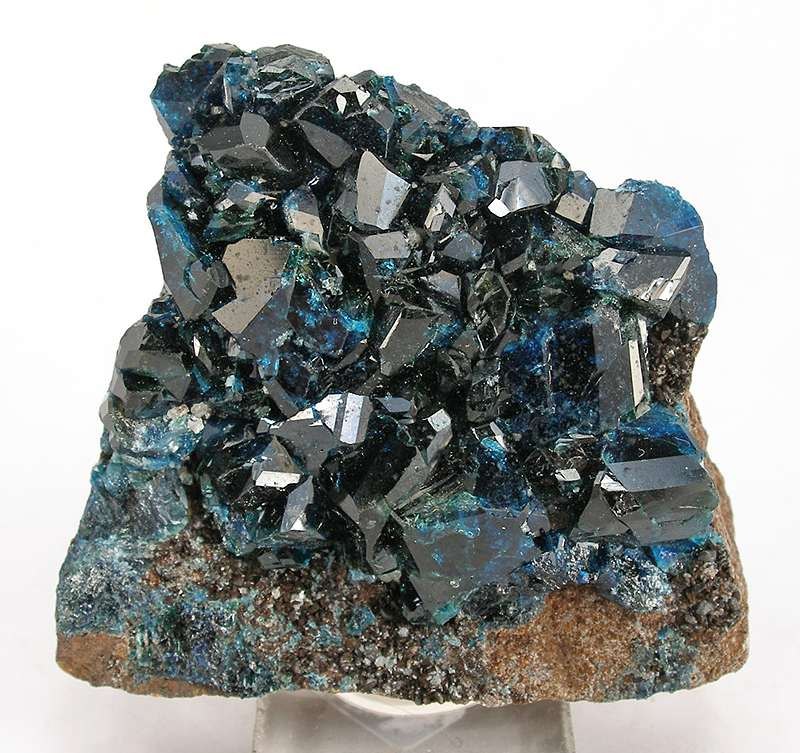
Lazulite
Deep azure and often mistaken for lapis, lazulite is the collector's phosphate cousin with quiet throat-chakra clarity.
- Lazulite's name comes from Arabic lazaward (blue sky), the same root that gave us lapis lazuli.
- Despite the shared name root, lazulite and lapis lazuli are entirely different minerals.
- Rapid Creek in the Yukon produces the world's finest transparent lazulite crystals.
- Lazulite shows strong pleochroism - rotating the crystal shifts color from deep blue to colorless.
- Chemically, lazulite is a magnesium iron aluminum phosphate, not a silicate like most gem minerals.
- Mineral collectors drawn to rare phosphate mineralogy
- Throat chakra practitioners wanting an uncommon blue alternative
- Readers interested in Canadian Yukon collector specimens
- Advanced crystal workers distinguishing phosphate from lapis lazuli
- Altar-makers seeking a quiet, less-mainstream deep blue stone
- Buyers looking for the pyrite-speckled look of lapis (choose true lapis lazuli)
- Daily-wear engagement shoppers (try blue sapphire or tanzanite)
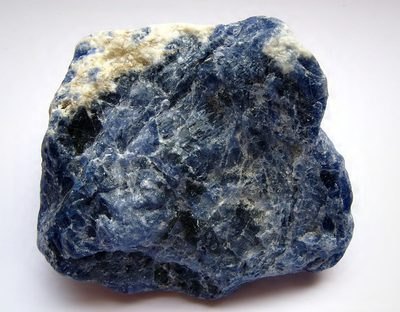
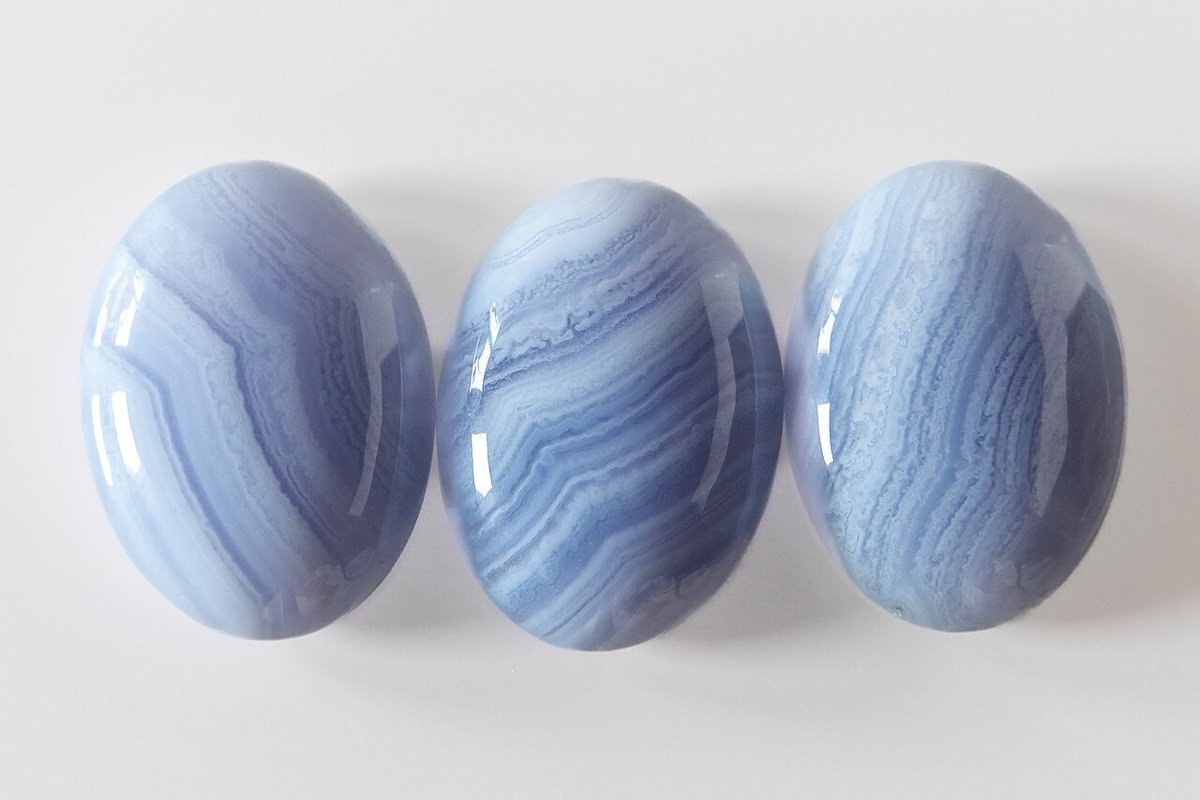
- Beginners wanting widely available blues (try sodalite or blue lace agate)
What Is Lazulite?
Lazulite is a rare magnesium iron aluminum phosphate mineral with formula MgAl2(PO4)2(OH)2. The name derives from the Arabic lazaward, meaning blue sky, the same root that gave us lapis lazuli - an entirely different mineral that shares the etymology but not the mineralogy. It rates 5.5 - 6 on the Mohs hardness scale.
Confusion between lazulite and lapis is common; the two are chemically and structurally distinct.
Lazulite crystallizes in the monoclinic system and typically forms pyramidal or tabular crystals in deep azure blue, sky blue, or greenish-blue color. Color comes from iron chemistry in the phosphate structure. The mineral was formally described in 1795 from the Graves Mountain locality in Georgia, USA.
The stone scores Mohs 5.5 to 6, placing it in the moderate-hardness range. Its pleochroism (strong color shift between deep blue and colorless to pale green when rotated) is a distinguishing optical feature.
Most lazulite is kept as mineral specimens because the best crystal forms are relatively small and the stone is not common enough to dominate lapidary trade. Cabochons and occasional faceted stones appear in the specialist collector market.
Primary sources include the Yukon Territory (Rapid Creek) in Canada, which produces the finest-known transparent crystals, as well as Graves Mountain (Georgia, USA), Brazil, Madagascar, and Austria (the type locality at Styria).
How Lazulite Compares
| Property | Lazulite | Lapis Lazuli | Sodalite |
|---|---|---|---|
| Hardness | 5.5 - 6 | 5 - 6 | 5.5 - 6 |
| Chemistry | Phosphate | Silicate (lazurite) | Silicate |
| Price / stone | $ Budget | $ Budget | $ Budget |
| Best For | Collector specimens | Classic heirloom blue | Accessible throat chakra |
Meaning and Symbolism
Lazulite was formally described in 1795 by German mineralogist Martin Klaproth, working with material from Styria in Austria. Because the name derived from the Arabic word for blue sky, confusion with lapis lazuli has persisted ever since despite the minerals being completely unrelated in chemistry.
The Rapid Creek locality in Canada's Yukon Territory emerged in the 20th century as the source of the world's finest transparent gem-quality lazulite, with sharp sky-blue pyramidal crystals that remain exceptional elsewhere.
In crystal healing tradition, lazulite is associated with the throat chakra and the third-eye chakra. Practitioners describe the deep azure color as a symbol of clear communication rooted in inner knowing, and the stone is often recommended for writers, teachers, and contemplative practitioners.
Because lazulite is uncommon in mainstream crystal shops, its healing tradition is narrower than lapis lazuli's but increasingly active among specialist crystal workers. Many readers who own lazulite treat it as a quiet collector-grade companion for meditation practice rather than a daily-carry stone.
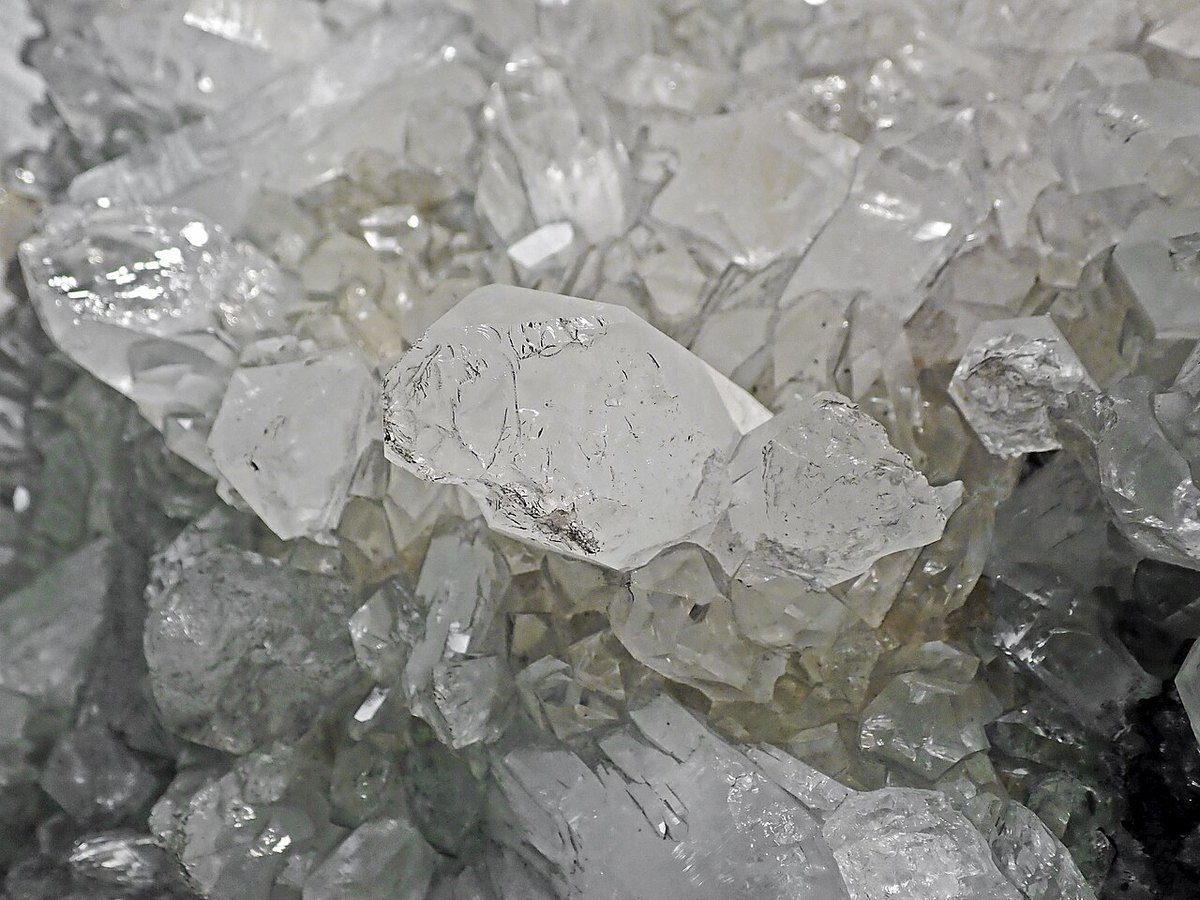
Crystal workers often pair lazulite with lapis lazuli for layered blue throat-chakra work or with amethyst for crown-to-throat integration in reflective writing practice.
Historical Timeline
Healing Tradition
Emotional
Practitioners believe lazulite supports grounded communication and patient articulation. Crystal healing tradition associates the deep azure color with thoughtful speech rather than reactive expression, and the stone is often recommended for readers working on careful writing or difficult conversations.
Many readers keep lazulite near journals during reflective writing sessions, with the stone framed as a quiet reminder of considered articulation. Crystal workers sometimes suggest it for people rebuilding trust in their own voice after periods of silence.
Crystal workers often pair lazulite with amethyst for crown-to-throat integration or with rose quartz for tender communication work. Because lazulite is less mainstream than other blue stones, it tends to be reserved for serious practice rather than casual use.
Spiritual
In crystal healing tradition, lazulite is linked with the throat chakra and secondarily with the third-eye chakra. Practitioners describe the stone's strong pleochroism as a symbol of multi-perspective clarity, said to support seeing issues from several angles before speaking.
Many readers use lazulite during meditation focused on honest articulation, patient inner listening, and the careful work of matching words to meaning. The stone has a relatively short folkloric tradition because of its rarity, with contemporary practitioners shaping its meaning through practice.
Crystal workers often place lazulite at the throat during lying-down meditation or position it near writing desks during long creative projects. The Yukon origin of the finest specimens connects the stone symbolically with cold-clear-sky clarity in some traditions.
Physical
Practitioners believe lazulite supports what they describe as calm vocal energy and steady breathing during speaking or singing practice. Crystal healing tradition associates blue throat-chakra stones generally with symbolic voice support, though the stone is not a substitute for medical care.
Many readers wear lazulite as pendant-style jewelry at throat level during public speaking, presentations, and recording sessions. Crystal workers sometimes recommend it during voice-recovery practices treating the stone as a patient companion rather than active intervention.
Because lazulite is relatively rare, most practical healing use involves specimen placement on altars or brief meditation rather than constant wear. The stone is considered appropriate for reflective practices and careful speech rituals more than high-energy work.
Zodiac, Birthstone and Gifts
Lazulite is not a traditional birthstone, but astrologers often recommend it for Sagittarius (for truthful teaching), Aquarius (for clear articulation of ideas), and Pisces (for considered expression of intuitive insight).
The stone is associated symbolically with Jupiter through its association with honest teaching, and with Saturn through the patient articulation it is said to support. Many readers use lazulite during Mercury retrograde phases because of the communication associations.
Care and Cleansing
Lazulite tolerates most standard cleaning methods. Warm soapy water with a soft brush is safe for physical cleaning. Ultrasonic and steam cleaners should be used with caution because of the monoclinic crystal system and potential internal fractures in specimens.
Moonlight charging is widely recommended, especially during the full moon. Morning sunlight is safe in moderation though prolonged UV exposure should be avoided. Smoke cleansing with palo santo or sage is an excellent option.
Dry salt cleansing is fine briefly; saltwater soaks should be avoided because of phosphate mineralogy sensitivity to dissolution over time. Many practitioners cleanse lazulite by placing it on a bed of clear quartz or selenite overnight, a method considered especially suited to the stone's rarity and collector value.
- DO clean lazulite with warm soapy water and a soft brush for gentle maintenance.
- DO NOT use ultrasonic or steam cleaners on lazulite with visible fractures.
- DO store lazulite in individual padded compartments to protect crystal edges.
- DO NOT expose lazulite to prolonged saltwater soaks or acidic solutions.
- DO use bezel settings for any pendant wear to protect the stone's edges.
- DO verify provenance with reputable mineral dealers for premium specimens.
- Note: lazulite is sometimes confused with lapis lazuli; they are different minerals.
Real vs Fake
Genuine lazulite shows distinctive pleochroism (color shifts from deep blue to colorless or pale green when rotated), a refractive index of 1.603 to 1.642, and specific gravity of 3.12 to 3.24. Under 10x magnification, natural lazulite often shows monoclinic crystal form and characteristic internal growth features.
The phosphate chemistry can be confirmed through non-destructive spectroscopy in a laboratory setting.
Common misidentifications include lapis lazuli (a completely different silicate rock with pyrite inclusions), sodalite (a feldspathoid silicate), and blue dyed howlite. Lapis lazuli shows characteristic pyrite specks and calcite veining that lazulite lacks. Sodalite typically shows white vein patterning. Dyed howlite shows color concentration in pits and fractures rather than integrated coloration.
Practical at-home checks include testing pleochroism by rotating the stone under polarized light (lazulite shows clear color shift), examining hardness (lazulite scratches a steel knife; lapis lazuli is slightly softer), and testing for pyrite specks (absent in lazulite, present in lapis).
For premium specimens or Yukon Rapid Creek material priced above $200, consult a qualified mineralogist. Provenance documentation for Yukon crystals significantly affects specimen value.
Lazulite Jewelry & Gifts
Lazulite is primarily sold as mineral specimens or collector cabochons. Small polished pieces run $15 to $40, medium cabochons $30 to $150, and fine crystal specimens can reach $200 to $1,000+ depending on size, transparency, and locality.
Yukon Rapid Creek material commands the highest premiums, with exceptional transparent gem-quality crystals reaching $500 to $2,000 per specimen.
When buying, look for deep azure color, strong pleochroism, and good crystal form if buying a specimen. Confirm provenance with reputable mineral dealers, particularly for Yukon Rapid Creek pieces.
Most lazulite reaches the international market through mineral shows and specialist dealers rather than mainstream jewelry retail. Faceted gem-quality stones above 2 carats are rare and command premium prices.
Where to Buy Lazulite
Affiliate disclosure: Some links below earn us a small commission at no extra cost to you. See our affiliate disclosure page.
Handmade, raw, and tumbled pieces from independent sellers worldwide.
Shop Lazulite on Etsy →Accessories, tools, and specimen sets with fast Prime delivery.
Shop Lazulite on Amazon →Certified loose gemstones graded and photographed for online buyers.
Shop Lazulite on GemSelect →Pairs Well With



Where Lazulite Is Found


