Manganoan Calcite
Manganoan Calcite is pale pink compassion made mineral - a soft, warm stone that crystal healers associate with unconditional love.
- Manganoan calcite and rhodochrosite are chemically related - both are manganese-bearing carbonates, but manganoan calcite has calcium as the primary cation with manganese substituting partially.
- At Mohs 3, manganoan calcite can be scratched with a copper coin - a useful field test to distinguish it from rose quartz (Mohs 7) and rhodochrosite (Mohs 3.5-4).
- Peru is one of the most mineral-diverse countries on Earth per square kilometer - the Andes host enormous polymetallic hydrothermal systems producing dozens of mineral species.
- The pink color intensity in manganoan calcite directly reflects the manganese concentration - higher Mn creates deeper pink, approaching rhodochrosite territory at the extreme end.
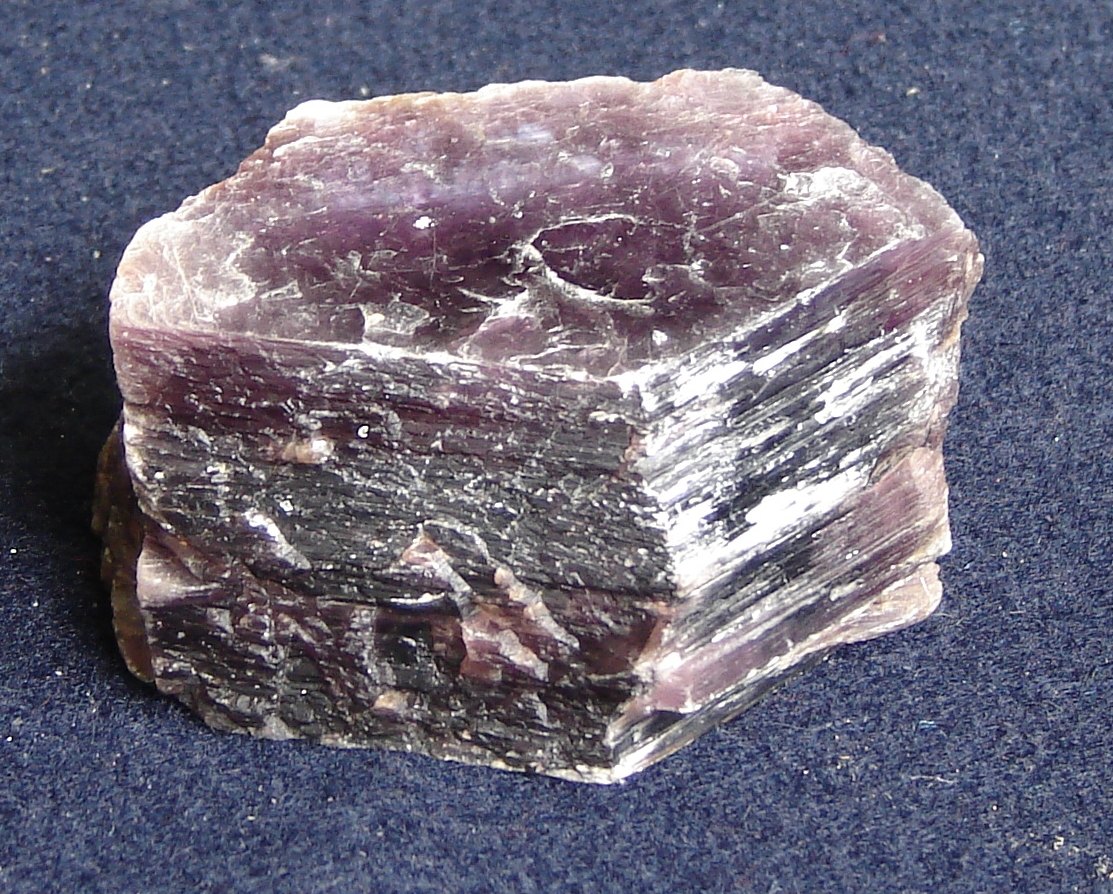
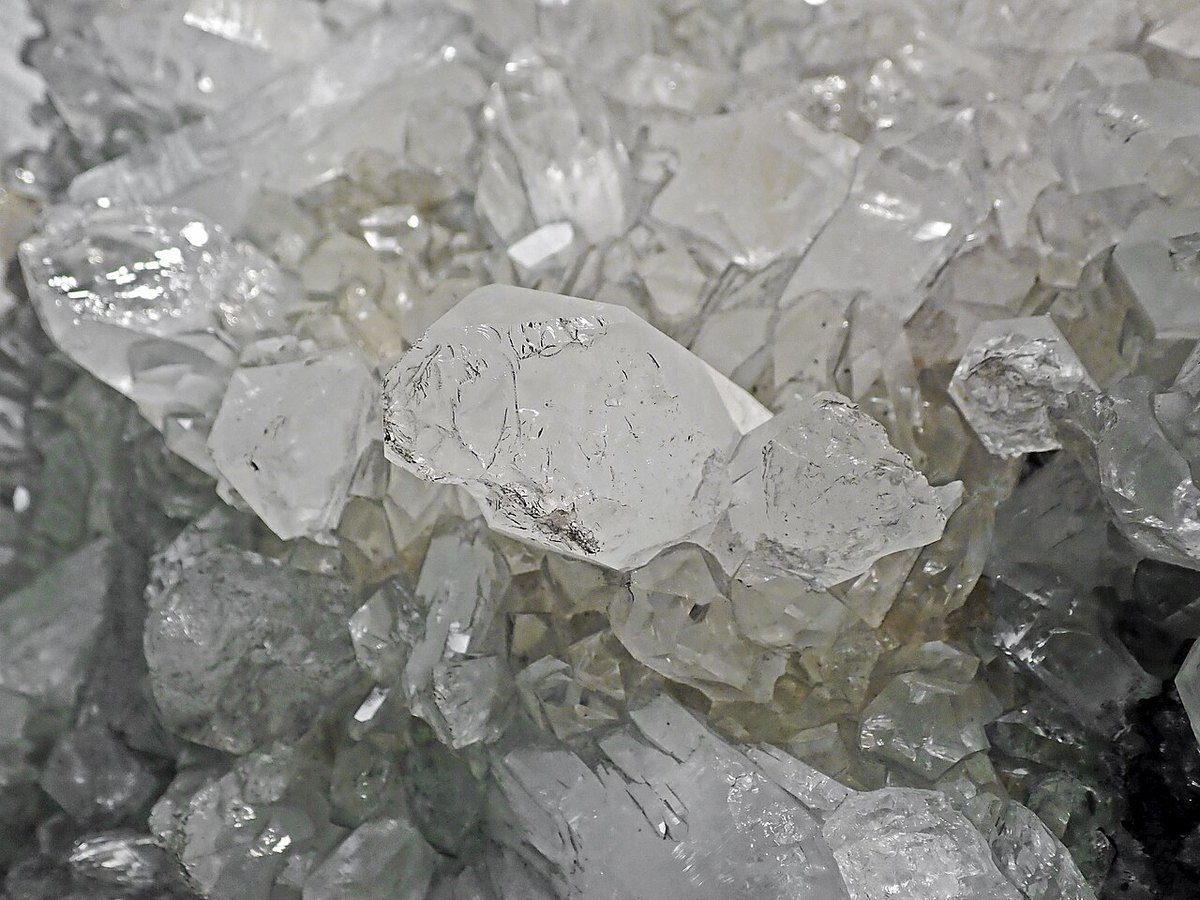
- Calcite crystals can exhibit perfect rhombohedral cleavage in 3 directions, creating unusual diamond-shaped fragments when broken - visible as faces on natural specimens.
- Heart chakra practitioners who want the gentlest, most nurturing pink stone available
- Anyone recovering from grief, heartbreak, or emotional hardship needing a compassion stone
- Gift buyers wanting a soft, beautiful pink mineral for emotional support contexts
- Crystal practitioners interested in distinguishing different pink calcite varieties by mineral chemistry
- Cancer, Taurus, or Libra practitioners drawn to Moon-Venus pink earth stones
- Buyers wanting a durable stone - Mohs 3 is extremely soft, scratches with a copper coin
- Anyone planning water cleansing, gem elixirs, or salt-based practices - calcite dissolves in acid and is water-sensitive
- Shoppers needing a stone for any jewelry setting exposed to daily wear or moisture
What Is Manganoan Calcite?
Manganoan Calcite is calcium carbonate (CaCO3) in which manganese (Mn) has partially substituted for calcium in the crystal lattice, expressed in the formula (Ca,Mn)CO3. It rates 3 on the Mohs hardness scale.
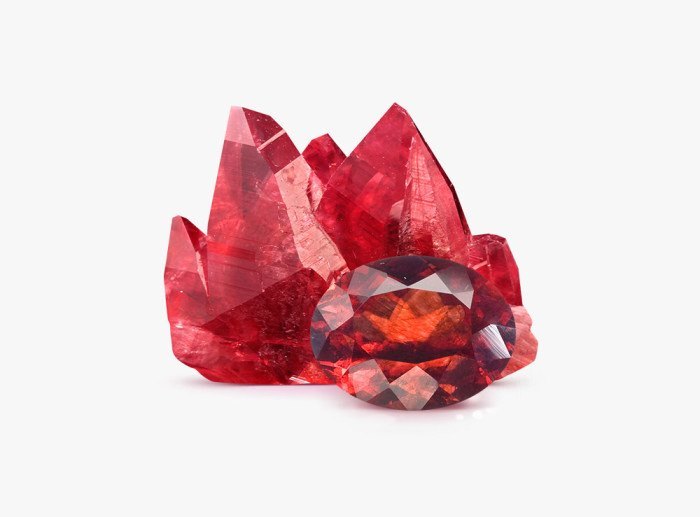
This manganese substitution creates the stone's characteristic pale pink to medium pink coloration - the same chemistry that colors rhodochrosite but at lower manganese concentration, producing softer pink tones rather than rhodochrosite's vivid cherry reds.
The stone is sometimes marketed simply as 'mangano calcite' or 'pink calcite,' and it is a distinct mineral variety rather than a trade name.
Manganoan calcite forms in hydrothermal ore deposits, often in association with manganese ores, and also in metamorphic limestone terrains. The most commercially significant deposits are in Peru - particularly from the Chiriaco and Ancash regions - and in Slovakia.
Mohs hardness is the standard calcite 3, making it one of the softest stones in regular crystal healing use. The trigonal crystal system produces rhombohedral crystals, botryoidal formations, and massive material; the softer formation makes it more prone to scratching, chipping, and surface wear than quartz-based pink stones.
In the crystal market, manganoan calcite is often compared with or confused with mangano calcite, rose calcite, and pink calcite - these terms are used inconsistently by retailers. Mineralogically, genuine manganoan calcite has measurable manganese in the crystal structure; testing by a gemological laboratory can confirm composition.
For practical purposes, the pale pink color, calcite luster, and very soft scratch resistance (easily scratched with a copper coin) are reliable field identifiers.
How Manganoan Calcite Compares
| Property | Manganoan Calcite | Rhodochrosite | Rose Quartz |
|---|---|---|---|
| Hardness | 3 (very soft) | 3.5 - 4 | 7 |
| Color | Pale to medium pink | Vivid cherry-rose | Pale to medium pink |
| Formula | (Ca,Mn)CO3 | MnCO3 | SiO2 + traces |
| Price / piece | $ Budget | $ Budget | $ Budget |
Meaning and Symbolism
Pink stones have carried associations with love, compassion, and the nurturing feminine across cultures for millennia - from rose quartz in ancient Egypt to pink jade in China to pink tourmaline in modern gift traditions.
Manganoan calcite, with its gentle pastel tones and lunar softness, sits at the furthest end of this spectrum - the most tender and least demanding of the pink mineral family.
In contemporary crystal healing tradition, manganoan calcite is specifically associated with unconditional love and self-compassion - a quality of loving that does not require the other to change, perform, or deserve. Practitioners believe it helps the holder extend genuine compassion inward, addressing the harsh inner critic that many people carry without recognizing.
Many find it particularly supportive for practices focused on forgiving oneself or accepting limitations with grace.
The Moon and Venus planetary associations connect manganoan calcite to the receptive, nurturing, and relationally intelligent aspects of human experience. In traditions that work with feminine archetypes, it is linked to the unconditionally loving maternal quality - not the demanding, conditional love that requires performance.
The basic warmth that says 'you are enough as you are.'.
Historical Timeline
Healing Tradition
Emotional
Practitioners believe manganoan calcite carries one of the most genuinely compassionate emotional frequencies available in the crystal kingdom - softer and less demanding than rhodochrosite, less analytical than rose quartz.
The stone is said to hold the holder in unconditional warmth, encouraging self-acceptance at a very basic level: not fixing oneself to deserve love, but recognizing that love and belonging do not require earning.
Many crystal healing practitioners recommend it for people recovering from emotionally harsh environments where affection was conditional or withheld. The stone is described as practicing the quality of 'mothering' in its fullest sense - present, warm, and accepting regardless of performance.
Spiritual
In crystal healing tradition, manganoan calcite is linked to the receptive, devotional aspects of spiritual practice - the capacity to receive rather than only give or seek. Many practitioners find it supportive for meditation practices focused on surrender, trust, and resting in love rather than actively working toward states.
The Crown chakra connection extends the Heart's love quality upward into a transpersonal dimension - love as universal presence rather than personal relationship. Some practitioners use it during prayer, contemplative reading, or any spiritual practice that benefits from a quality of open-hearted receptivity.
Physical
Crystal healing practitioners link calcite varieties to the skeletal system and calcium metabolism (reflecting the mineral's calcium carbonate composition). Manganoan calcite specifically connects to the Heart chakra's physical associations with the cardiovascular system and chest. Practitioners sometimes place it over the heart during rest.
These are belief-based associations with no medical evidence. Important: do not use in water elixirs or gem waters - calcite dissolves in mild acid and reacts with water over time.
Zodiac, Birthstone and Gifts
Manganoan calcite resonates with Cancer's deep nurturing nature and Moon rulership - the stone's unconditional warmth mirrors Cancer's instinctive caretaking quality. Practitioners believe it helps Cancer maintain self-compassion while they care for others, preventing the depletion that comes from giving without replenishment.
Taurus connects through Venus rulership and the earth-grounded quality of soft pink love. Libra, as the sign of harmonious relationships and Venus's other domain, resonates with the stone's relational compassion and the quality of love that creates balance rather than dependency.
Care and Cleansing
Manganoan calcite requires the most careful cleansing of all commonly used crystal healing stones. Do not use water - calcite is a carbonate mineral that dissolves in mild acid and is damaged by extended water exposure. Even brief soaking can cause surface etching. Never use salt, which accelerates chemical damage.
Surface cleaning with a dry soft cloth is the standard method.
Moonlight charging is the preferred and safest cleansing method - completely dry, gentle, and appropriate to the stone's Moon-Venus associations. Smudging with sage, rose petals, or palo santo is appropriate and popular. Selenite plate charging is ideal for regular maintenance. Sound cleansing with gentle singing bowls or gentle breath practices work well.
Visualization-based cleansing (imagining gentle pink or white light washing through the stone) is practiced by many users.
- DO NOT use water, salt water, or any liquid cleansing - calcite dissolves in mild acid and is damaged by water exposure.
- DO NOT use in gem water elixirs - calcite dissolves and the solution is not safe for consumption.
- DO NOT scratch or place near harder stones that can easily scratch the Mohs 3 surface.
- DO avoid prolonged direct sunlight - pink color may fade over time.
- DO store in a padded container away from other minerals.
- DO handle with care - this is one of the softest stones in regular crystal healing use.
- Note: at Mohs 3, a copper coin can scratch manganoan calcite - store and handle accordingly.
Real vs Fake
Manganoan calcite is commonly confused with rose quartz (much harder at Mohs 7) and rhodochrosite (slightly harder at Mohs 3.5-4, more vivid color). The primary field test is hardness: genuine manganoan calcite at Mohs 3 is easily scratched by a copper coin (Mohs ~3.5).
Rose quartz will not scratch with a copper coin. If the pink stone resists copper coin scratching, it is not calcite.
Dyed pink calcite exists in wholesale markets - artificially enhanced to show brighter pink than natural. Natural manganoan calcite shows organic, slightly uneven pink distribution. Dyed material shows unnaturally uniform or intensely saturated color. A brief water drop on dyed material may show color transfer to a white cloth.
Pink glass or resin imitations are much lighter than genuine calcite (SG 2.71-2.95) and show no cleavage when chipped. Calcite has perfect 3-direction rhombohedral cleavage producing diamond-shaped fragments. This is visible in any chip or break.
Manganoan Calcite Jewelry & Gifts
Quality factors for manganoan calcite: color depth, surface quality, and form. Deeper, more saturated pink is more desirable within the pale-to-medium range characteristic of this mineral. Botryoidal (bubble-cluster surface) specimens from Peru are particularly visually striking. Rhombohedral crystal specimens are collector-grade.
Polished tumbled stones and rough chunks are the most common commercial forms.
Natural color should show organic distribution - not perfectly uniform. Ask sellers whether the piece has been dyed if the color seems unusually vivid or perfectly even.
Small tumbled pieces sell for $3-$10. Medium polished or rough pieces range from $10-$30. Display specimens with botryoidal form or exceptional crystal development can reach $40-$100+. No laboratory certification standard exists for this material.
Where to Buy Manganoan Calcite
Affiliate disclosure: Some links below earn us a small commission at no extra cost to you. See our affiliate disclosure page.
Handmade, raw, and tumbled pieces from independent sellers worldwide.
Shop Manganoan Calcite on Etsy →Accessories, tools, and specimen sets with fast Prime delivery.
Shop Manganoan Calcite on Amazon →Certified loose gemstones graded and photographed for online buyers.
Shop Manganoan Calcite on GemSelect →Pairs Well With


Where Manganoan Calcite Is Found


