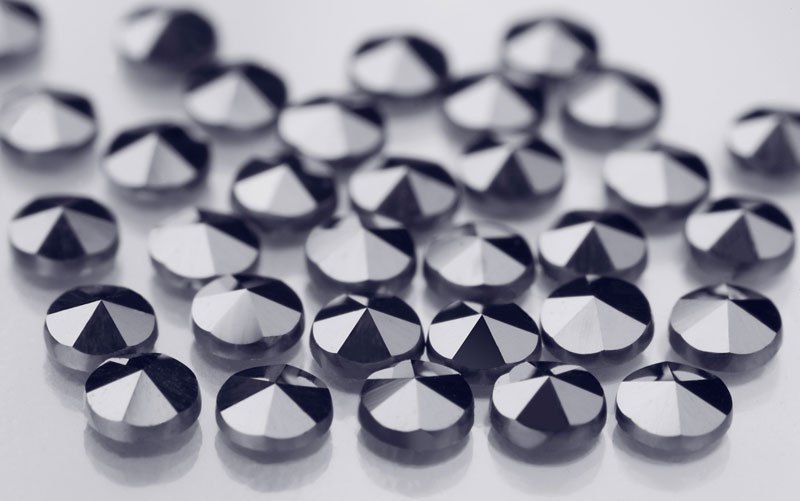
Marcasite
A pale-bronze iron sulfide cut into tiny faceted points for Victorian and Art Deco jewelry.
- The marcasite in jewelry is actually pyrite, not true marcasite; the trade name dates from the eighteenth century before the two minerals were clearly distinguished.
- True marcasite (orthorhombic FeS₂) is too unstable for jewelry use, while pyrite (cubic FeS₂) is stable enough to cut and polish.
- Queen Victoria's adoption of marcasite jewelry during her mourning years helped establish the style as respectable.
- Art Deco marcasite jewelry from the 1920s and 1930s remains among the most collected vintage jewelry categories.
- The name marcasite comes from the Arabic word marqashitha, used historically for various sulfide minerals.
- Vintage jewelry collectors interested in Victorian and Art Deco design
- Buyers seeking affordable silver-toned alternatives to diamond and white sapphire
- Practitioners working with solar plexus confidence and personal power
- Sterling silver enthusiasts wanting traditional setting styles
- Gift givers looking for distinctive heritage-style brooches and bracelets
- Anyone needing daily-wear durability without care; marcasite oxidizes with skin oils
- Buyers wanting water-safe jewelry (marcasite degrades with moisture)
- Practitioners seeking heart-centered or calming energy (try rose quartz or amethyst)
What Is Marcasite?
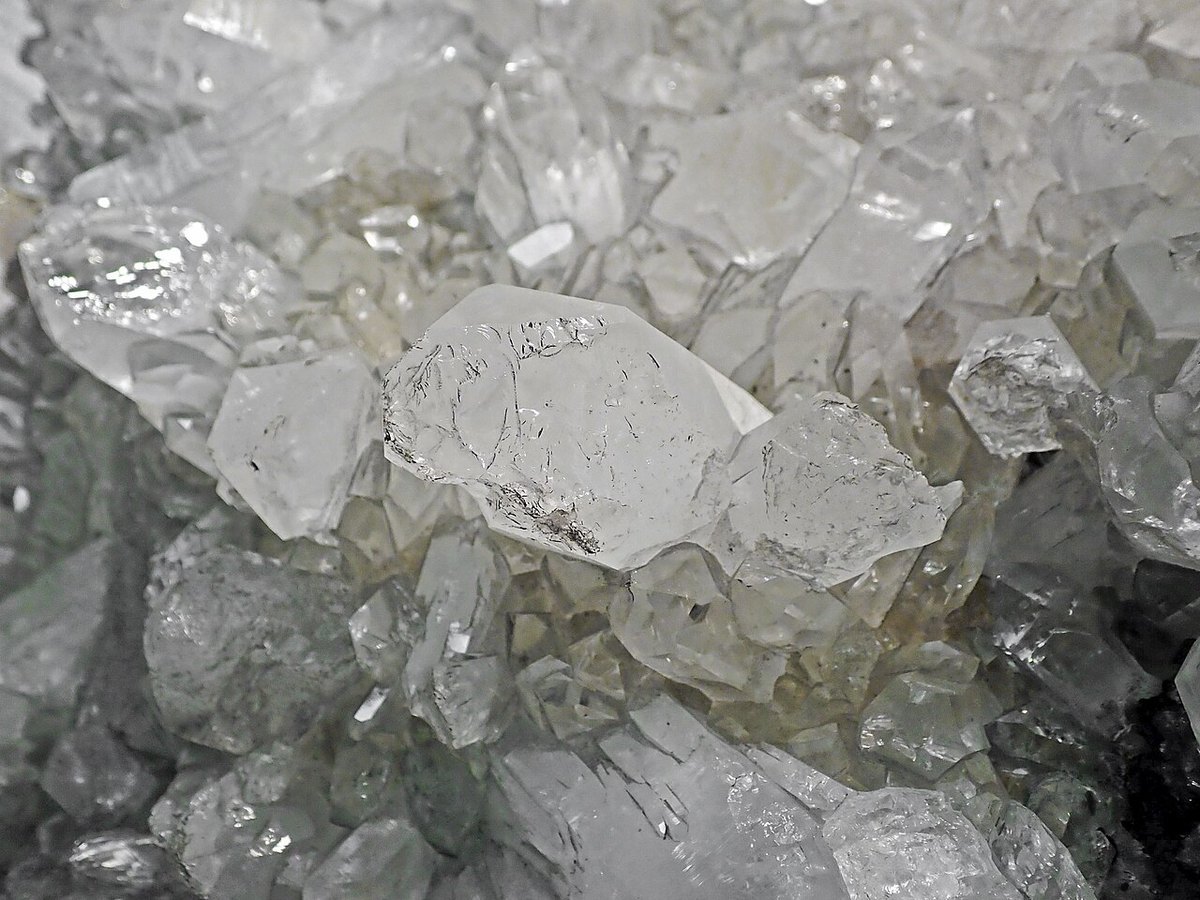
Marcasite is iron disulfide (FeS2), the same chemical formula as pyrite but a different crystal structure. Where pyrite crystallizes in the cubic system, marcasite forms in the orthorhombic system, which produces tabular, prismatic, or radiating crystals rather than pyrite's cubes. It rates 6 - 6.5 on the Mohs hardness scale.
The IMA symbol for the species is Mrc. Mineralogically, marcasite is the lower-temperature polymorph of iron disulfide and is less stable than pyrite over geological time.
Confusingly, the marcasite used in jewelry is almost always pyrite, not true marcasite. Jewelry trade tradition adopted the marcasite name in the eighteenth century when the two minerals were not clearly distinguished, and the name stuck even after later mineralogy separated them.
True marcasite is too unstable for cut and polished jewelry use; the stones in your Victorian or Art Deco brooch are pyrite faceted into tiny rose-cut or pavé points and pavé-set into sterling silver.
Marcasite jewelry rose to peak popularity during the Victorian era and Art Deco period, when sterling silver settings adorned with tiny faceted iron sulfide points became a signature look. The style fell out of fashion mid-twentieth century but has experienced steady revivals since the 1980s.
Modern marcasite jewelry continues to use pyrite stones set in sterling silver, with traditional designs ranging from delicate floral brooches to bold geometric Art Deco bracelets and earrings.
How Marcasite Compares
| Property | Marcasite (jewelry) | True Marcasite | Hematite |
|---|---|---|---|
| Hardness | 6 - 6.5 | 6 - 6.5 | 5.5 - 6.5 |
| Price / piece | $ Budget | $ Budget | $ Budget |
| Stability | Stable in dry | Unstable | Stable |
| Best For | Vintage jewelry | Mineral specimens | Daily wear, grounding |
Meaning and Symbolism
Marcasite jewelry has a uniquely European history tied to specific design eras. The trend began in the eighteenth century when European jewelers used pyrite (called marcasite by the trade) to create sparkling pavé settings as an affordable alternative to diamond.
Cut steel jewelry of the same period served similar purposes, and both styles were popular among the Georgian and early Victorian middle classes who wanted glittering jewelry without diamond prices. Queen Victoria's adoption of marcasite jewelry during her years of mourning helped cement the style as a respectable alternative.
The Art Deco period (roughly 1920 to 1940) marked the peak of marcasite jewelry's artistic prestige. Designers integrated pavé marcasite with onyx, mother-of-pearl, jade, and other contrasting materials to create the bold geometric pieces that define the era.
Sterling silver provided the standard setting metal, and Art Deco marcasite brooches, bracelets, and dress clips remain among the most collected vintage jewelry categories today.
In modern crystal practice, marcasite (when treated as the energy of pyrite, since jewelry marcasite is pyrite) is traditionally associated with the solar plexus chakra and with confidence, manifestation, and grounded action. Practitioners believe the stone supports readers seeking to take action on plans that have been postponed.
The vintage character of most marcasite pieces also gives the stone associations with continuity, tradition, and connection to ancestors who wore similar jewelry.
Historical Timeline
Healing Tradition
Emotional
Practitioners believe marcasite (as the energy of its pyrite-family stone) is a stone of confidence, willpower, and the kind of grounded action that turns plans into outcomes. In crystal healing tradition, it is said to activate the solar plexus chakra, supporting readers seeking to step into more visible expression of their gifts.
Many find marcasite jewelry useful as a daily-wear talisman during major work transitions or creative projects.
The stone has long been associated in modern tradition with the principle of attraction and the magnetism that draws opportunities and resources toward focused intention. Practitioners often pair marcasite jewelry with internal carrying of citrine for amplified prosperity work, or with clear quartz when focused intention setting matters most.
Vintage marcasite jewelry is sometimes recommended for readers cultivating connection to ancestors or family lineage, with the stone treated as a literal link to the women and men who wore similar pieces in earlier generations.
Spiritual
Marcasite jewelry is traditionally associated with the solar plexus chakra in modern crystal practice, which corresponds to its pyrite-family identity. Practitioners believe it supports practical manifestation and the alchemy of turning inner intention into outer reality. It has long been considered a stone of action and follow-through rather than contemplation.
Many find marcasite jewelry useful in meditation focused on personal power, confidence development, and the clear articulation of long-term goals. The stone pairs well with citrine for prosperity grids and with clear quartz for amplification.
Vintage Art Deco and Victorian marcasite pieces are sometimes used in heritage practice as objects connecting the wearer to ancestral traditions of style and personal expression. Practitioners typically wear marcasite during waking hours rather than for sleep, since the stone's traditional energy is activating rather than calming.
Physical
Practitioners believe marcasite supports what they describe as the body's vitality and stamina, drawing on its pyrite-family identity. In folklore, the broader iron sulfide tradition has been associated with circulatory support and physical energy.
The stone is sometimes recommended for readers managing low energy or fatigue, particularly when setting jewelry can be worn during the day for steady solar plexus contact.
Because marcasite jewelry uses pyrite stones that oxidize in moist conditions, the stone should be removed before bathing, swimming, or any extended sweat. The setting metal (almost always sterling silver) can also tarnish from moisture, which is why proper care extends jewelry life and energetic use considerably.
Marcasite is not a substitute for medical care, and practitioners are careful to frame its role as supportive rather than curative. The stone is generally considered safe for routine handling but raw pyrite specimens should be handled with washed hands, especially if they show surface oxidation.
Zodiac, Birthstone and Gifts
Marcasite is most often associated with Leo through its pyrite-family solar plexus connection. Practitioners believe the stone supports Leo's natural confidence and visible self-expression, especially through vintage jewelry that combines personal power with classic style.
It has long been recommended as a vintage gift for Leo readers drawn to heritage design and Art Deco aesthetics.
Aquarius is the secondary association because of marcasite's distinctive vintage character and connection to specific design eras. Astrologers sometimes suggest marcasite jewelry for Aquarian readers drawn to unconventional yet historically grounded personal style, particularly Victorian and Art Deco aesthetics.
Care and Cleansing
Marcasite jewelry requires gentle, water-free cleaning methods because the underlying pyrite reacts with moisture. A soft dry brush or microfiber cloth is the safest routine for removing dust and skin oils, with brief sunlight exposure as the most aligned energetic cleansing method.
Avoid all forms of water, including ultrasonic and steam cleaning, which damage both the stones and the sterling silver setting metal.
Smoke from sage, palo santo, or cedar is widely used and considered safe for marcasite jewelry. Sound cleansing with a singing bowl or tuning fork works well, and brief moonlight exposure is acceptable in dry conditions.
Many practitioners recharge marcasite by resting it on a clear quartz cluster overnight or by placing it briefly in morning sunlight on a windowsill. Store marcasite jewelry in a dry display case or fabric-lined box with a silica gel packet to prevent humidity damage.
- DO NOT submerge marcasite jewelry in water; the pyrite oxidizes and the silver tarnishes.
- DO NOT use ultrasonic or steam cleaners on marcasite jewelry under any circumstances.
- DO remove marcasite rings and bracelets before washing hands, applying lotion, or wearing perfume.
- DO store marcasite jewelry in a dry box with a silica gel desiccant packet.
- DO NOT wear marcasite during exercise, swimming, or showering; sweat accelerates oxidation.
- DO use a soft dry cloth to clean marcasite jewelry; never use silver dip or chemical polishes.
- Note: vintage marcasite pieces with missing stones can usually be repaired by a specialist jeweler with replacement pavé stones.
Real vs Fake
Genuine marcasite jewelry uses pyrite stones (called marcasite by trade tradition) pavé-set into sterling silver. Authentic stones show a brassy to silvery metallic luster with sharp facets cut to catch light. Under magnification you may see the natural crystalline character of pyrite cleavage and small variations in luster between individual stones.
Sterling silver settings are typically marked 925 on the back of the piece for authenticity verification.
Common imitations include pieces marketed as marcasite that actually use marcasite-tone resin, hematite, or even painted plastic stones. Real marcasite jewelry has the substantial weight of sterling silver and pyrite, while resin and plastic imitations are noticeably lighter.
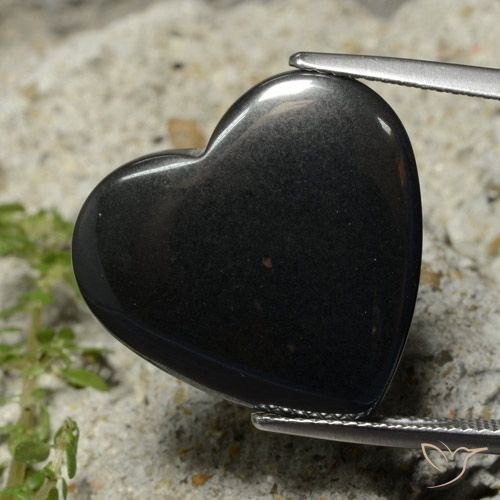
Hematite imitations show a darker, more uniformly gray metallic luster compared with the brassy character of true pyrite.
Vintage authenticity matters significantly for collector value. Authentic Victorian and Art Deco marcasite pieces show specific construction techniques, hallmarks, and design elements characteristic of their era, which is why authentication for vintage pieces should involve a specialist in antique jewelry.
At home, look for the substantial weight, the sterling silver hallmark on the setting, and the brassy-silvery metallic luster of individual stones with subtle variation between pavé positions. Watch for pieces marketed as Victorian or Art Deco at suspiciously low prices, since these are often modern reproductions sold without disclosure.
Reputable vintage dealers provide period authentication and provenance documentation for high-value pieces.
Marcasite Jewelry & Gifts
Marcasite jewelry pricing depends primarily on the era, design quality, and condition of the piece rather than the gemstone value alone.
Modern reproduction marcasite earrings and small pendants run $15 to $80, mid-range vintage-style brooches and bracelets cost $80 to $250, and authentic Victorian or Art Deco pieces typically run $200 to $1,500 depending on condition.
Exceptional museum-quality Art Deco pieces by named designers can command much higher prices in the antique jewelry market.
Reputable sellers disclose whether pieces are vintage authentic or modern reproductions. Watch for modern pieces marketed as vintage, since this misrepresentation is common in online jewelry markets. The 925 sterling silver hallmark should be present on legitimate sterling marcasite pieces.
For vintage collectors, specialist antique jewelry dealers provide authentication and condition reports. Art Deco marcasite jewelry remains a strong category in the vintage jewelry market, with authentic period pieces by Eberle, Theodor Fahrner, and other named designers commanding significant premiums.
Where to Buy Marcasite
Affiliate disclosure: Some links below earn us a small commission at no extra cost to you. See our affiliate disclosure page.
Handmade, raw, and tumbled pieces from independent sellers worldwide.
Shop Marcasite on Etsy →Accessories, tools, and specimen sets with fast Prime delivery.
Shop Marcasite on Amazon →Certified loose gemstones graded and photographed for online buyers.
Shop Marcasite on GemSelect →Pairs Well With




Where Marcasite Is Found


