Neon Blue Apatite
Electrifying Caribbean-blue apatite that outshines nearly any blue gem at a fraction of the price
- Madagascar neon blue apatite was essentially unknown in jewelry markets before the late 1990s; within a decade it became one of the most recognized affordable colored gems.
- The electric blue color in neon apatite is natural and permanent - it comes from rare-earth element interactions in the mineral structure, not dye or treatment.
- Apatite is the mineral found in human tooth enamel and bone - the same chemical compound (calcium phosphate) displayed as a gemstone.
- Despite its stunning color, neon blue apatite is sometimes confused with paraiba tourmaline by inexperienced buyers - paraiba is far rarer and worth up to 1000x more per carat.
- Apatite crystals from some localities fluoresce vividly under UV light - neon blue apatite from Madagascar often shows a strong yellow-green fluorescence.
- Maximum blue color impact on the smallest budget
- Throat and third eye chakra work with vivid color
- Gem collectors wanting rare-looking stones accessibly priced
- Statement pendant or earring jewelry
- Those drawn to Caribbean or ocean blue energy
- Everyday ring wear (choose blue sapphire or topaz for durability)
- Active outdoor jewelry exposed to chemicals or salt water
- Children or rough handling situations
What Is Neon Blue Apatite?
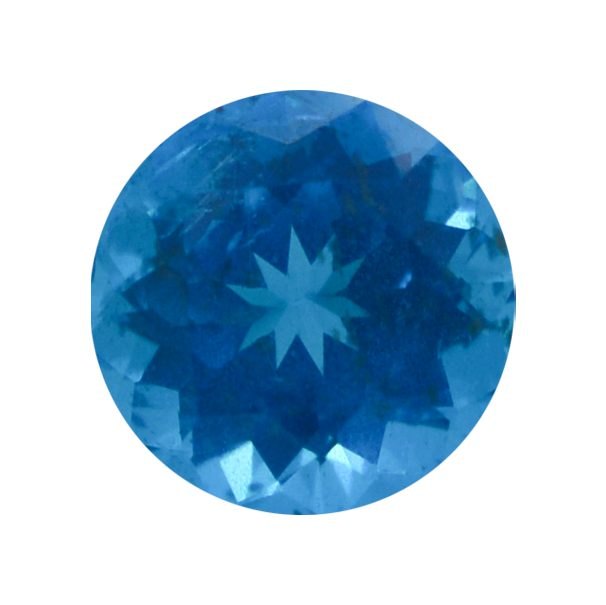
Neon Blue Apatite is a transparent to translucent variety of apatite from Madagascar displaying an extraordinarily vivid electric blue color that rivals - and often surpasses - the color saturation of far more expensive blue gems. It rates 5 on the Mohs hardness scale.
The neon quality comes from trace rare-earth elements in the Malagasy apatite deposits, which produce a blue unlike anything seen in mainstream gem species.
The stone transformed the global apatite gem market when Madagascar's deposits came to commercial attention in the late 1990s. Before then, apatite was considered primarily a collector's mineral of limited jewelry interest. Madagascar neon blue apatite demonstrated that apatite could produce world-class color at accessible prices.
Despite its stunning appearance, neon blue apatite requires careful handling due to its Mohs 5 hardness and tendency to scratch easily. It is best set in protective pendants, earrings, or occasionally bezel rings, and is not suitable for everyday ring wear or rough handling.
How Neon Blue Apatite Compares
| Property | Neon Blue Apatite | Blue Topaz | Aquamarine |
|---|---|---|---|
| Hardness | 5 | 8 | 7.5 - 8 |
| Price/ct | $ Budget | $ Budget | $ Budget |
| Color | Electric neon blue | Sky to Swiss blue | Pale to medium blue |
| Best For | Maximum color impact | Durable blue jewelry | Classic blue gem |
Meaning and Symbolism
Neon Blue Apatite is traditionally associated with clear communication, truth-telling, and the energy of deep ocean and open sky combined in a single stone. Its electric blue color is said to activate the throat chakra with unusual intensity, giving voice to thoughts and feelings that have been held back.
Practitioners believe it stimulates intellectual clarity and creative thinking, making it popular for writers, teachers, musicians, and anyone whose work involves authentic self-expression. It is also thought to support manifestation - the ability to speak desires into reality with clear intention.
The stone is also associated with dissolving the inertia of suppressed truth - helping people who have habitually kept silent begin to find and articulate their authentic voice. Some crystal workers describe it as a catalyst for important conversations long deferred.
Historical Timeline
Healing Tradition
Emotional
Neon blue apatite is traditionally associated with emotional clarity and the courage to communicate feelings directly and honestly. Practitioners believe its intense blue frequency clears blockages in the throat area associated with years of unexpressed emotion, helping the bearer finally articulate what has long remained silent.
It is said to be particularly supportive for people-pleasers who habitually suppress their needs to maintain peace. Crystal healers sometimes recommend it for people working with therapists or in group healing contexts where finding authentic voice is a goal.
Spiritual
Spiritually, neon blue apatite is thought to activate both throat and third eye chakras, linking the ability to see clearly with the ability to speak truthfully. Practitioners describe it as a stone for conscious manifestation - understanding that clear spoken intention carries creative power in the world.
Some traditions link blue apatite to the Akashic records and the ability to access past-life knowledge through articulated inquiry. Its intense blue frequency is said to sharpen psychic communication and clairaudient perception.
Physical
Neon blue apatite carries apatite's traditional associations with the throat, thyroid, and vocal cords in crystal healing frameworks. Practitioners sometimes suggest it for throat tension, speaking-related anxiety, or the physical discomfort of holding difficult words unexpressed.
Its calcium phosphate composition connects it in folk traditions to bone and dental health - the same structures it mineralogically comprises. These are traditional beliefs only; neon blue apatite is not a medical treatment.
Zodiac, Birthstone and Gifts
Gemini's natural affinity for communication and exchange of ideas makes neon blue apatite a powerful ally - its throat chakra intensity helps Gemini's rapid thinking find clear, precise expression. Aquarius benefits from apatite's clarity-supporting energy, which channels the sign's visionary ideas into articulate form that others can engage with.
Pisces, naturally intuitive but sometimes struggling to verbalize inner experience, is thought to find neon blue apatite bridges the gap between what is felt and what can be expressed.
Care and Cleansing
Sound cleansing with a singing bowl tuned to a high clear tone is the safest method for neon blue apatite given its soft surface (Mohs 5). Brief moonlight or indirect sunlight exposure is appropriate; avoid direct intense sunlight for prolonged periods.
A very quick rinse under cool running water is acceptable; dry immediately and never soak or expose to salt water.
- DO store neon blue apatite in a separate soft pouch - at Mohs 5 it will be scratched by almost every other gemstone including glass and feldspar.
- DO NOT use ultrasonic or steam cleaners; apatite's softness makes it vulnerable to vibration and heat.
- DO NOT expose to salt water, acidic cleaners, or household chemicals.
- NOTE neon blue apatite is not suitable for everyday ring wear; pendants and earrings in protective settings extend the stone's life dramatically.
- DO NOT confuse with paraiba tourmaline - if a seller claims this is paraiba at apatite prices, it is not paraiba.
Real vs Fake
Genuine neon blue apatite has an intense, slightly warm electric blue color - not the colder blue of synthetic stones or the paler blue of topaz. Apatite's RI of 1.628 to 1.649 is distinctive; blue glass, synthetic spinel, and blue topaz all test differently under a refractometer.
Under magnification, genuine apatite may show natural inclusions, growth tubes, or fluid inclusions - perfect clarity should increase scrutiny rather than comfort.
Blue-dyed colorless apatite exists but is rare; a streak test on an unpolished area can reveal whether color is surface-applied or intrinsic to the crystal.
Never confuse with paraiba tourmaline: paraiba tests at RI 1.614 to 1.666 with strong birefringence, while apatite is uniaxial; a refractometer distinguishes them definitively.
Neon Blue Apatite Jewelry & Gifts
Neon blue apatite is one of the best color-per-dollar values in the gem market; expect $5 to $40 per carat for quality faceted stones.
Color intensity is everything: the most vivid, saturated electric blue specimens command the upper price range; paler or grayish-blue material is worth significantly less. Madagascar is the virtually exclusive source for commercial neon blue apatite; material identified as Madagascar origin is the reliable market standard.
Eye-clean transparency enhances the neon quality dramatically - stones with good clarity show the electric color most intensely under direct lighting. Given apatite's softness, inspect faceted stones for existing scratches or chips before purchasing; a scratched stone is nearly impossible to repair without repolishing.
Where to Buy Neon Blue Apatite
Affiliate disclosure: Some links below earn us a small commission at no extra cost to you. See our affiliate disclosure page.
Handmade, raw, and tumbled pieces from independent sellers worldwide.
Shop Neon Blue Apatite on Etsy →Accessories, tools, and specimen sets with fast Prime delivery.
Shop Neon Blue Apatite on Amazon →Certified loose gemstones graded and photographed for online buyers.
Shop Neon Blue Apatite on GemSelect →Pairs Well With

Where Neon Blue Apatite Is Found


