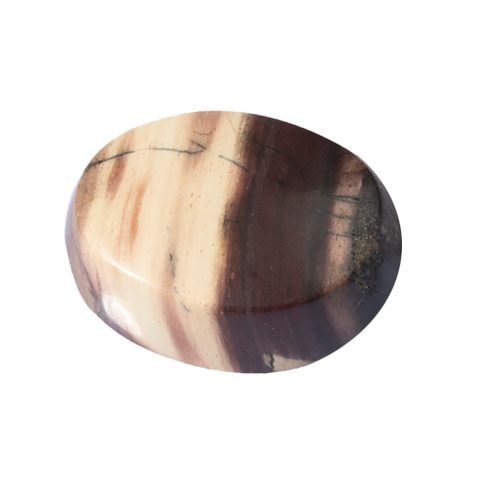
Picture Jasper
A landscape-banded earthy jasper that looks like miniature painted desert scenes.
- Each picture jasper slab is unique; the natural bands cannot be reproduced by any human craft.
- Bruneau jasper from Idaho's Bruneau Canyon is famous for sharp linear banding on creamy-tan body color.
- The landscape patterns are real geology, recording episodes of sediment, water flow, and chemical change.
- Owyhee picture jasper from Oregon often shows what collectors call desert sunset scenes in single slabs.
- Picture jasper takes a high polish and reveals its banding most dramatically when sliced across the layers.
- Practitioners working with root chakra grounding and Earth-memory practice
- Cabochon collectors drawn to natural landscape patterns in stone
- Daily-wear pendant and ring buyers wanting affordable durable material
- Hikers, geologists, and nature lovers wanting a tangible Earth carry
- Beginner crystal collectors building an affordable jasper suite
- Buyers wanting transparent gem material (try smoky quartz)
- Shoppers seeking bright colors (try red jasper)
- Those wanting consistent uniform color (each picture jasper is unique)
What Is Picture Jasper?
Picture jasper is an opaque variety of chalcedony (microcrystalline quartz) characterized by natural banding that looks like landscape paintings. The patterns form when iron oxides, manganese oxides, and other mineral impurities deposit in layers within silica-rich sediments and groundwater channels. It rates 6.5 - 7 on the Mohs hardness scale.
Each piece is unique, often showing dunes, mountains, rivers, or sky-like layered scenes when sliced and polished.
The most famous source is the Owyhee region of Oregon and Idaho in the USA. Bruneau Canyon in Idaho produces the prized creamy-tan Bruneau jasper with sharp dark linear banding. Oregon's Owyhee deposits yield brown-tan picture jasper with softer landscape patterns, often showing what collectors call desert sunset scenes.
South Africa, Brazil, and India produce additional picture jasper with different palettes.
Geologically, picture jasper forms in volcaniclastic sediments and altered ash layers where percolating mineralized water deposits oxide bands over thousands to millions of years. The landscape illusion is real geology, recording episodes of sediment, water flow, and chemical change.
Picture jasper is hard enough (Mohs 6.5 to 7) and tough enough for jewelry use, especially as cabochons, beads, and tumbled stones, and it has been used in lapidary work for generations. Picture jasper takes a high polish and shows its banding most dramatically when oriented to slice across the layers.
How Picture Jasper Compares
| Property | Picture Jasper | Red Jasper | Mookaite |
|---|---|---|---|
| Hardness | 6.5 - 7 | 6.5 - 7 | 6.5 - 7 |
| Price / piece | $ Budget | $ Budget | $ Budget |
| Color | Tan/brown landscape banding | Solid brick red | Yellow-red-purple swirl |
| Best For | Earth-memory grounding | Root vitality | Australian Earth work |
Meaning and Symbolism
Picture jasper carries meaning shaped by both its appearance and its geological origin. The natural landscape banding recalls miniature paintings of desert canyons, mountain ranges, and prairie horizons, and indigenous traditions across the American West have long valued the stone for what they describe as direct connection to the land.
Modern crystal practice has built on these regional associations, framing picture jasper as a stone of Earth memory and place-based wisdom.
The name jasper comes from the Greek iaspis, used in classical antiquity for a wide range of opaque colored stones. Picture jasper as a specific term entered the lapidary trade in the 19th century to describe the landscape-banded varieties from the American West.
Bruneau jasper from Idaho was named for the Bruneau River canyon where it was first commercially mined in the 20th century.
In modern crystal healing tradition, picture jasper is associated with the root chakra and with what practitioners describe as ancestral memory, geological time, and grounded creative inspiration. Many find the stone useful for hikers, geologists, photographers, and writers working on place-rooted projects.
The patterns themselves are often used as scrying tools or visual meditation focal points; practitioners look into the bands and note what images or memories arise. Picture jasper is commonly recommended for travelers wanting a tangible connection to a specific landscape, and for readers undertaking work that requires patience with long timelines.
It is one of the most beloved stones in the broader nature-spirit tradition of contemporary crystal practice.
Historical Timeline
Healing Tradition
Emotional
Practitioners believe picture jasper supports steady emotional grounding through connection to place and natural rhythm. In crystal healing tradition, it is said to ease feelings of disconnection, rootlessness, or scattered attention by reminding the wearer of the larger Earth-time perspective.
Many find picture jasper useful during periods of relocation, career transition, or any season that disrupts a stable sense of place. The stone is often recommended for readers in urban environments who want a tangible carry that connects them to wilderness or geological time.
Because picture jasper carries earthy brown and tan tones, practitioners often pair it with brighter stones like citrine or carnelian when emotional grounding needs to translate into renewed action. It is rarely described as a stone for catharsis or rapid mood shift; its reputation is patient, observational, and oriented toward long timelines.
Many readers describe picture jasper as a stone that quiets internal noise without dampening genuine feeling.
Spiritual
In crystal healing tradition, picture jasper is one of the classical Earth-memory stones associated with the root chakra and place-based spiritual practice.
Practitioners believe the natural landscape patterns serve as direct access to what they describe as the recorded memory of geological time, supporting meditation focused on ancestral lineage, land-based ceremony, or long-horizon visioning. The stone is widely used in nature-spirit traditions of contemporary crystal practice.
Many practitioners use picture jasper as a scrying tool, looking into the bands during meditation and noting what images, memories, or impressions arise. The patterns themselves are treated as a kind of visual oracle that varies by stone.
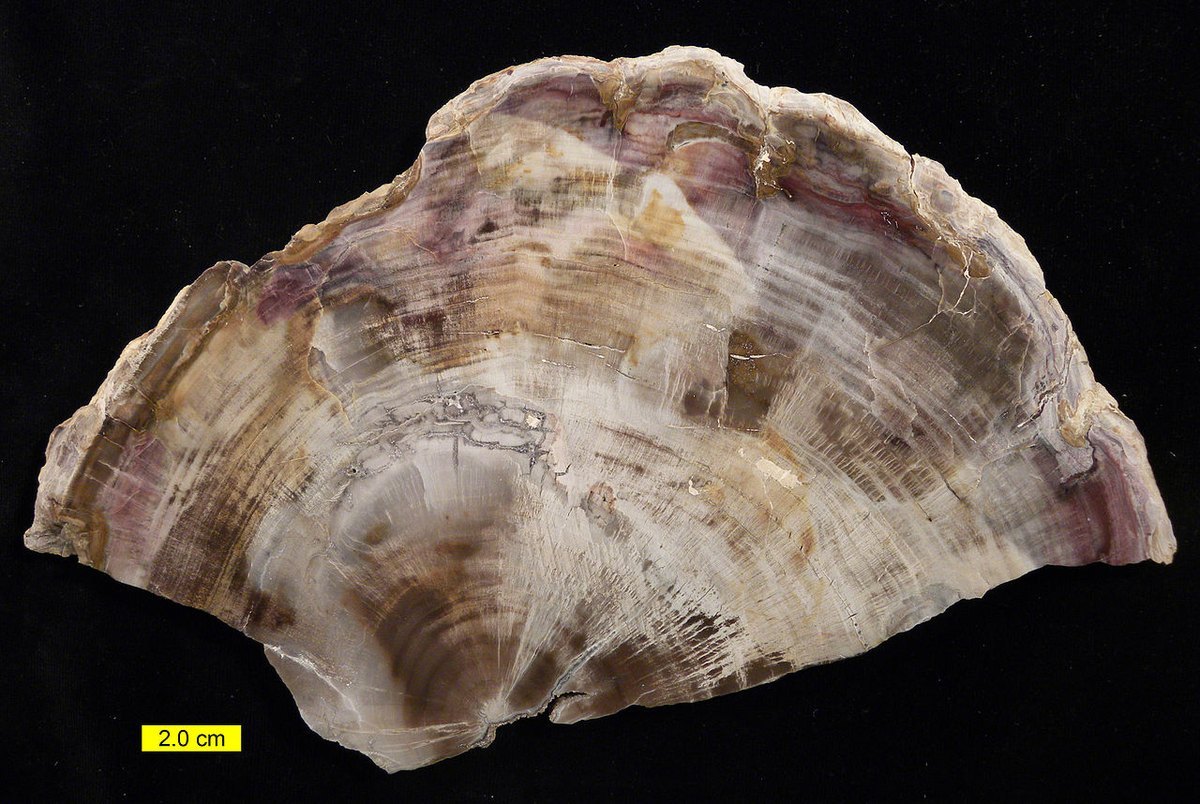
Picture jasper pairs naturally with petrified wood for shared geological-time work, with moss agate for plant-spirit themes, and with black tourmaline for protective grounding before deep place-based practice.
Physical
Practitioners believe picture jasper supports what traditions describe as physical endurance, immune system stability, and the kind of slow steady regeneration that mirrors natural healing cycles. Most physical correspondences come from 20th-century crystal writers because picture jasper as a specific named stone is a modern lapidary tradition.
Picture jasper is not a substitute for medical care, and crystal traditions frame it as supportive rather than curative.
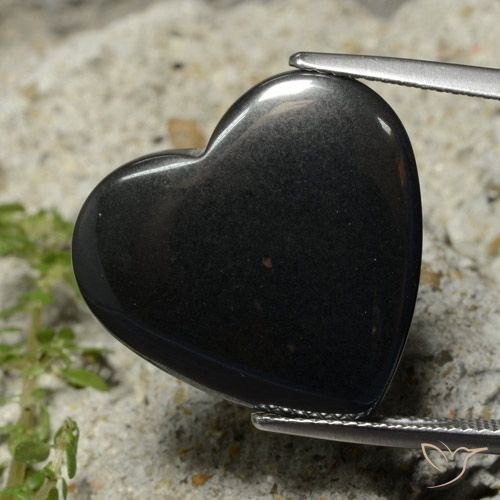
Many readers wear picture jasper pendants or carry tumbled pieces during long outdoor activities, hiking trips, or recovery periods that require patience with slow improvement. Practitioners sometimes pair picture jasper with hematite for grounded physical work and with red jasper for fuller root chakra warmth.
In contemporary gem therapy, picture jasper is sometimes recommended for travelers and outdoor workers as a tangible Earth-connection carry.
Zodiac, Birthstone and Gifts
Picture jasper is not a classical birthstone, but modern crystal writers often suggest it for Leo readers seeking grounded warmth and for Capricorn readers working on long-term place-based goals. Astrologers traditionally associate the stone with the Earth itself and with Saturn for its patient, structural quality.
Earth signs broadly find picture jasper grounding and supportive of seasonal practice; Taurus readers in particular respond to its connection to land and slow time. Air and fire signs sometimes use picture jasper as a calming counterbalance to faster mental or emotional energy.
Care and Cleansing
Picture jasper is one of the easiest stones to cleanse because it is chemically stable and physically tough. Lukewarm soapy water with a soft brush removes grime and skin oils safely; rinse and dry with a soft cloth. Ultrasonic and steam cleaners are generally safe for clean picture jasper without significant fractures.
Sunlight, moonlight, and dry smoke cleansing (sage, palo santo, cedar) are all considered safe and traditional methods. Many practitioners specifically favor outdoor cleansing for picture jasper, placing the stone briefly on natural ground or on a windowsill open to the elements.
Recharging by burying briefly in soil from a meaningful local landscape is a popular practice that emphasizes the stone's place-based reputation.
- DO clean picture jasper in lukewarm soapy water with a soft brush.
- DO NOT use ultrasonic cleaners on stones with visible fractures or fillings.
- DO store picture jasper separately from softer stones like opal and pearls.
- DO NOT subject picture jasper to sudden temperature changes; thermal shock can cause stress fractures.
- DO request disclosure of any treatments, though picture jasper is rarely treated commercially.
- DO use protective bezel settings for ring wear in active daily lifestyles.
- Note: each stone is unique, so resist sellers claiming exact matched pairs of natural picture jasper.
Real vs Fake
Genuine picture jasper shows natural irregular banding patterns that are unique to each stone. The bands are slightly irregular in width, vary in saturation across the slab, and follow no perfectly geometric pattern. Imitations made from dyed howlite or printed resin show suspiciously regular, perfectly parallel, or repetitive patterns.
Color and texture are key checks. Real picture jasper shows natural earthy tones (tan, brown, cream, with occasional red or black) and a smooth opaque polished surface that feels cool and dense to the touch. Bright artificially saturated colors or visible printing dots under 10x magnification suggest dyed or printed substitutes.
At home, you can test hardness (picture jasper scratches glass easily but is scratched by quartz only with effort), check the cool dense feel against the lighter tap of plastic, and examine cut edges for natural color variation rather than printed-on patterns.
Many sellers market fancy jaspers (including picture jasper, mookaite, and ocean jasper) as a single category; identification can require knowing the specific deposit.
For named-locality material like Bruneau Canyon Idaho jasper or Owyhee Oregon jasper, request photographic provenance or evidence of source. These commands modest premiums and the names are sometimes claimed for unrelated stones.
Be cautious of stabilized picture jasper that has been impregnated with resin to fill micro-fractures; this is not always disclosed but is detectable by acetone testing on inconspicuous areas.
Picture Jasper Jewelry & Gifts
Picture jasper pricing varies by quality, source, and pattern interest. Small tumbled pieces run $2 to $10. Cabochons in 20mm to 40mm sizes with strong landscape banding run $10 to $50, with named-locality material commanding small premiums.
Larger statement cabochons and slabs above 50mm with dramatic patterns can reach $50 to $300 for fine pieces.
Bruneau Canyon Idaho jasper is the price outlier among picture jaspers. Fine Bruneau cabochons with sharp linear banding on creamy body color run $30 to $200 each depending on size and pattern definition. Owyhee Oregon picture jasper falls in similar range, often slightly lower.
Picture jasper is generally untreated, though some material is stabilized with resin to fill micro-fractures and improve polish. Always ask about stabilization, especially for stones with unusually glossy surfaces or unnatural depth.
Buy from specialist lapidary dealers for collector-grade material, and request locality information for any named source like Bruneau, Owyhee, or specific African deposits.
Where to Buy Picture Jasper
Affiliate disclosure: Some links below earn us a small commission at no extra cost to you. See our affiliate disclosure page.
Handmade, raw, and tumbled pieces from independent sellers worldwide.
Shop Picture Jasper on Etsy →Accessories, tools, and specimen sets with fast Prime delivery.
Shop Picture Jasper on Amazon →Certified loose gemstones graded and photographed for online buyers.
Shop Picture Jasper on GemSelect →Pairs Well With



Where Picture Jasper Is Found


