
Poudretteite
A gentle pink rarity from Quebec and Mogok, poudretteite is the collector's whisper-stone of quiet heart awareness.
- Poudretteite was originally described in 1987 from colorless crystals too small to facet.
- The stone is named after the Poudrette family, operators of the Mont Saint-Hilaire quarry in Quebec.
- Gem-quality pink poudretteite appeared unexpectedly from Mogok, Myanmar, in 2000.
- Total world faceted production is estimated at only a few hundred carats.
- Poudretteite is chemically a rare alkali boron silicate unrelated to common pink gem minerals.
- Advanced gem collectors seeking extreme rarities
- Mineralogy enthusiasts interested in Canadian and Burmese rare species
- Heart-chakra practitioners drawn to gentle, soft-pink stones
- Readers fascinated by the 1987 Mont Saint-Hilaire discovery
- Museum-grade specimen buyers with unlimited curiosity
- Daily-wear jewelry shoppers (try pink sapphire, morganite, or pink tourmaline)
- Budget buyers wanting accessible pink gems (try rose quartz or pink chalcedony)
- Beginner crystal workers seeking common energetic stones (try rose quartz instead)
What Is Poudretteite?
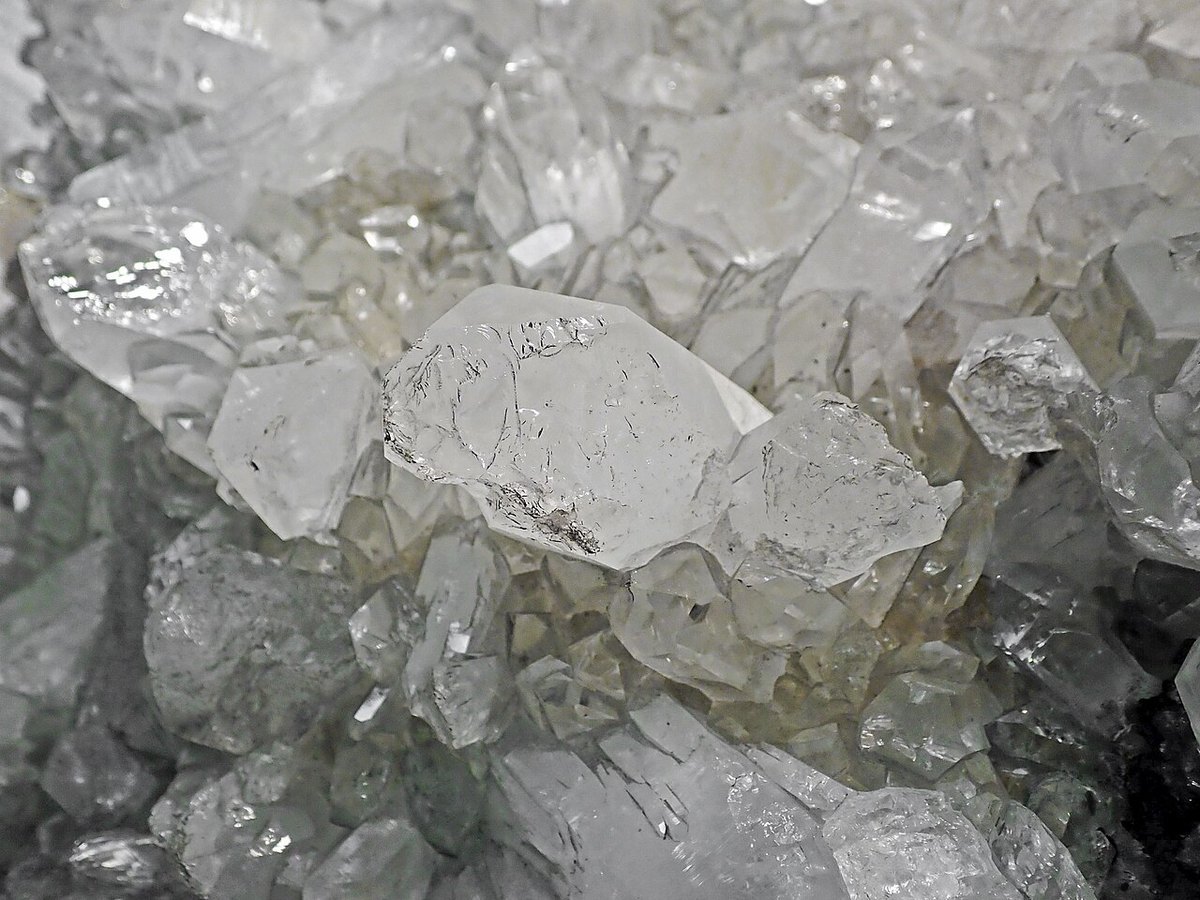
Poudretteite is an exceptionally rare cyclosilicate mineral first discovered in the 1960s at the Poudrette quarry at Mont Saint-Hilaire in Quebec, Canada. The mineral was initially known only from tiny colorless crystals in the original Quebec deposit, with no gem-quality material available to the jewelry trade until a surprising development.
The mineral was officially described and named in 1987 after the Poudrette family that operated the quarry.
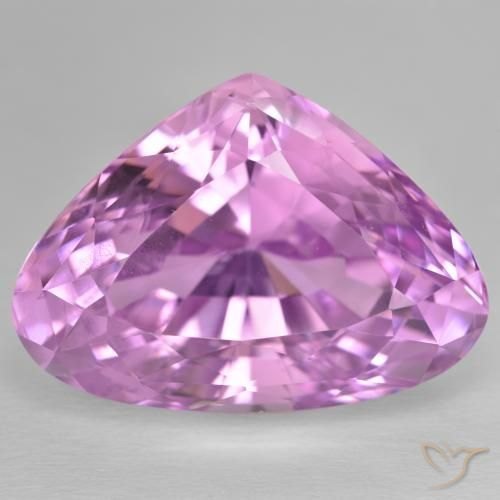
In 2000, gem-quality pink poudretteite was unexpectedly discovered in the Mogok region of Myanmar, producing the first faceted stones ever cut from this species. These Burmese stones showed delicate pink to purplish-pink color from trace manganese. The discovery made poudretteite one of the rarest faceted gemstones in the world.
Chemically, poudretteite is a rare alkali boron silicate with formula KNa2B3Si12O30. It crystallizes in the hexagonal system and scores Mohs 5, limiting its practical use in daily-wear jewelry. The stone is considered soft even by colored-gemstone standards, placing it in the collector specimen category rather than the fine-jewelry category.
Total world production of faceted gem-quality poudretteite is estimated at a few hundred carats, with most stones weighing well under 1 carat. Larger specimens above 2 carats are exceptional rarities, and stones above 5 carats are considered museum-class.
How Poudretteite Compares
| Property | Poudretteite | Morganite | Pink Sapphire |
|---|---|---|---|
| Hardness | 5 | 7.5 - 8 | 9 |
| Refractive Index | 1.511 - 1.532 | 1.577 - 1.600 | 1.762 - 1.770 |
| Price / carat | $$$$ Luxury | $$ Mid-range | $$$ Premium |
| Best For | Museum collection | Engagement (soft pink) | Fine jewelry daily wear |
Meaning and Symbolism
Poudretteite has no ancient folkloric associations because the mineral was only described in 1987 and gem-quality material appeared in 2000. The story is instead one of careful modern mineralogy, with Canadian quarry geologists identifying unusual small crystals that turned out to represent a new species.
The name honors the Poudrette family, long-time operators of the Mont Saint-Hilaire quarry.
The 2000 discovery of gem-quality pink poudretteite in Myanmar's Mogok valley surprised the mineralogical community. The same valley famous for ruby and spinel yielded small quantities of this entirely different species in a soft pink color, connecting Canadian and Burmese gem geology in an unexpected way.
In crystal healing tradition, poudretteite has been adopted by practitioners as a heart-chakra stone emphasizing the gentle, soft-pink quality of Mogok material. The rarity itself is sometimes woven into the meaning, with the stone framed as a symbol of precious uniqueness.
Because poudretteite is a recent discovery, its meaning is still being developed by collectors and practitioners rather than inherited from tradition. Many readers consider it a whispering-heart stone, suited to quiet contemplation and appreciation of subtle beauty. Crystal workers often pair it with rose quartz for tender heart work.
Historical Timeline
Healing Tradition
Emotional
Practitioners believe poudretteite supports what they describe as whispering heart awareness and tender self-recognition. Crystal healing tradition associates the gentle pink color with the quieter registers of heart-chakra work rather than active emotional processing.
Many readers acquire poudretteite as a collector milestone and frame it as a meditation companion for reflective practice rather than daily carry. The stone is sometimes recommended for readers recovering from overwhelm who need softer rather than louder healing tools.
Crystal workers often pair poudretteite with rose quartz for extended tender heart work or with morganite for beryl-family heart practice. The stone's extreme rarity makes it more of an altar centerpiece than a routine working stone in most collections.
Spiritual
In crystal healing tradition, poudretteite is linked with the heart chakra and secondarily with the crown chakra. Practitioners describe the stone as carrying an especially refined energetic signature because of its rarity and delicate color.
Many readers use poudretteite during meditation focused on subtle awareness, quiet intuition, and the cultivation of inner sensitivity. The stone has a very short folkloric lineage and is still accruing meaning from active practitioners.
Crystal workers often place poudretteite at personal altars during phases of introspection and solitude, treating the rarity as a reminder of careful presence. Because the stone requires careful handling, the act of engaging with it becomes part of the meditation practice itself.
Physical
Practitioners believe poudretteite supports what they describe as gentle emotional heart ease and softness in the body. Crystal healing tradition associates pink heart-chakra stones with cardiovascular symbolism, though the stone is not a substitute for medical care.
Because poudretteite is so rare and soft (Mohs 5), practical healing use is mostly confined to altar meditation and occasional pendant wear in protected settings. The stone is not suited to direct skin contact during active movement because of its fragility.
Crystal workers sometimes recommend extended contemplation of a poudretteite piece during quiet recovery from chronic stress, with the stone's rarity and delicate beauty framed as reminders of personal preciousness. The meditation tradition around poudretteite is still young and largely adapted from rose quartz and morganite lineages.
Zodiac, Birthstone and Gifts
Poudretteite is not a traditional birthstone, but astrologers occasionally recommend it for Venus-ruled signs such as Libra (for aesthetic appreciation and relationship delicacy) and Taurus (for quiet sensory reverence).
The stone is considered especially apt during Venus return cycles and birthdays focused on self-appreciation rather than active transformation. Many readers acquire poudretteite as a milestone gift during phases of deliberate quieting and tender self-recognition.
Care and Cleansing
Poudretteite requires gentle handling because of its soft Mohs 5 hardness and fragile nature. Brief rinses in lukewarm water with a soft cloth are safe. Avoid ultrasonic cleaners, steam cleaning, and prolonged water soaks.
Harsh detergents and solvents should be avoided entirely because the chemistry of this rare silicate is not well-documented against industrial cleaners.
Moonlight charging is widely recommended, especially during the full moon. Morning sunlight is safe in moderation. Smoke cleansing with palo santo or sage is a gentle preferred method for this delicate stone.
Dry salt cleansing is acceptable briefly; saltwater soaks should be avoided because of the soft surface. Many practitioners cleanse poudretteite by placing it briefly on a bed of clear quartz or selenite overnight, a method especially suited to fragile specimens that cannot tolerate direct water exposure.
- DO clean poudretteite only with brief lukewarm rinses and soft dry cloth.
- DO NOT use ultrasonic or steam cleaners on poudretteite because of softness.
- DO store in individual padded compartments away from harder gems.
- DO NOT wear poudretteite in rings or bracelets that encounter daily impact.
- DO use protective bezel settings for any pendant or earring wear.
- DO verify gemological origin documentation before significant purchases.
- Note: insurance appraisal is strongly recommended for poudretteite above 1 carat.
Real vs Fake
Genuine poudretteite shows a refractive index of 1.511 to 1.532, specific gravity around 2.51, and a distinctive spectroscopic signature that laboratory instruments can identify readily. The stone is soft (Mohs 5) and rarely larger than 1 carat when faceted, which helps narrow identification in any unusual-looking piece.
Under magnification, natural poudretteite often shows subtle growth features characteristic of its hexagonal crystal system.
Common misidentifications include kunzite, pink tourmaline, morganite, and treated pink sapphire. Laboratory spectroscopy (Raman or FTIR) is the definitive tool for separating poudretteite from other pink gems.
The extreme rarity of the mineral means that any unverified pink stone offered as poudretteite should be treated with skepticism; reputable dealers always supply laboratory certificates with these stones.
Practical at-home checks are limited because of the stone's low profile. The specific gravity test (poudretteite sinks less than typical pink gems because of its low 2.51 density) and refractive index test (below 1.54) can help identify suspicious stones, but laboratory analysis remains essential.
For any purchase above $500, request a report from an independent gemological lab, a reputable lab, or a reputable lab confirming species. Most reputable dealers selling poudretteite provide laboratory certificates without being asked.
Poudretteite Jewelry & Gifts
Poudretteite sits in the ultra-rare collector market and is rarely seen at jewelry counters. Small stones under 0.5 carat typically run $1,500 to $4,000 per carat, stones from 0.5 to 1 carat price at $4,000 to $10,000 per carat, and exceptional specimens above 1 carat can exceed $15,000 per carat.
Faceted stones above 2 carats are museum-class rarities and pricing is negotiated individually.
When buying, insist on a laboratory report from an independent gemological lab, a reputable lab, or a reputable lab confirming species. Burmese Mogok provenance is typical for gem-quality pink material; Canadian Quebec material exists but is rarely faceted.
Most purchases occur through specialist gem dealers, mineral shows, and auction houses rather than conventional retail jewelers. The stone is mostly for collector and investment buyers with existing rare-gem portfolios.
Where to Buy Poudretteite
Affiliate disclosure: Some links below earn us a small commission at no extra cost to you. See our affiliate disclosure page.
Handmade, raw, and tumbled pieces from independent sellers worldwide.
Shop Poudretteite on Etsy →Accessories, tools, and specimen sets with fast Prime delivery.
Shop Poudretteite on Amazon →Certified loose gemstones graded and photographed for online buyers.
Shop Poudretteite on GemSelect →Pairs Well With


Where Poudretteite Is Found

