Tree Agate
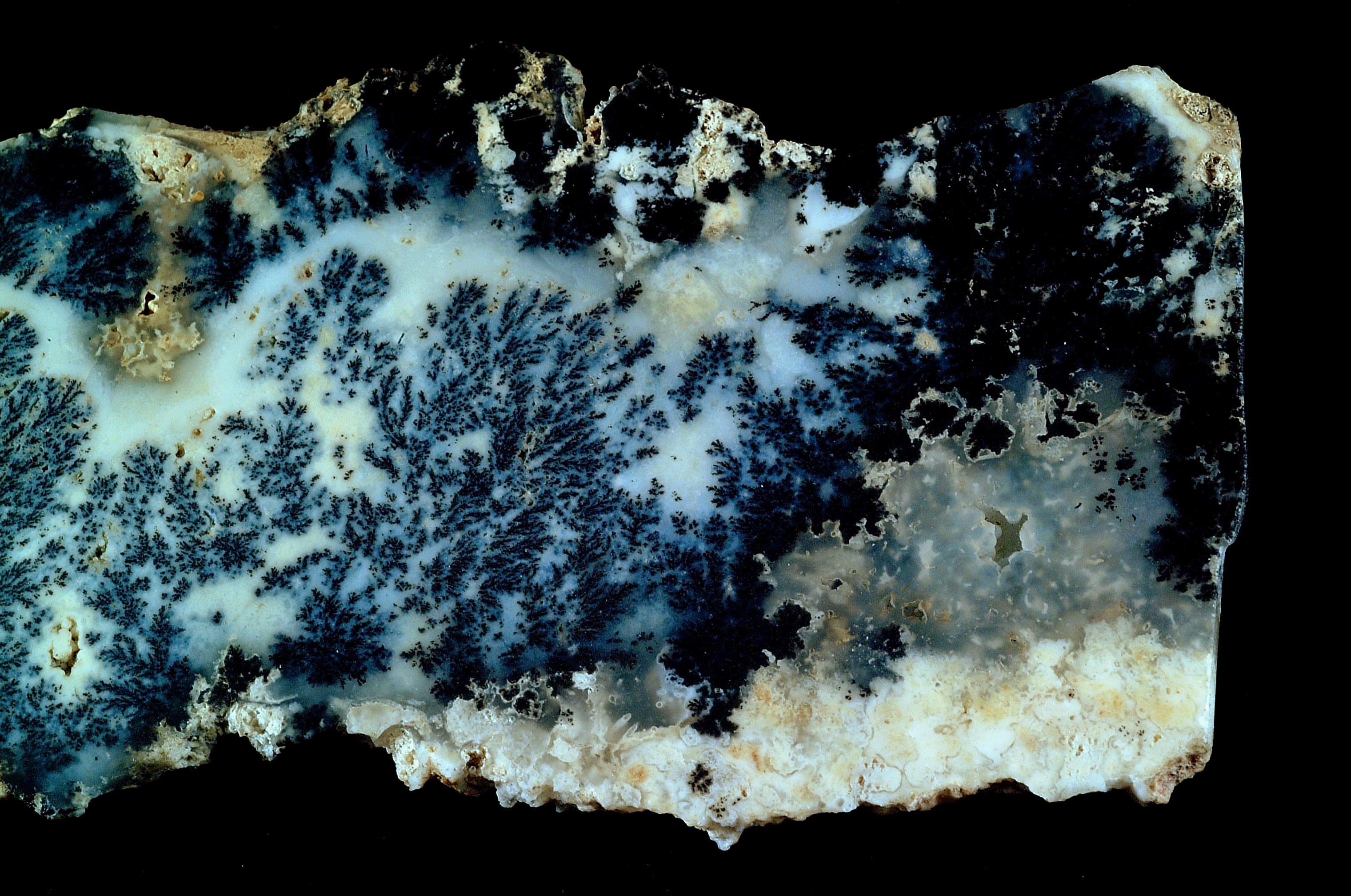
An opaque white chalcedony with green plant-like inclusions, tree agate is the gardener's stone associated with growth and groundedness.
- The green plant-like patterns in tree agate are inorganic chlorite or hornblende minerals, not actual plant matter.
- Tree agate has an opaque white body that distinguishes it from the more transparent moss agate.
- Each tree agate stone is unique; the natural inclusions cannot be reproduced by any human craft.
- Tree agate is one of the most affordable crystal-trade stones, popular in beginner kits and family altars.
- Indian Cambay (Khambhat) has been a major tree agate cutting and trading center for over 150 years.
- Gardeners, farmers, and outdoor workers wanting a daily plant-spirit carry
- Practitioners working with heart-centered grounded growth
- Daily-wear bracelet buyers wanting an affordable nature-themed stone
- Crystal beginners building a starter kit with garden-spirit symbolism
- Family altar builders wanting a calming peaceful display piece
- Buyers wanting transparent gem material (try clear quartz)
- Shoppers seeking bright colors (try red jasper)
- Practitioners wanting dramatic transformative energy (try labradorite)
What Is Tree Agate?
Tree agate is an opaque white chalcedony (microcrystalline quartz) characterized by green inclusions of chlorite, hornblende, or other iron-magnesium silicate minerals that form branching plant-like patterns. It rates 6.5 - 7 on the Mohs hardness scale.
The green inclusions are not actually plant matter but mineral growths that crystallized within the white silica, creating the visual impression of trees, ferns, or moss embedded in stone. The stone is sometimes confused with the related moss agate, which has a more transparent body color.
Geologically, tree agate forms when silica-rich groundwater deposits chalcedony in cavities or fractures of volcanic and metamorphic rocks. Iron-magnesium-rich fluids later infiltrate fine cracks within the chalcedony and deposit green chlorite or hornblende minerals along those pathways.
The opaque white body of tree agate distinguishes it from the more translucent body of moss agate, which has similar green inclusions but in clearer chalcedony.
Most commercial tree agate comes from India (particularly Maharashtra), Brazil, Madagascar, and the USA. The stone is hard enough (Mohs 6.5 to 7) and tough enough for jewelry use, particularly as cabochons, beads, palm stones, and tumbled pieces.
Tree agate takes a soft satin polish rather than a high glassy luster, which complements its earthy character. Bead bracelets and necklaces are the most common commercial products, often combined with other green or earth-toned tumbled stones in chakra layouts.
How Tree Agate Compares
| Property | Tree Agate | Moss Agate | Dendritic Agate |
|---|---|---|---|
| Hardness | 6.5 - 7 | 6.5 - 7 | 6.5 - 7 |
| Price / piece | $ Budget | $ Budget | $ Budget |
| Body | Opaque white | Translucent clear | Translucent cream |
| Best For | Garden practice, beginner | Plant-spirit work | Plenitude, fractal beauty |
Meaning and Symbolism
Tree agate carries one of the most accessible symbolic associations in modern crystal practice: the green plant-like inclusions on a white body are taken visually as symbols of life rooted in clean earth.
Crystal writers commonly call the stone the gardener's stone, emphasizing its reputation for plant practice, garden meditation, and family-altar displays. The stone has no specific cultural lineage but carries a quiet, contemporary sacredness in modern crystal practice tied to nature themes.
The trade name tree agate as a category entered the modern crystal market primarily in the 20th century with Indian commercial production. Earlier classical agate traditions did not specifically distinguish tree agate from moss agate or other inclusion-bearing chalcedonies.
The green inclusions are similar to those in moss agate; the difference is the body color: opaque white in tree agate, translucent clear in moss agate.
Practitioners believe tree agate supports the heart and root chakras with steady grounded growth energy. Many find the stone useful for gardeners, farmers, naturalists, and outdoor workers seeking a tangible carry that connects them to plant life.
Tree agate is also commonly recommended for family-altar building, children's spaces, and beginner crystal kits because of its affordable price, gentle character, and clearly accessible symbolism. The stone is not associated with dramatic transformative work; its reputation is patient, steady, and oriented toward the slow patient growth that mirrors plant cycles.
Historical Timeline
Healing Tradition
Emotional
Practitioners believe tree agate supports steady grounded emotional growth, particularly through connection to plant life and natural cycles. In crystal healing tradition, it is said to ease feelings of disconnection from nature, soothe city-dweller fatigue, and support patience with slow personal growth that mirrors plant cycles.
Many find tree agate useful as a daily-carry stone for urban readers seeking tangible nature connection or for anyone undertaking slow steady self-development work. The stone is often paired with moss agate for layered plant-spirit practice and with rose quartz for soft heart-centered growth.
Because tree agate carries calm earthy white-and-green tones, practitioners often recommend it for sensitive readers and people seeking gentle support rather than dramatic intervention.
It is rarely described as a stone for catharsis or rapid mood shift; its reputation is patient, observational, and oriented toward the long quiet work of building steady well-being. Many readers describe tree agate as a stone that brings the garden indoors.
Spiritual
In crystal healing tradition, tree agate is one of the gentle nature-spirit stones associated with the heart and root chakras. Practitioners believe the stone bridges heart-centered care with grounded physical presence, supporting meditation focused on plant life, garden practice, and the slow growth that characterizes spiritual work over years.
The stone is widely used in family-altar settings, children's rooms, and beginner crystal kits because of its accessible nature symbolism.
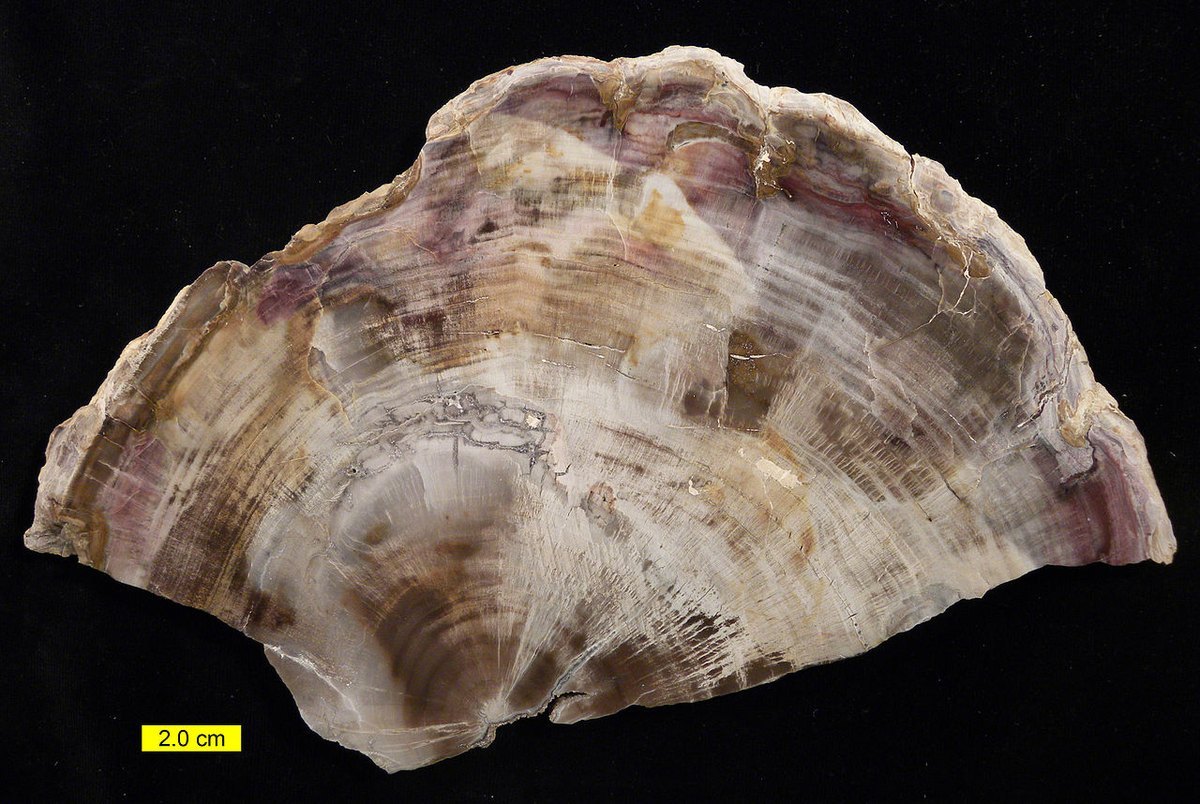
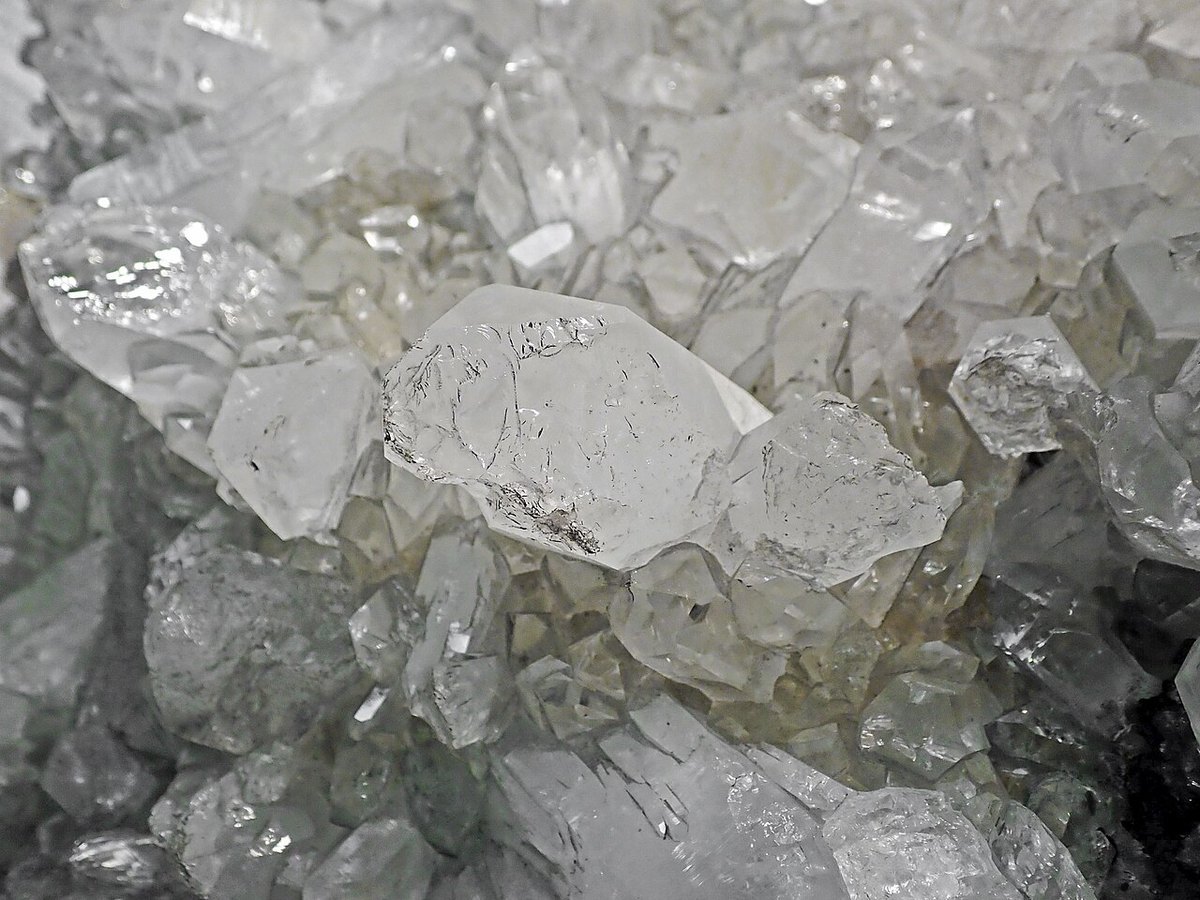
Many practitioners use tree agate during gardening, outdoor walks, or sustained meditation cycles tied to seasonal awareness. The stone pairs naturally with clear quartz for amplification, with moss agate for shared plant-spirit themes, and with petrified wood for combined deep-time grounding.
Its traditional Earth and Mercury associations emphasize patient growth and articulate communication of accumulated experience.
Physical
Practitioners believe tree agate supports what traditions describe as immune resilience, recovery from stress-related fatigue, and the kind of physical regeneration that mirrors slow natural growth cycles. Most physical correspondences are 20th- and 21st-century in origin since tree agate as a specific named stone is a modern lapidary tradition.
Tree agate is not a substitute for medical care, and crystal traditions frame it as supportive rather than curative.
Many readers wear tree agate bracelets during outdoor activities, gardening, or recovery cycles requiring patience with slow improvement. Practitioners sometimes pair tree agate with moss agate for plant-spirit themes and with green aventurine for fuller heart-chakra work.
In contemporary gem therapy, tree agate is sometimes recommended for parents and caregivers as a gentle reminder to slow down to natural pace.
Zodiac, Birthstone and Gifts
Tree agate is not a classical birthstone, but modern crystal writers often suggest it for Virgo readers seeking patient grounded growth and for Gemini readers wanting tangible nature connection. Astrologers traditionally associate the stone with Earth and Mercury for its grounded mental quality.
Taurus readers also respond well to tree agate for its garden-spirit and slow-growth themes. Earth signs broadly find the stone supportive of seasonal practice and patient self-care. Air and water signs often pair tree agate with brighter stones to balance the calm earthy character with renewed energetic flow.
Care and Cleansing
Tree agate is one of the easiest stones to cleanse because it is chemically stable and physically tough. Lukewarm soapy water with a soft brush removes grime safely; rinse and dry with a soft cloth. Ultrasonic and steam cleaners are generally safe for clean tree agate without significant fractures.
Sunlight, moonlight, and dry smoke cleansing (sage, palo santo, cedar) are all considered safe and traditional methods. Many practitioners specifically favor outdoor cleansing for tree agate, placing the stone briefly on natural ground, near a houseplant, or in morning sunlight.
Recharging by burying briefly in soil from a meaningful garden or by resting overnight on a clear quartz cluster is standard practice between major cycles.
- DO clean tree agate in lukewarm soapy water with a soft brush.
- DO NOT use ultrasonic cleaners on stones with visible fractures or fillings.
- DO store tree agate separately from softer stones like opal and pearls.
- DO NOT subject tree agate to sudden temperature changes; thermal shock can cause stress fractures.
- DO request disclosure of any treatments, particularly dye enhancement to deepen green inclusions.
- DO use protective bezel settings for ring wear in active daily lifestyles.
- Note: each stone is unique, so resist sellers claiming exact matched pairs of natural tree agate.
Real vs Fake
Genuine tree agate shows naturally irregular green inclusions of chlorite or hornblende embedded in opaque white chalcedony. The green patterns are unique to each piece, with subtle variation in branching density and spread across the stone.
Imitations made from dyed howlite or printed resin show suspiciously bright green color, sharp geometric pattern repetition, or visible printing dots under 10x magnification.
Color and pattern are key checks. Real tree agate shows soft earthy green inclusions with natural irregularity; the white body is opaque rather than translucent (which distinguishes it from moss agate).
Bright neon green or perfectly uniform color suggests dyed material; a drop of acetone on an inconspicuous green area lifts dye but not natural color.
At home, you can test hardness (tree agate scratches glass easily but is scratched by quartz only with effort), check for natural irregularities in the green branching, and feel the cool dense weight of real silicate against the lighter tap of plastic or resin imitations.
Be cautious of stabilized material impregnated with resin to fill micro-fractures; this is not always disclosed but is detectable by acetone testing on inconspicuous areas.
Some sellers market dyed howlite (a soft white mineral commonly dyed to imitate other stones) as tree agate; the howlite substitute is much softer and lacks the cool dense feel of real chalcedony. For higher-priced larger pieces above 5cm, request locality information; Indian Cambay or Maharashtra provenance is the standard.
Tree Agate Jewelry & Gifts
Tree agate is one of the most affordable stones in the crystal trade. Small tumbled pieces run $1 to $5 each. Cabochons in 20mm to 40mm sizes with strong tree-like inclusions and good polish run $5 to $25.
Larger statement cabochons and slabs above 50mm with dramatic plant patterns can reach $25 to $80 for fine pieces.
Bead bracelets in standard 8mm bead size typically run $5 to $20, with high-quality matching strands reaching $40 for premium pieces. Beaded necklaces in 18-inch lengths run $10 to $30. Carved figures and small sculptures of tree agate vary by craftsmanship and size, often falling between $15 and $100.
Tree agate is generally untreated. Some lower-grade material is dyed to deepen green inclusions or unify color, particularly for budget bead production. Always ask about dye treatment, especially for stones with unusually bright or saturated green colors.
Buy from established crystal dealers or beading suppliers for consistent quality, and avoid bulk discount lots that may include dyed howlite substitutes.
Where to Buy Tree Agate
Affiliate disclosure: Some links below earn us a small commission at no extra cost to you. See our affiliate disclosure page.
Handmade, raw, and tumbled pieces from independent sellers worldwide.
Shop Tree Agate on Etsy →Accessories, tools, and specimen sets with fast Prime delivery.
Shop Tree Agate on Amazon →Certified loose gemstones graded and photographed for online buyers.
Shop Tree Agate on GemSelect →Pairs Well With




Where Tree Agate Is Found


