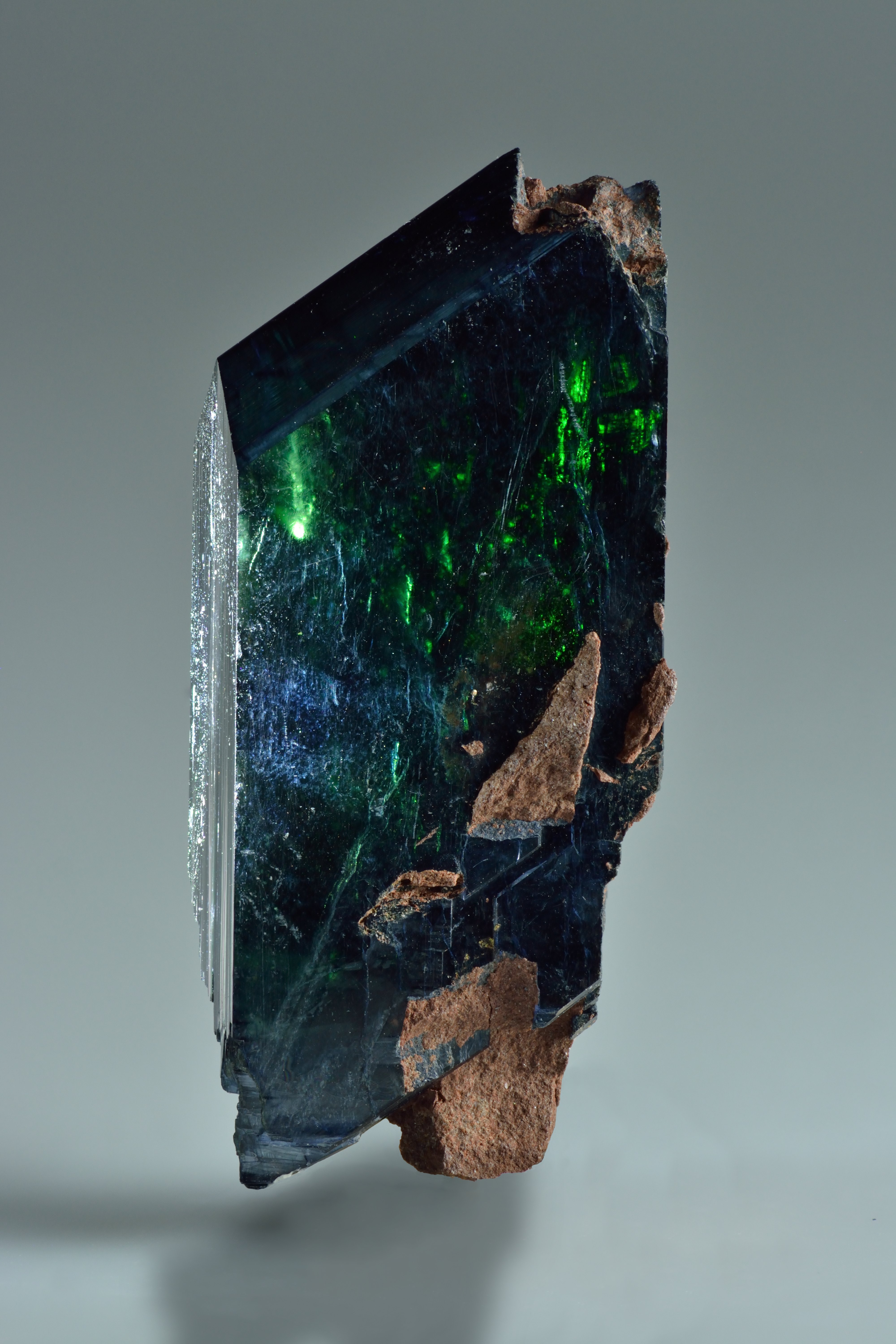
Vivianite
An ultra-fragile iron phosphate that darkens from colorless to deep midnight blue as it ages, prized as a collector's specimen.
- Vivianite was named for British mineralogist John Henry Vivian, who discovered the species in Cornwall, England in the early 1800s.
- Freshly mined vivianite is colorless to pale green and darkens slowly to deep blue and then black on exposure to light.
- Vivianite stains have been found on mammoth tusks recovered from Siberian permafrost.
- The Llallagua tin-mining district in Bolivia produces some of the world's most spectacular vivianite crystals, reaching up to 30 cm in length.
- Vivianite is so soft (Mohs 1.5 to 2) that it can be scratched with a fingernail.
- Serious mineral collectors interested in rare phosphate species
- Practitioners working with deep emotional release and shadow integration
- Specimen-only buyers willing to accept fragile material in display cases
- Pisces and Scorpio readers drawn to deep water-element symbolism
- Museum curators and collectors building rare-mineral cabinet collections
- Anyone wanting jewelry-grade durability (vivianite cannot be worn)
- Buyers who want a stable color (vivianite darkens with light exposure)
- Beginner crystal users (the stone requires careful display and handling)
What Is Vivianite?
Vivianite is a hydrated iron phosphate that forms in two very different geological environments: in iron-rich pegmatites and ore deposits, and in sedimentary settings where decomposing organic material reacts with iron and phosphorus to produce blue crystals on bone, shells, and wood. It rates 1.5 - 2 on the Mohs hardness scale.
The species was first described in 1817 by mineralogist Abraham Gottlob Werner and named after British mineralogist John Henry Vivian. The IMA symbol is Viv.
The stone is famously color-changing in a particular way: freshly mined vivianite is colorless to pale green, but it darkens to deep blue and then almost black on exposure to light over weeks to years. This natural oxidation process can be slowed by storage in dark conditions, but cannot be reversed.
Most museum specimens reach their characteristic deep blue color within a year of mining and continue to darken slowly thereafter.
Vivianite has a Mohs hardness of only 1.5 to 2, which makes it one of the softest gem-related minerals and entirely unsuitable for jewelry. The stone occurs as elongated prismatic crystals that are often quite striking, with the famous Bolivian Llallagua specimens reaching impressive sizes.
Cameroon's Anloua and Mpouma deposits and Ukraine's Kerch Peninsula are also significant sources. Faceted vivianite gems exist but are essentially never worn; cut stones are display objects for collector cabinets and lapidary specialty markets.
How Vivianite Compares
| Property | Vivianite | Azurite | Lapis Lazuli |
|---|---|---|---|
| Hardness | 1.5 - 2 | 3.5 - 4 | 5 - 5.5 |
| Price / specimen | $$ Mid-range | $ Budget | $ Budget |
| Stability | Darkens with light | Stable | Stable |
| Best For | Collector display | Jewelry, decor | Daily wear |
Meaning and Symbolism
Vivianite carries no significant ancient mythology because it was identified relatively recently in 1817, but the stone has developed a unique reputation in modern crystal practice as a gem of deep emotional transformation and the gradual revelation of hidden truth.
Its color-change behavior, in which freshly mined colorless crystals darken slowly to deep midnight blue, is interpreted as a metaphor for the way buried emotional content rises to consciousness over time. Practitioners often describe vivianite as a stone that does its work slowly.
The species has been particularly associated with archaeological discoveries because vivianite forms naturally on bones, shells, and other organic remains buried in iron-rich sediments. Famous occurrences include vivianite stains on mammoth tusks recovered from Siberian permafrost and on prehistoric bone deposits across Europe and the Americas.
This connection to ancient organic material has reinforced the modern crystal tradition that frames vivianite as a stone of ancestral memory and deep time.
In modern crystal practice, vivianite is traditionally associated with the third eye and throat chakras and with the kind of slow, patient emotional work that deals with material long buried beneath everyday awareness. Practitioners believe the stone supports readers cultivating dream practice, journaling, and other slow methods of self-discovery.
Many find vivianite useful as a centerpiece for shadow integration work conducted within a stable spiritual framework, with the stone treated as a focal point rather than a daily companion.
Historical Timeline
Healing Tradition
Emotional
Practitioners believe vivianite is a stone of slow, patient emotional release and the gradual surfacing of buried material into conscious awareness. In crystal healing tradition, it is said to support readers willing to work with grief, ancestral patterns, or long-suppressed feelings over weeks and months rather than expecting quick catharsis.
Many find vivianite useful as a focal point for journaling practice, dream work, or therapeutic processes that emphasize slow self-discovery.
The stone has long been used in modern crystal practice for shadow integration work, especially the kind of work that benefits from steady, ongoing attention rather than dramatic breakthroughs. Practitioners often pair vivianite with rose quartz for self-compassion during difficult discoveries, or with black tourmaline for grounded protection during deep work.
Because vivianite is fragile and rare, the stone is naturally reserved for ritual and meditation use rather than daily carry, which contributes to its reputation as a contemplative gem.
Spiritual
Vivianite is traditionally associated with the third eye and throat chakras together in modern crystal practice. Practitioners believe its deep blue color and slow color-change behavior support the gradual surfacing of intuitive insights into consciousness and the eventual articulation of those insights in words.
It has long been recommended for serious dream-work practitioners and journal-keepers.
Many find vivianite useful in meditation focused on ancestral patterns, deep time, and the recognition of inherited emotional material that has shaped present-day life. The stone's archaeological connections to mammoth tusks and prehistoric bones reinforce its association with ancestral memory work.
Practitioners typically reserve vivianite for ritual contexts rather than continuous wear, treating it as a focal point for occasional deep practice. The stone pairs well with clear quartz for amplified focus and with labradorite for transformation grids.
Physical
Practitioners believe vivianite supports what they describe as the body's slow regenerative processes, with folklore associating the stone particularly with the bones (because of its archaeological connection to bone deposits), the iron content of blood, and the lymphatic system.
It is sometimes recommended in modern crystal healing for readers managing chronic conditions that benefit from slow, patient support rather than fast intervention.
The stone is not a substitute for medical care, and practitioners are careful to frame its role as supportive rather than curative. Because vivianite is so fragile, it is essentially never carried on the body, which limits its physical-association applications to display use in living spaces.
For readers who want similar deep-blue energy in daily wear, lapis lazuli and azurite are practical alternatives, with vivianite reserved for occasional ritual use as a centerpiece on home altars or in meditation rooms.
Zodiac, Birthstone and Gifts
Vivianite is most often associated with Pisces in modern crystal astrology because of its deep water-element character and connection to dream and intuitive work. Practitioners believe the stone supports Pisces readers cultivating sustained meditation, art, or therapeutic practice that draws on subtle inner sources.
It has long been recommended as a focal stone for Pisces shadow integration work.
Scorpio is the secondary association because of vivianite's reputation for deep emotional transformation. Astrologers sometimes suggest the stone for Scorpio readers willing to do slow, patient work with material that other signs might find overwhelming, treating vivianite as a meditation centerpiece during major life transitions or initiations.
Care and Cleansing
Vivianite requires extremely gentle handling and the most careful cleansing approach of any gem-related mineral. The stone cannot tolerate water of any kind, salt, ultrasonic cleaners, steam, or any direct contact cleaning methods.
A soft dry brush used with the lightest possible pressure is the only acceptable physical cleansing method, and even this should be used sparingly to avoid abrading the soft surface.
Energetic cleansing with smoke from sage, palo santo, or cedar is widely used and considered safe for vivianite. Sound cleansing with a singing bowl or tuning fork at moderate volume works well.
Avoid sunlight at all costs, since light exposure accelerates the natural darkening process and can permanently shift the stone toward black. Many practitioners store vivianite in a dark display case or velvet-lined cabinet, with charging done by resting on a clear quartz cluster overnight in a dark room.
- DO NOT submerge vivianite in water of any kind; the stone will eventually dissolve.
- DO NOT expose vivianite to direct sunlight, which accelerates color darkening to near-black.
- DO store vivianite in a dark display case or velvet-lined cabinet.
- DO NOT use ultrasonic, steam, or any contact cleaning methods.
- DO wash hands after handling vivianite, especially material with surface oxidation.
- DO NOT attempt to wear vivianite as jewelry; the stone is too soft and fragile for any setting.
- Note: vivianite is generally safe to handle but is mildly toxic in dust form; wash hands after handling raw specimens.
Real vs Fake
Genuine vivianite shows characteristic deep blue to almost-black color (in mature specimens), prismatic to bladed crystal habit, and extreme softness that allows easy scratching with a fingernail. Under magnification you can often see the stone's distinctive perfect cleavage in one direction and the way light reflects from cleavage surfaces.
Freshly mined material is colorless to pale green, while aged specimens are deep blue, which is one of the diagnostic features of the species.
Common substitute and confused stones include azurite (much harder, different chemistry, brighter blue), lazulite (different crystal habit, harder), and dyed quartz or glass cast as blue prismatic crystals (much harder than real vivianite). A reputable independent gemological lab can confirm the species using refractive index, density, and X-ray diffraction.
The hardness test alone catches most substitutes; real vivianite scratches with a fingernail while almost no substitute does.
At home, look for the prismatic to bladed crystal habit, the perfect cleavage in one direction, the deep blue color (in aged specimens), and the extreme softness. Watch for stones marketed as vivianite that show conventional jewelry hardness, since these are almost certainly different species or imitations.
Reputable sellers disclose the country of origin (Bolivia for Llallagua specimens, Cameroon for Anloua and Mpouma material, Ukraine for Kerch Peninsula stones) and provide storage instructions to protect the buyer's specimen from light damage.
Vivianite Jewelry & Gifts
Vivianite is sold as collector specimens rather than carat-priced gems, with pricing driven by crystal size, quality, color saturation, and origin. Small specimens with single clean crystals run $50 to $200, while larger cabinet specimens with multiple intergrown crystals reach $500 to $2,000.
Exceptional Llallagua, Bolivia specimens with prismatic crystals over 10 cm in length can exceed $5,000 at major mineral shows, and museum-quality pieces command higher prices in private collector circles.
Vivianite is essentially never treated, which is one of its appeals as a natural specimen. Reputable mineral dealers disclose the country of origin (Bolivia, Cameroon, Ukraine, or USA are most common) and provide storage instructions for buyers.
Watch for stones marketed as faceted vivianite at prices that suggest jewelry-grade material; vivianite cannot be worn as jewelry, and any cut stone should be priced as a display piece. supply is highly variable and dependent on small-scale collector mining at a few specific localities.
Where to Buy Vivianite
Affiliate disclosure: Some links below earn us a small commission at no extra cost to you. See our affiliate disclosure page.
Handmade, raw, and tumbled pieces from independent sellers worldwide.
Shop Vivianite on Etsy →Accessories, tools, and specimen sets with fast Prime delivery.
Shop Vivianite on Amazon →Certified loose gemstones graded and photographed for online buyers.
Shop Vivianite on GemSelect →Pairs Well With
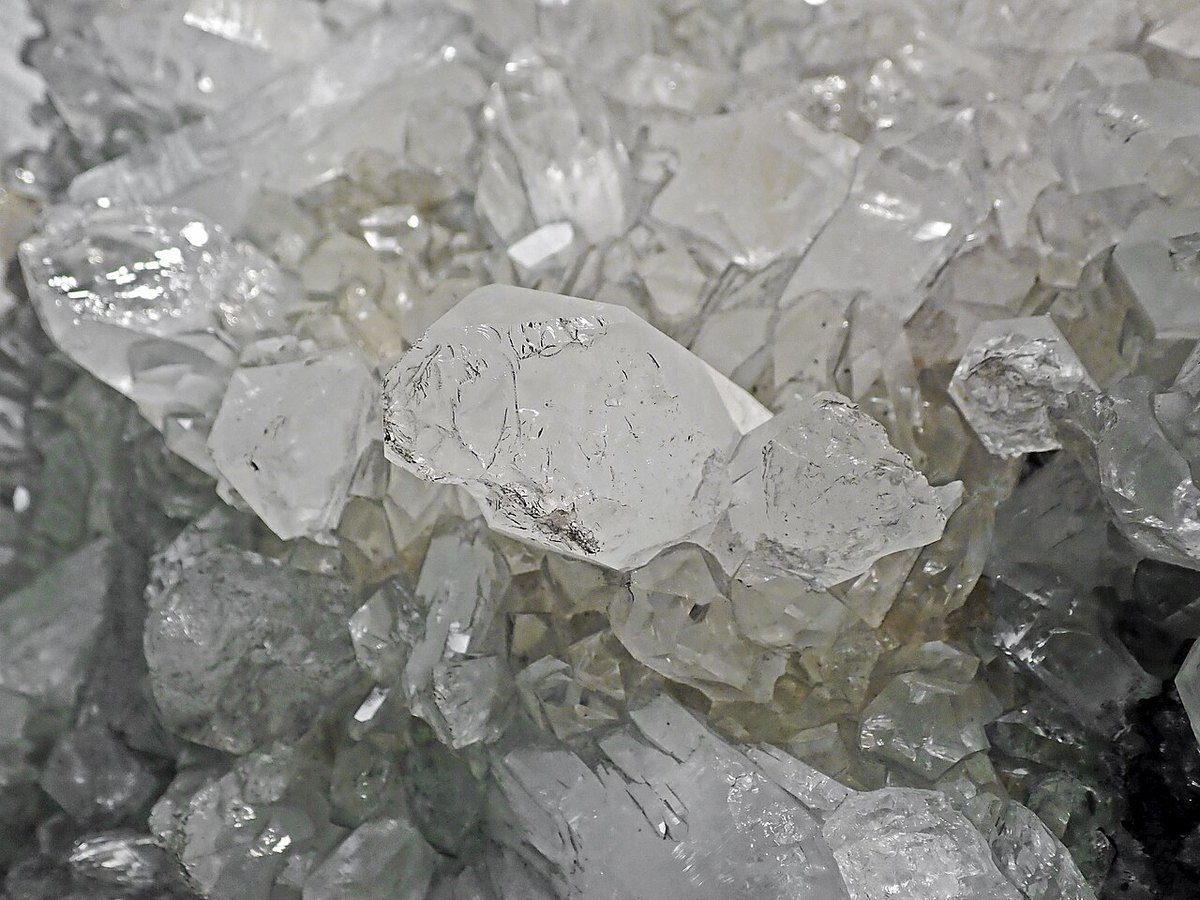


Where Vivianite Is Found


