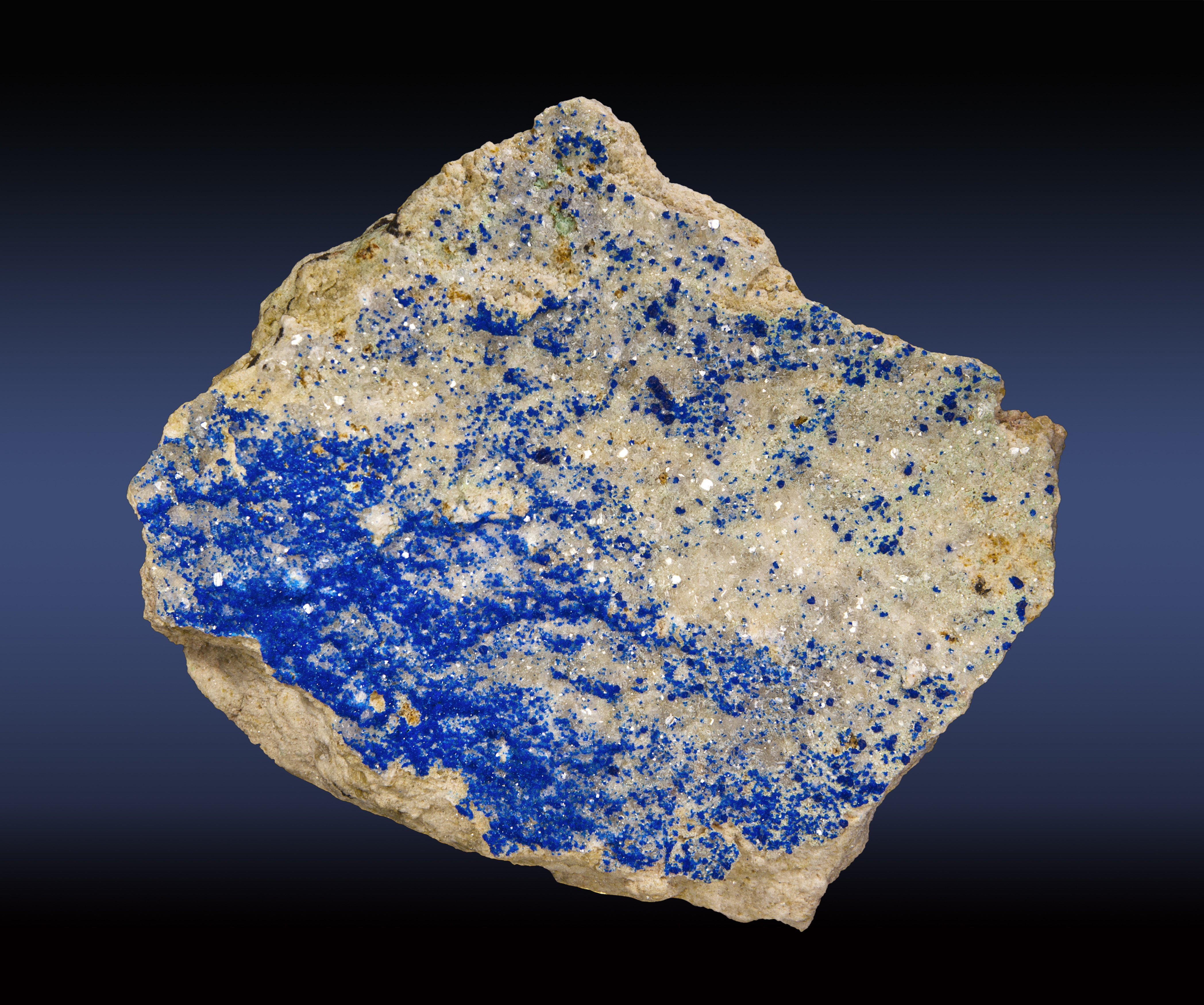
Apophyllite
A glassy zeolite forming pyramid-tipped clusters from Indian basalts, apophyllite is a meditation crystal practitioners associate with calm.
- Apophyllite means flaking off in Greek, named for the way crystals exfoliate when heated and lose water.
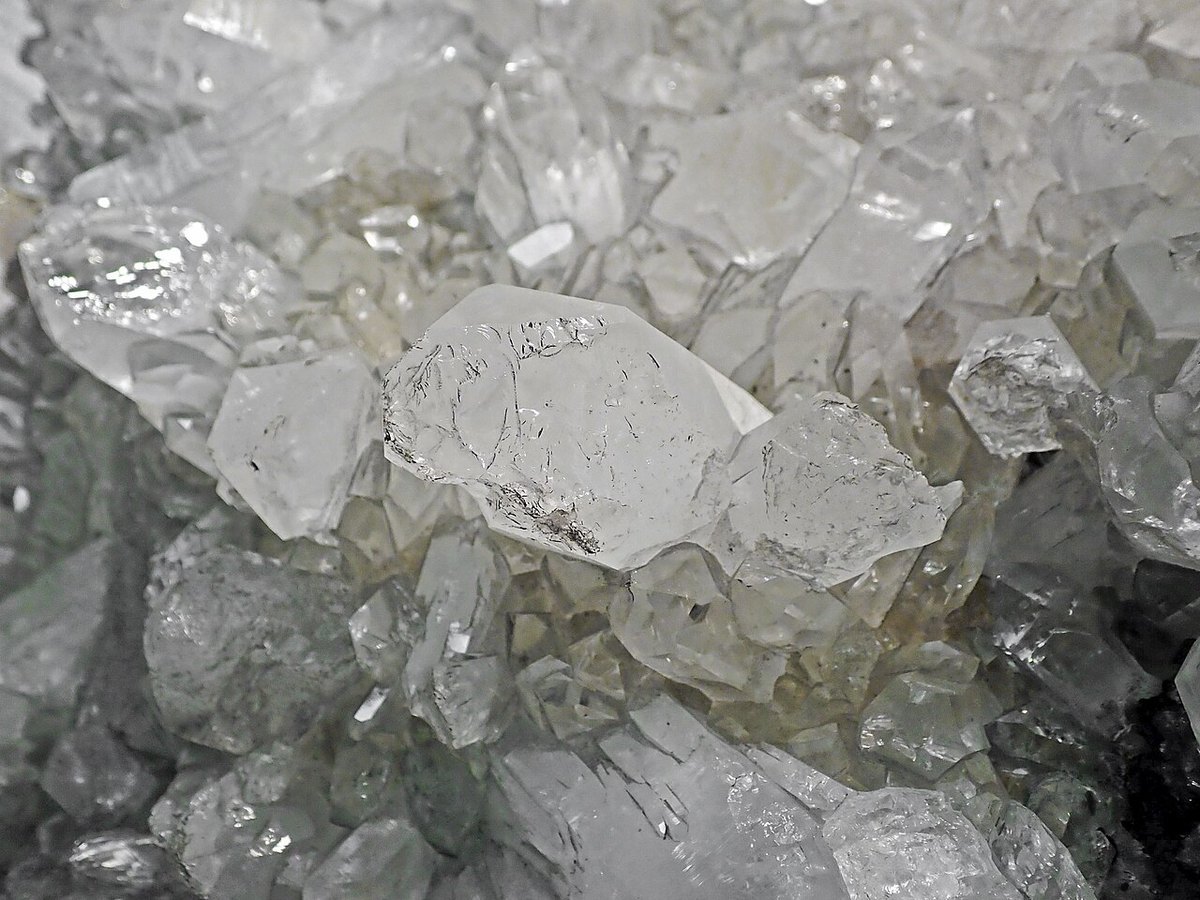
- The pyramid-tipped tetragonal crystals catch and split light into rainbow flashes when held against window light.
- Green apophyllite from India gets its color from trace vanadium and is the most prized variety in the crystal trade.
- Apophyllite belongs to the zeolite group, sharing porous water-bearing structure with stilbite and heulandite.
- Indian apophyllite often forms on stilbite matrix, creating spectacular two-mineral specimens called combo plates.
- Meditators wanting a high-vibration crystal for cushion or altar
- Practitioners working with crown chakra clarity and connection
- Cluster collectors drawn to glittering pyramid-tipped formations
- Reiki and energy workers using crystals to clear practice spaces
- Beginner crystal collectors wanting an affordable specimen-grade piece
- Daily-wear jewelry buyers (too soft and brittle for ring use)
- Anyone needing a water-safe stone (try clear quartz)
- Travelers wanting a pocket carry (clusters chip easily)
What Is Apophyllite?
Apophyllite is a hydrous potassium calcium silicate that belongs to the zeolite group of minerals. The name comes from the Greek apophylliso, meaning to flake off, because the crystals exfoliate when heated, losing their water content and crumbling. It rates 4.5 - 5 on the Mohs hardness scale.
Apophyllite forms in the gas cavities of basalt as a late-stage mineral, often growing alongside stilbite, heulandite, and other zeolites in spectacular crystal-lined geodes.
The most common variety is colorless to white fluorapophyllite, which forms sharp tetragonal pyramids with a glassy luster that catches light brilliantly. Green apophyllite, colored by trace amounts of vanadium, is the most prized variety in the crystal trade and comes almost exclusively from India.
Pink apophyllite from the Poona district is rare and commands collector prices.
Most apophyllite specimens on the market come from the Deccan Traps basalt formations near Pune (Poona) in Maharashtra, India. These basalts, formed from massive volcanic eruptions 66 million years ago, host the world's most important zeolite deposits.
Apophyllite is mined as decorative cluster specimens rather than cut into facets because the stone is too soft (Mohs 4.5 to 5) and too prone to cleavage for jewelry use.
Crystal growth is rapid in the right conditions, and Indian apophyllite often forms in dramatic groups of dozens of pyramid-tipped crystals on a single matrix.
How Apophyllite Compares
| Property | Apophyllite | Clear Quartz | Stilbite |
|---|---|---|---|
| Hardness | 4.5 - 5 | 7 | 3.5 - 4 |
| Price / specimen | $ Budget | $ Budget | $ Budget |
| Form | Tetragonal pyramids | Hexagonal points | Sheaf bowtie clusters |
| Best For | Meditation, altar | Universal amplifier | Heart-centered work |
Meaning and Symbolism
Apophyllite carries meaning shaped largely by its dramatic visual character and modern crystal practice rather than ancient mythology. The stone was formally identified in 1806 by French mineralogist Rene Just Hauy, the same scientist who named epidote.
Because apophyllite was unknown to classical and medieval lapidary traditions, its symbolic reputation comes almost entirely from 20th-century writers.
Modern crystal tradition frames apophyllite as a high-vibration stone associated with clarity, calm, and connection. The pyramid shape of the crystals echoes a long-standing geometric symbol of focused energy across many traditions, and practitioners have built on this association to position apophyllite as a meditation and energy-work tool.
Green apophyllite has acquired a particular reputation as a heart-and-third-eye bridge stone.
Practitioners believe apophyllite supports the crown chakra by clearing mental clutter and creating space for what feels like spiritual reception. Many find it useful as an altar piece during meditation, dream practice, or reiki sessions.
Crystal writers often describe apophyllite as a doorway stone, suggesting that its glassy clarity and pyramidal points symbolize the clear opening between everyday awareness and quieter inner states. It is also commonly recommended for sensitive readers and energy workers who want a calming presence in their workspace.
The stone has no specific cultural lineage but carries a quiet, contemporary sacredness in modern crystal practice.
Historical Timeline
Healing Tradition
Emotional
Practitioners believe apophyllite supports calm emotional clarity during periods of overwhelm or mental clutter. In crystal healing tradition, it is said to clear racing thoughts, settle anxious energy, and create what practitioners describe as quiet receptive space for new perspective.
Many find apophyllite useful as a bedside or meditation-cushion companion during stressful weeks, exam periods, or recovery from emotional intensity. Green apophyllite specifically is traditionally associated with heart-centered emotional release and gentler self-acceptance.
Because apophyllite is delicate and water-sensitive, practitioners use it as an environmental presence rather than a daily-carry stone. It is rarely described as a stone for confrontation or bold action; its reputation is calm, receptive, and supportive of quieter inner work.
Many pair apophyllite with rose quartz for soft heart practice or with lepidolite for layered calming meditation.
Spiritual
In crystal healing tradition, apophyllite is considered a high-vibration stone associated with the crown and third eye chakras. Practitioners believe its glassy pyramidal structure focuses subtle energy upward, supporting meditation, dreamwork, and what practitioners describe as connection to higher guidance.
The stone is widely used in reiki and energy practices to clear treatment rooms before sessions, with cluster specimens placed on altars or in corners of practice spaces.
Many practitioners use apophyllite during morning meditation by placing a cluster within sight to anchor the visual field. Green apophyllite is often chosen for heart-opening work that bridges intellect and feeling, while clear apophyllite is associated with pure crown clarity.
The stone pairs naturally with clear quartz for amplification, with selenite for shared high-frequency calm, and with amethyst for combined meditative practice.
Physical
Practitioners believe apophyllite supports what traditions describe as nervous system regulation, breath quality, and the kind of physical relaxation that follows mental quieting. Most physical correspondences are 20th-century in origin, since apophyllite has no ancient folklore tradition.
Apophyllite is not a substitute for medical care, and crystal traditions frame it as supportive rather than curative.
Many readers keep apophyllite clusters in bedrooms to support what they describe as restful sleep, on yoga mats during practice, or in meditation rooms to anchor a calm atmosphere. Practitioners sometimes use apophyllite as part of breath-focused work, holding gentle attention on the crystal while practicing slow rhythmic breathing.
Its water-sensitive nature means it is not suitable for direct-contact gem elixirs; the indirect method is required if any water-based use is desired.
Zodiac, Birthstone and Gifts
Apophyllite is not a classical birthstone, but modern crystal writers often suggest it for Gemini and Libra, both ruled by Mercury or Venus and associated with mental clarity and balanced reception. The stone's calming, receptive character is said to support these air signs in slowing racing thoughts.
Practitioners also recommend apophyllite for Pisces readers seeking grounded clarity in their meditation practice, and for Cancer readers wanting a calming bedroom or altar stone. Fire signs sometimes find apophyllite too quiet for daily use but valuable as a wind-down companion in evening practice.
Care and Cleansing
Apophyllite requires gentle cleansing methods because the stone is water-sensitive and structurally fragile. Avoid all water-based cleaning: water can dissolve the stone slowly over time, dull its luster, and weaken matrix attachments. Skip ultrasonic cleaners, steam, and saltwater entirely. Dry methods are the only safe approach.
Smoke cleansing with sage, palo santo, cedar, or frankincense is the traditional choice for apophyllite. Sound cleansing with a singing bowl or tuning fork held near the cluster is also safe and frequently used.
Moonlight is a popular gentle recharging method. Practitioners often place apophyllite clusters in moonlight overnight, especially around the new and full moon, treating the lunar exposure as both cleansing and recharging.
- DO NOT clean apophyllite with water, soap, ultrasonic cleaners, or steam.
- DO use dry methods only: smoke, sound, moonlight, or a soft dry brush.
- DO store apophyllite separately from harder crystals to prevent chipping the delicate pyramid points.
- DO NOT expose apophyllite to direct heat sources; the stone can lose water and exfoliate.
- DO handle clusters by the matrix base rather than the fragile crystal points.
- DO display apophyllite in dry environments away from humid bathrooms or direct sunlight.
- Note: matrix bases can be glued to display stands but never use water-based adhesives.
Real vs Fake
Genuine apophyllite shows sharp tetragonal crystal faces with high luster and a characteristic pyramid termination. Real specimens often grow on basalt matrix, frequently with stilbite, heulandite, or other zeolites visible alongside. A stone sold as apophyllite that lacks the geometric pyramidal habit and matrix association may be quartz, calcite, or glass.
Color is another important check. Real green apophyllite from India shows soft pastel green, sometimes uneven across the cluster. Bright neon-green or perfectly uniform green stones are usually dyed, glass-coated, or treated. A drop of acetone on an inconspicuous matrix area will lift dye but not natural color.
At home, you can test hardness gently (apophyllite scratches easily with a copper coin or steel knife), check for the pearly luster on cleavage faces, and feel the slight cool weight of real silicate against the tap-test of glass imitations.
Be cautious of cleaned and reattached pieces sold as natural clusters; specimens with crystals glued back onto matrix are not always disclosed and command much lower fair prices.
For higher-priced green and pink apophyllite specimens, request photographic provenance and ask whether the cluster has been stabilized or repaired. Reputable dealers disclose any restoration.
Apophyllite Jewelry & Gifts
Apophyllite specimen pricing ranges widely by size, color, and crystal quality. Small clear apophyllite clusters under 5cm run $10 to $40. Mid-size clusters of 5cm to 15cm with sharp pyramids and good luster reach $40 to $200, with green apophyllite carrying small premiums.
Larger statement specimens above 15cm with multiple terminated crystals can reach $200 to $1,500 depending on quality.
Pink apophyllite from the Poona district is the rarest variety and commands collector prices: clean specimens above 5cm often start at $300 and exceed $2,000 for fine examples. Green apophyllite on stilbite matrix (combo plates) is widely sought and often runs $50 to $500 for 10cm to 25cm pieces.
Apophyllite is generally untreated. Color is natural, though dyed and coated imitations are present in budget markets. Always ask about treatment, especially for unusually saturated colors or perfectly uniform green tones. Buy from specialist mineral dealers rather than tumbled-stone bulk shops for any specimen above $50, and request locality information when possible.
Where to Buy Apophyllite
Affiliate disclosure: Some links below earn us a small commission at no extra cost to you. See our affiliate disclosure page.
Handmade, raw, and tumbled pieces from independent sellers worldwide.
Shop Apophyllite on Etsy →Accessories, tools, and specimen sets with fast Prime delivery.
Shop Apophyllite on Amazon →Certified loose gemstones graded and photographed for online buyers.
Shop Apophyllite on GemSelect →Pairs Well With



Where Apophyllite Is Found


