Epidote
A pistachio-green silicate named for the hook-shaped crystal face, epidote is traditionally associated with amplifying whatever energy it.
- Epidote's name means increase, chosen because one face of the prism is visibly longer than its opposite.
- Austria's Knappenwand deposit produced lustrous epidote crystals so fine that many are now on permanent museum display worldwide.
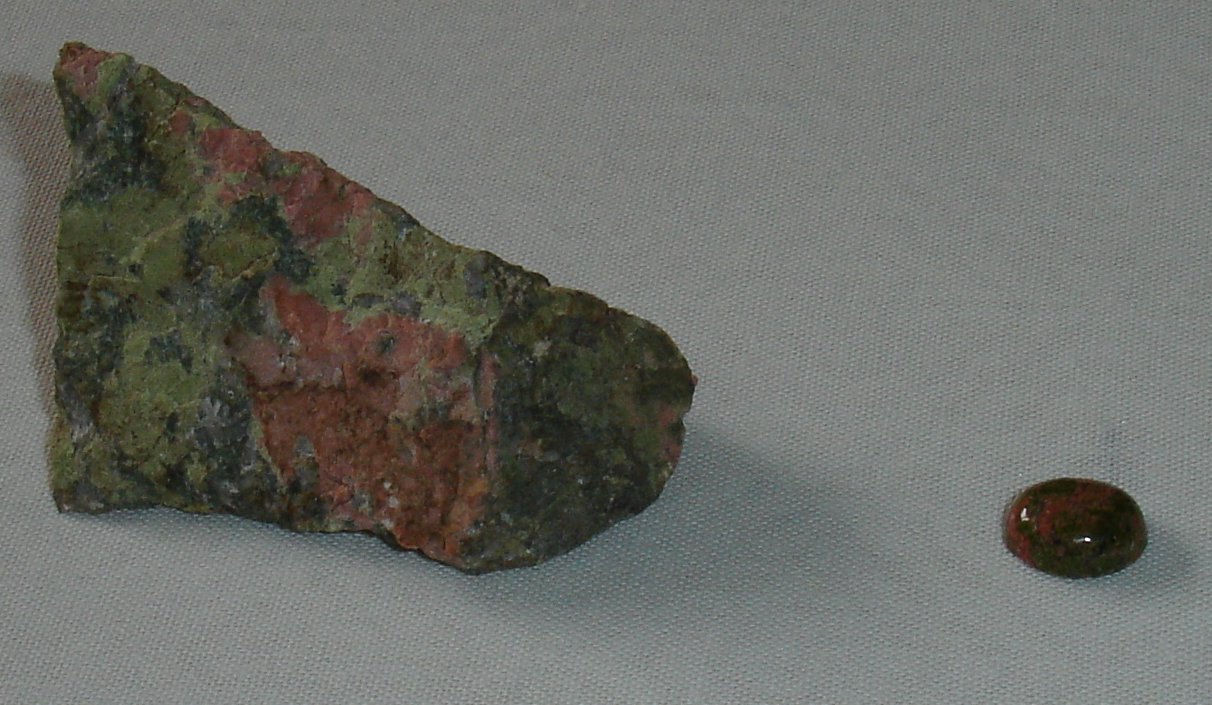
- Epidote forms the green half of unakite, a popular tumbled stone where pink feldspar and green epidote intergrow.
- Strong pleochroism makes faceted epidote appear yellow-green, brown, and olive from different viewing angles.
- Epidote is common in oceanic crust and shows up as green alteration in basalt under metamorphic pressure.
- Practitioners working with manifestation and amplification of focused intent
- Readers drawn to pistachio-green heart stones with an earthy character
- Collectors building a metamorphic mineral reference suite
- Meditators who pair stones with visualization for tangible goals
- Crystal-grid builders needing an amplifier beyond clear quartz
- Buyers wanting a bright transparent collector gem (try peridot)
- Readers working on quick emotional shift (try rose quartz)
- Those seeking a jewelry-first birthstone under $100 (try chrome diopside)
What Is Epidote?
Epidote is a calcium aluminum iron silicate that forms in low- to medium-grade metamorphic rocks and hydrothermal veins. The name comes from the Greek epidosis, meaning increase, referring to the way one side of the prism is visibly longer than the other. It rates 6 - 7 on the Mohs hardness scale.
The mineral was formally described in 1801 by French mineralogist Rene Just Hauy. Epidote is a member of a larger mineral group that includes clinozoisite, zoisite, and piemontite, each differentiated by the ratio of iron, aluminum, and manganese.
Gem-quality epidote appears in color from pistachio green and olive green to yellow-green and nearly black. The signature pistachio tone comes from iron substituting for aluminum in the crystal structure.
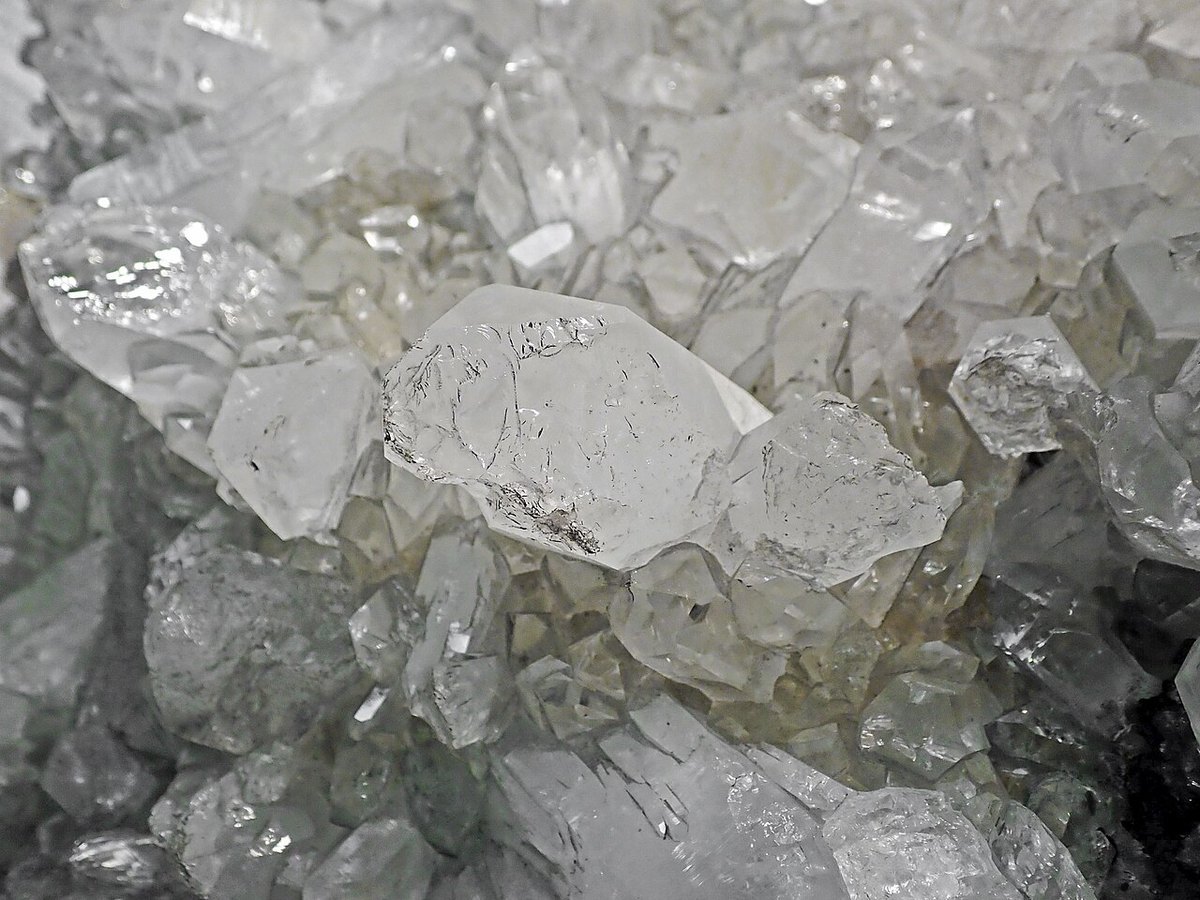
Classic localities include the Knappenwand in Austria's Untersulzbach Valley, where superb specimens were recovered in the 19th century and now sit in major museum collections.
Most epidote sold to crystal buyers is in raw cluster or tumbled form because facet-grade transparent stones are scarce. Faceted epidote is a collector specialty with strong pleochroism, typically shifting from yellow-green to brown to olive depending on angle.
In jewelry, epidote often appears as a component of unakite, a pink-and-green rock combining epidote with pink feldspar.
How Epidote Compares
| Property | Epidote | Peridot | Unakite |
|---|---|---|---|
| Hardness | 6 - 7 | 6.5 - 7 | 6 - 7 |
| Price / carat | $ Budget | $$ Mid-range | $ Budget |
| Rarity | Uncommon faceted | Common | Common |
| Best For | Manifestation, collecting | Jewelry, birthstone | Tumbled stones |
Meaning and Symbolism
Epidote's name is itself a meaning statement. The Greek root epidosis, meaning increase, was chosen by Hauy in 1801 because one face of the crystal extends farther than the other.
Modern crystal tradition has built on that etymology, framing epidote as a stone of amplification and increase. Its reputation is subtle but specific: it is said to strengthen whatever energy is already present, whether that is intention, emotion, or the signature of another stone nearby.
Because epidote is relatively young in gemological history, it has no classical or medieval mythology attached. Instead, its meaning comes from 20th- and 21st-century crystal writers who emphasized the amplification theme.
Practitioners believe epidote is particularly useful for readers who already know what they want and need support carrying the intention through action. It is not traditionally described as a stone of emotional processing or protection.
In contemporary practice, epidote is often paired with stones that carry the specific energy the user wants to amplify: rose quartz for compassion, citrine for confidence, black tourmaline for boundary work.
This amplification reputation is why many practitioners advise caution with epidote: if the user's mood is negative, the stone is said to strengthen that mood as readily as a positive one.
Historical Timeline
Healing Tradition
Emotional
Practitioners believe epidote strengthens whatever emotional state is already present, which is why crystal writers often frame it as a stone for readers in a clear, positive mindset. In crystal healing tradition, it is said to support self-esteem, perseverance, and the ability to stay connected to a chosen goal during slow periods.
Many find epidote useful during long projects that require steady emotional output, such as professional development, creative careers, or parenting through a difficult phase.
Because epidote is said to amplify existing feeling, practitioners generally recommend pausing to check emotional state before working with it. If the current mood is discouraged, frustrated, or anxious, the traditional advice is to shift with a calming stone first, then add epidote once the user feels steady.
This is unlike stones like rose quartz or amethyst, which are traditionally described as transforming or softening emotion.
Spiritual
In crystal healing tradition, epidote is considered a manifestation amplifier that works at the heart and solar plexus. Practitioners believe the stone helps translate heart-felt intent into solar-plexus action, meaning it supports moving from vision to concrete effort.
Modern practitioners sometimes call epidote a stone of increase because it is said to strengthen the signature of any crystal or intention placed nearby.
Epidote is frequently used in crystal grids and manifestation boards because of this amplifier reputation. Many find it more focused than clear quartz, which amplifies broadly; epidote is said to increase whatever specific intention is written or held.
Practitioners commonly work with the stone during new-moon intention-setting or at the start of a defined project, rather than as a daily-carry companion.
Physical
Practitioners believe epidote's grounded green energy supports what traditions describe as stamina, immune resilience, and the slow restoration of personal vitality. Folklore is thin because epidote is a 19th-century identification, so most physical associations come from modern crystal writers.
Epidote is not a substitute for medical care, and crystal traditions frame it as supportive rather than curative.
Many readers choose epidote during long recovery periods, training cycles, or lifestyle changes that require sustained effort. Practitioners sometimes place a cluster near a workout space or desk to symbolize persistence.
In Ayurvedic-adjacent gem traditions, epidote's iron content is linked by sympathetic association to blood and circulation themes, but these correspondences are modern and should be treated as tradition, not clinical guidance.
Zodiac, Birthstone and Gifts
Epidote is not a classical birthstone, but modern crystal writers often recommend it for Gemini and Virgo, both ruled by Mercury. The stone's reputation for increase and focused manifestation is said to resonate with Mercury's themes of communication, learning, and skillful execution.
Some practitioners also suggest epidote for Capricorn readers working on multi-year goals, given the stone's association with persistence. Fire signs like Aries are sometimes advised to introduce epidote gradually, since it is said to strengthen whatever fire is already present. Its earth-element signature pairs naturally with grounded practices.
Care and Cleansing
Epidote is stable in water and tolerates gentle rinsing under lukewarm tap water, followed by a soft-cloth dry. Avoid prolonged soaking because some raw clusters can harbor mineral inclusions that respond poorly to extended moisture. Ultrasonic and steam cleaners are not recommended for clusters or heavily included specimens.
Moonlight, smoke (sage, palo santo, cedar), and sound cleansing with a bell or singing bowl are all considered safe for epidote. Many practitioners consider regular cleansing especially important for epidote because of its amplifier reputation, believing that the stone can carry and strengthen residual intent from previous uses.
Recharging overnight on a clear quartz cluster is standard, and many readers also recharge epidote by placing it on a written affirmation for the next cycle's work.
- DO rinse tumbled epidote in lukewarm soapy water and dry with a soft lint-free cloth.
- DO NOT use ultrasonic or steam cleaners on raw epidote clusters with internal fractures.
- DO store epidote separately from harder stones like sapphire and topaz.
- DO NOT wear epidote rings during sports, gardening, or manual labor.
- DO cleanse epidote regularly given its traditional amplifier reputation.
- DO keep raw clusters out of direct heat; thermal shock can damage fragile specimens.
- Note: pair epidote deliberately; crystal tradition holds that it strengthens whatever energy sits next to it.
Real vs Fake
Genuine epidote is rarely faked because the raw and tumbled market price is low enough that substitution is not lucrative. Most identification errors involve confusing epidote with related group minerals, specifically clinozoisite (paler, with less iron) and zoisite (orthorhombic rather than monoclinic).
A refractive index reading between 1.729 and 1.768 with noticeable birefringence is a solid confirmation.
Real epidote crystals show a distinctive pistachio green with strong pleochroism, yellow-green in one direction and brownish in another, visible under a dichroscope. Black-appearing epidote is common; it simply indicates very high iron content.
Beware of dyed green quartz or glass sold as epidote; a loupe will usually reveal the lack of crystal habit and the uniform color characteristic of dyes.
Faceted epidote is uncommon and should always come with reasonable price and ideally a lab report. A stone marketed as faceted epidote under $20 per carat is likely green tourmaline, peridot, or chrome diopside.
Unakite is not fake epidote; it is a genuine rock that contains epidote mixed with pink feldspar, and should be priced accordingly ($1 to $10 per tumbled stone). For collector specimens from named localities like Knappenwand, always request provenance documentation.
Epidote Jewelry & Gifts
Epidote pricing varies widely by form. Tumbled stones and small raw clusters run $3 to $25 depending on size and color quality. Larger specimen-grade clusters with clean, lustrous crystals can reach $50 to $300. Museum-quality Knappenwand-style specimens trade privately among collectors at significantly higher prices, often four figures and up.
Faceted epidote is a specialty. Small clean faceted stones run $30 to $80 per carat, and larger pleochroic pieces above two carats can reach $100 to $200 per carat. Transparent facet-grade material is scarce enough that good color and clarity above three carats is a genuine collector find.
Epidote is generally untreated. Heat and irradiation are not common commercial practices, and most dealers sell stones in their natural state. Always ask about any treatment and request documentation for higher-priced stones. For grid builders and manifestation kits, tumbled epidote is a cost-effective choice; collectors should focus on named-locality specimens.
Where to Buy Epidote
Affiliate disclosure: Some links below earn us a small commission at no extra cost to you. See our affiliate disclosure page.
Handmade, raw, and tumbled pieces from independent sellers worldwide.
Shop Epidote on Etsy →Accessories, tools, and specimen sets with fast Prime delivery.
Shop Epidote on Amazon →Certified loose gemstones graded and photographed for online buyers.
Shop Epidote on GemSelect →Pairs Well With


Where Epidote Is Found


