Cuprite
Deep red and secretive, cuprite is the copper oxide crystal of grounding vitality and quiet root-chakra strength.
- Cuprite's refractive index of 2.848 is higher than diamond's 2.418, giving polished stones exceptional brilliance.
- The 1973 Onganja mine find in Namibia remains the only commercial gem-quality cuprite deposit discovered.
- Cuprite is chemically copper(I) oxide and is still important as a minor copper ore in mining heritage.
- The mineral often grows in association with native copper, malachite, azurite, and chrysocolla.
- Cuprite-chrysocolla intergrowth stones are marketed as sonora sunset or chrysocolla cuprite for cabochons.
- Mineral collectors drawn to deep red copper-oxide crystal specimens
- Root chakra practitioners wanting an earthy, grounding stone with fire energy
- Readers fascinated by historic mining-era metallurgy and native copper heritage
- Altar-makers seeking a rare, visually dramatic centerpiece crystal
- Advanced crystal workers comfortable handling a soft, fragile specimen
- Daily-wear jewelry buyers (try garnet, red spinel, or ruby for durable red stones)
- Beginner crystal users wanting robust handling stones (try red jasper or carnelian)
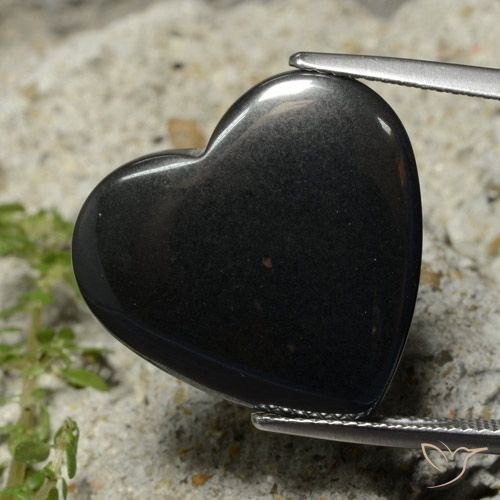
- Buyers looking for budget-friendly common crystals (try hematite or bloodstone)
What Is Cuprite?
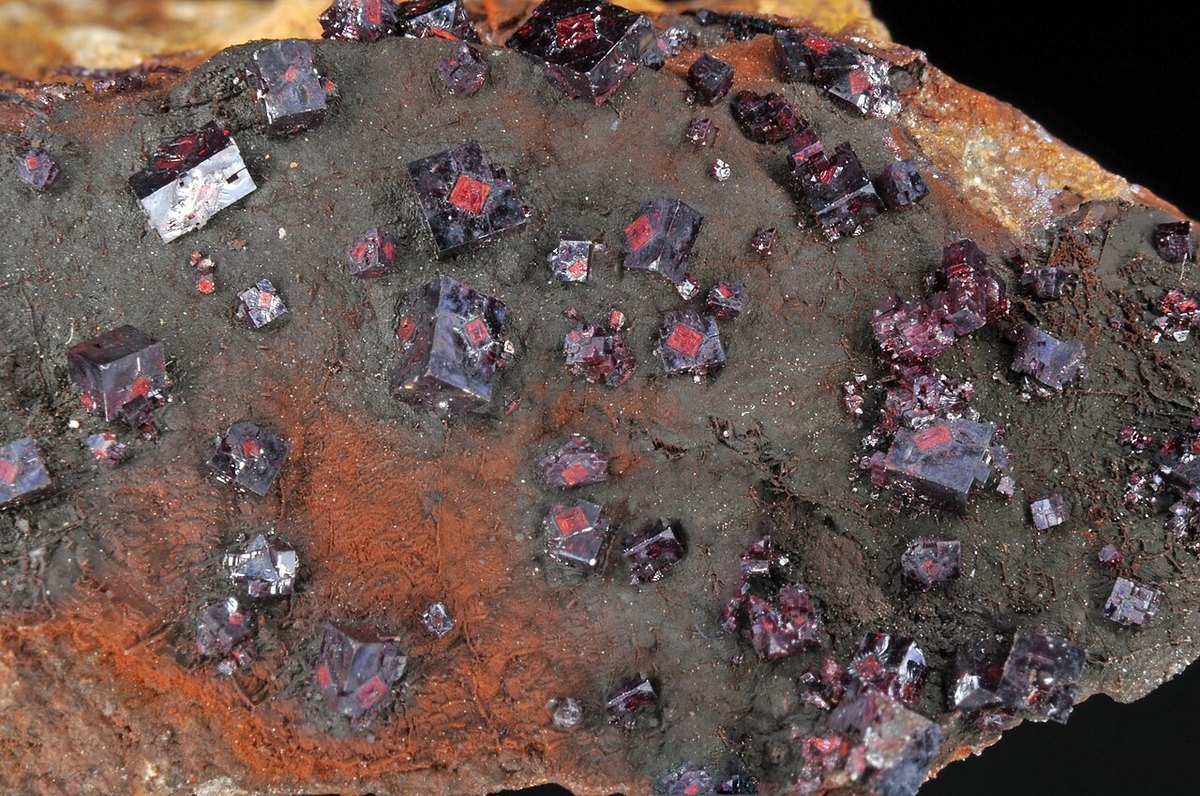
Cuprite is a natural copper(I) oxide mineral with formula Cu2O, forming cubic and octahedral crystals in deep red to red-brown color. The name comes from the Latin cuprum for copper, and the mineral has been an important copper ore throughout industrial history. It rates 3.5 - 4 on the Mohs hardness scale.
Gem-quality faceted cuprite is exceptionally rare because the crystal is soft (Mohs 3.5 to 4) and fragile, making large transparent specimens prized collector items.
Cuprite crystallizes in the isometric system, producing cubes, octahedra, and combinations with adamantine to submetallic luster. Most specimens show the classic red to brownish-red internal color, though thin crystal edges can appear translucent ruby-red when light passes through.
The gem is often found in close association with native copper, malachite, azurite, and chrysocolla.
Faceted cuprite from the Onganja mine in Namibia is considered the world benchmark, producing deep red transparent gems up to 50 carats during a brief mining window in the 1970s. The unusually high refractive index of 2.848 rivals diamond, giving polished stones remarkable brilliance despite the underlying red color.
Cuprite is sometimes found intergrown with chrysocolla, producing a blue-and-red combination material marketed as chrysocolla cuprite or sonora sunset. These pieces are prized for ornamental cabochons and carvings.
How Cuprite Compares
| Property | Cuprite | Garnet (Pyrope) | Red Spinel |
|---|---|---|---|
| Hardness | 3.5 - 4 | 7 - 7.5 | 8 |
| Refractive Index | 2.848 | 1.72 - 1.76 | 1.71 - 1.73 |
| Price / carat | $$ Mid-range | $ Budget | $$ Mid-range |
| Best For | Collector display, altar | Everyday jewelry | Heirloom red stones |
Meaning and Symbolism
Copper has been mined by humans for more than 10,000 years, and cuprite has been recognized as a principal copper ore since ancient times. Sumerian and Egyptian metallurgists worked with copper oxides from the earliest metallic cultures.
Cuprite was formally named as a distinct mineral in 1845 by Austrian mineralogist Wilhelm von Haidinger.
The crystal was prominent in 19th-century mining heritage across Cornwall, Arizona, and the Urals. Large red specimens from these historic mines now reside in major museum collections, treasured for their rarity and dramatic color. The 1970s Onganja find in Namibia produced the finest transparent gem cuprite ever known.
In crystal healing tradition, cuprite is associated with the root chakra and with grounded, quiet vitality. Practitioners describe it as a stone of the earth's fire, said to support steady energy rather than explosive drive. The copper content connects the stone symbolically with Venus in classical metal-planet correspondences.
Many readers use cuprite during low-energy periods, with the stone framed as a gentle root-chakra support. Crystal workers often pair it with hematite or red jasper for grounding practices, or with malachite for full-spectrum copper-family work.
Historical Timeline
Healing Tradition
Emotional
Practitioners believe cuprite supports what they describe as quiet emotional grounding, especially for readers recovering from long burnout. Crystal healing tradition associates the deep red color with steady presence rather than assertive energy, and the stone is often used during slow emotional rebuilding.
Many readers keep cuprite on bedside altars or in quiet meditation corners, with the stone framed as a companion for slow re-entry into daily rhythms. Crystal workers sometimes recommend cuprite for caregiver recovery and for people who have spent long periods supporting others at their own expense.
Crystal workers often pair cuprite with rose quartz for tender self-compassion work or with black tourmaline for grounded protection during depletion recovery. The stone is considered a mature root-chakra support rather than an active intensifier.
Spiritual
In crystal healing tradition, cuprite is linked with the root chakra and secondarily with the sacral chakra. Practitioners describe the copper content as a conduit for what they call earth-fire energy, said to flow through the crystal lattice into grounded creative work.
Many readers use cuprite during meditation focused on ancestral work, lineage healing, and rooted creative projects. The stone has long been associated with Venus through its copper metallurgy, and crystal workers sometimes frame it as a stone of mature sensuality rather than fiery attraction.
Crystal workers often place cuprite at the base of a grid with clear quartz points radiating upward for root-to-crown energy channeling. The stone is traditionally considered a twilight stone, most effective during evening and early-night practices focused on rest and integration.
Physical
Practitioners believe cuprite supports what they describe as general vital energy and steady circulation. Crystal healing tradition associates copper-bearing stones with warmth and blood-related symbolic work, though the stone is not a substitute for medical care.
Many readers keep cuprite on desks during low-energy afternoons, a practice framed as supportive for slow re-ignition of focus rather than acute stimulation. The stone is considered appropriate for caregiver recovery, chronic fatigue phases, and other situations where gentle energy support is preferred over intense amplification.
Crystal workers sometimes recommend cuprite during winter months for readers affected by reduced daylight, treating it as a stone of inner fire that supports steady warmth rather than seasonal stimulation. The stone should be handled carefully because of copper content and soft Mohs rating; avoid direct skin wear during long humid periods.
Zodiac, Birthstone and Gifts
Cuprite is not a traditional birthstone, but astrologers often recommend it for Taurus (for Venus-ruled groundedness), Scorpio (for deep, quiet intensity), and Virgo (for patient rebuilding and careful practice).
The copper content links cuprite traditionally with Venus in classical metal-planet correspondences, making it a favored stone for Venus return cycles and Venus-ruled sign work. Many readers use cuprite during Saturn return and other long maturity-focused astrological transitions.
Care and Cleansing
Cuprite requires very gentle cleaning because it is both soft (Mohs 3.5 to 4) and chemically sensitive. Do not use water-based cleaning methods because copper can oxidize further and liquid can leach from the stone.
Dry soft-cloth wiping is the safest physical cleaning method, with occasional light brushing with a dry soft brush for dust.
Smoke cleansing with palo santo or sage is the preferred energetic method for cuprite. Moonlight charging is safe and widely recommended. Direct sunlight should be limited because extended UV exposure can cause slight color changes in some cuprite specimens over long periods.
Dry salt cleansing is not recommended because salt can accelerate corrosion on copper-bearing minerals. Saltwater soaks should be avoided entirely. Many practitioners cleanse cuprite by placing it briefly on a bed of dry clear quartz chips or selenite planks overnight, methods considered especially safe for fragile copper-family specimens.
- DO NOT submerge cuprite in water, ultrasonic cleaners, or any liquid solvent.
- DO NOT use salt or saltwater cleansing; copper corrodes readily.
- DO store cuprite separately in padded boxes; it scratches easily against other stones.
- DO NOT wear cuprite jewelry during manual tasks or daily rough handling.
- DO keep cuprite out of reach of young children and pets because of copper content.
- DO clean with a soft dry cloth only; avoid all chemical cleaners.
- Note: ask sellers for provenance; most gem-quality cuprite originates from Namibia's Onganja mine.
Real vs Fake
Genuine cuprite shows distinctive cubic or octahedral crystal habit in specimen form, adamantine to submetallic luster, and a specific gravity between 5.85 and 6.15 that is noticeably higher than common silicate gems. The refractive index of 2.848 produces remarkable brilliance in polished stones despite the deep red body color.
Faceted transparent cuprite is exceptionally rare and almost always traces to Namibia's Onganja mine.
Common imitations include red glass, synthetic rutile with orange color, and cheaper garnet or dyed quartz marketed as cuprite to buyers unfamiliar with the stone. Glass imitations show curved gas bubbles and dramatically lower specific gravity (around 2.5). Synthetic rutile has different optical properties and lower density.
Garnet is much harder (Mohs 7 to 7.5) and is easily distinguished by a simple hardness test on unmounted specimens.
Practical at-home checks include testing the stone's heft (cuprite feels distinctly heavy because of high specific gravity), observing the adamantine luster characteristic of the mineral, and examining crystal habit in specimen form for cubic or octahedral shapes.
For valuable faceted pieces or specimens priced above $500, consult a qualified gemologist or mineralogist because cuprite is uncommon enough that many general retail staff cannot identify it reliably. Request Onganja provenance documentation when available.
Cuprite Jewelry & Gifts
Cuprite sits in the specialized collector market rather than mainstream jewelry. Small cabochons and polished pieces typically run $30 to $150, mineral specimens with aesthetic matrix can price from $50 to $500 depending on crystal quality and size, and faceted gem-quality cuprite from Namibia's Onganja mine reaches $200 to $1,000+ per carat.
Larger faceted stones above 5 carats are exceptionally rare and command five-figure prices at major auctions.
Most buyers should treat cuprite as a collector or altar specimen rather than jewelry stone because of its soft Mohs 3.5 to 4 hardness. When buying cabochons or display specimens, look for clean crystal form, good color saturation, and minimal surface oxidation.
Chrysocolla cuprite (sonora sunset) offers more accessible pricing and durability for those wanting to work with the energy without handling fragile specimens. Verify origin with reputable mineral dealers.
Where to Buy Cuprite
Affiliate disclosure: Some links below earn us a small commission at no extra cost to you. See our affiliate disclosure page.
Handmade, raw, and tumbled pieces from independent sellers worldwide.
Shop Cuprite on Etsy →Accessories, tools, and specimen sets with fast Prime delivery.
Shop Cuprite on Amazon →Certified loose gemstones graded and photographed for online buyers.
Shop Cuprite on GemSelect →Pairs Well With




Where Cuprite Is Found


