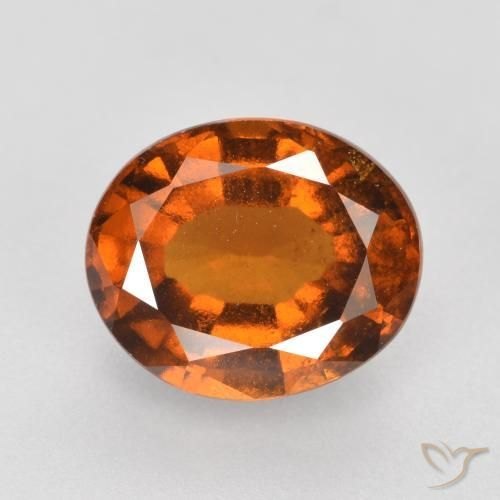
Enstatite
Born in mantle-derived peridotite, enstatite is the magnesium pyroxene stone of quiet endurance and unusual clarity.
- Enstatite's name comes from Greek enstates meaning opponent, referring to its fire-resistance.
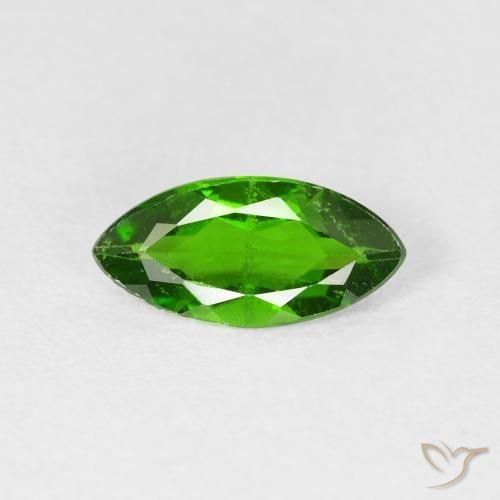
- Chrome enstatite from Tanzania shows vivid green color similar to chrome diopside.
- Star enstatite with four-ray asterism from Myanmar is an exceptionally rare collector form.
- Enstatite is a key component of Earth's mantle and some meteorites called enstatite chondrites.
- The iron-substitution series from enstatite to hypersthene to ferrosilite is continuous.
- Collectors seeking rare pyroxene gemstones with natural variety diversity
- Mineralogy students studying ultramafic and mantle-derived minerals
- Readers drawn to chrome enstatite bright green variety alongside peridot
- Crystal workers interested in grounding stones beyond common hematite
- Gift buyers for mineralogy enthusiasts wanting an unusual specimen
- Daily-wear ring shoppers (Mohs 5 to 6 requires protective settings)
- Buyers seeking famous folklore or birthstone status
- Readers preferring transparent colorful stones (most enstatite is brown-green)
What Is Enstatite?
Enstatite is a magnesium silicate mineral in the pyroxene group, forming orthorhombic crystals typically colored brown, greenish-brown, or rarely chrome-green. The name comes from Greek enstates, meaning opponent, referencing the mineral's resistance to blowpipe fusion in early chemical testing. It rates 5 - 6 on the Mohs hardness scale.
At Mohs 5 to 6, enstatite is moderately durable but requires careful handling because of pronounced cleavage in two directions.
The mineral forms in ultramafic igneous rocks, mantle-derived peridotites, and high-grade metamorphic rocks. Iron substitution produces a continuous series from pure enstatite through hypersthene to ferrosilite. Gem-quality transparent enstatite is uncommon, and most specimens are cut as collector pieces rather than commercial jewelry.
Refractive index of 1.650 to 1.680 gives faceted stones good brilliance when clean.
Major commercial sources include Myanmar (historic benchmark), Tanzania, India, and the United States. Chrome enstatite from Tanzania shows vivid green color similar to chrome diopside and commands premium prices. Star enstatite with four-ray asterism from Myanmar is a rare collector form.
Most enstatite on the commercial market is brown to greenish-brown, with chrome enstatite representing a small but distinct premium segment.
How Enstatite Compares
| Property | Enstatite | Peridot | Chrome Diopside |
|---|---|---|---|
| Hardness | 5 - 6 | 6.5 - 7 | 5 - 6 |
| Price / carat | $ Budget | $ Budget | $ Budget |
| Rarity | Rare (chrome very rare) | Moderate | Moderate |
| Best For | Collector specimens | Daily wear jewelry | Faceted pendants |
Meaning and Symbolism
Enstatite has no ancient folklore because the mineral was only formally described in 1835. Its meaning has been built in modern crystal healing tradition and in collector mineralogy. The stone is associated with mantle-origin energy, connecting it symbolically to Earth's deep layers and to the slow processes that generate mountains and continents.
In modern crystal healing tradition, enstatite is associated with grounded endurance, mental stability, and the patience to work on long projects. Practitioners often describe it as a stone for readers navigating lengthy challenges that require consistency rather than brilliance.
Its pyroxene family relationship to chrome diopside and spodumene gives enstatite a place in crystal practice focused on mineral family collaboration.
Enstatite is also associated with the root chakra in modern tradition, alongside black tourmaline and hematite. The stone's brown to green color palette and grounded origin make it a natural fit for earth-element work, though its rarity keeps it outside mainstream crystal retail.
Collector appreciation for enstatite has grown steadily in recent decades.
Historical Timeline
Healing Tradition
Emotional
Practitioners believe enstatite is a stone of steady endurance, traditionally associated with consistency, mental stability, and the patience to work through long challenges. In crystal healing tradition, it is said to support readers on multi-year projects, extended recovery periods, or slow-moving career transitions.
Many readers keep a small enstatite cabochon on a desk as a quiet reminder of steady progress. Practitioners often pair enstatite with smoky quartz for grounded mental clarity and with hematite for iron-symbolism stamina work.
Crystal workers typically describe enstatite as a quiet, reliable presence rather than a dramatic one, fitting for readers who value persistence over flashy breakthroughs. Its rarity also makes enstatite a collector piece rather than daily-wear jewelry, and practitioners often treat their specimen as a symbolic object rather than a constant companion.
Spiritual
In crystal healing tradition, enstatite is linked with the root and solar plexus chakras, zones practitioners associate with grounded willpower and steady personal power. The stone's mantle-origin connection is read as a symbol of deep earth energy in modern practice.
Many readers use enstatite as a focal anchor during long-term intention work, particularly for multi-year goals or legacy projects.
Practitioners often describe enstatite as a mountain stone, suitable for readers engaged in lasting creative or spiritual work. Crystal workers sometimes pair enstatite with clear quartz in amplified intention grids where patience is needed.
The pyroxene family connection also links enstatite to chrome diopside and kunzite in combined mineral-group work. Because enstatite is relatively obscure, its modern crystal meaning remains flexible and open to personal interpretation.
Physical
Practitioners believe enstatite is traditionally associated with bone and muscle endurance, joint stability, and what they describe as slow-rebuilding physical strength. Folklore links the stone with recovery from injury that requires extended patience and with general skeletal stamina, framed as supportive accompaniment rather than medical intervention.
Many readers hold enstatite during recovery-focused meditation or rest it near the body during guided relaxation. The stone is not a substitute for healthcare and practitioners are consistent in describing its role as accompanying rather than treating.
Some crystal workers suggest enstatite for aging readers seeking a tangible reminder of ongoing physical capability. Because enstatite is relatively soft and fragile, direct-contact practices are limited to held and rested-nearby work rather than vigorous wear.
Zodiac, Birthstone and Gifts
Enstatite is not a traditional birthstone, but modern astrologers often associate it with Virgo for the sign's practical work ethic and with Capricorn for its long-term discipline and endurance.
For Virgo readers working on detail-intensive projects, enstatite is often recommended as a quiet desk anchor. Capricorn readers pursuing multi-year goals tend to find enstatite symbolically resonant with their patient ambition. Practitioners sometimes pair enstatite with garnet for Capricorn and with amazonite for Virgo in zodiac kits.
Care and Cleansing
Enstatite requires gentle cleansing because of its moderate hardness and cleavage tendency. Warm soapy water with a soft brush is safe for cabochons and set pieces. Avoid ultrasonic and steam cleaners because vibration and heat can propagate along cleavage planes. Saltwater should be avoided on set pieces.
Moonlight, sound cleansing with a singing bowl, and smoke cleansing with palo santo or sage are all traditional and safe. Many practitioners rest enstatite on selenite plates overnight as a preferred energetic cleansing method that avoids mechanical handling entirely. Dry salt cleansing for a few hours is acceptable but generally not preferred.
Sunlight is tolerated and does not fade enstatite, so brief sun bathing is safe. Long-term storage in direct sunlight causes no damage. For collector specimens, museum-style display cases with indirect lighting are preferred to avoid scratches from dust or handling, rather than from light concerns.
- DO store enstatite in a soft pouch separately to prevent scratches.
- DO NOT use ultrasonic or steam cleaners because of cleavage-plane risk.
- DO set enstatite in protective bezel mountings rather than prong settings.
- DO clean enstatite in warm soapy water with a soft brush as standard practice.
- DO NOT subject enstatite to sharp impacts that could trigger cleavage.
- DO handle chrome enstatite carefully; the color is valuable and the stone is relatively fragile.
- Note: most enstatite is a collector stone rather than commercial jewelry gem.
Real vs Fake
Genuine enstatite shows characteristic brown to greenish-brown color (or bright chrome-green in the chrome enstatite variety), with refractive index 1.650 to 1.680 and specific gravity 3.20 to 3.30 confirming pyroxene identification. Under a 10x loupe, natural enstatite often shows mineral inclusions and distinctive cleavage planes.
Common confusions include chrome diopside, brown zircon, and peridot. Chrome diopside has slightly higher refractive index and different pleochroism. Peridot shows distinctive double refraction. Lab identification is recommended for significant purchases.
Synthetic enstatite is not commercially produced because natural material is available in small quantities. For collector pieces, especially chrome enstatite or star enstatite specimens, a laboratory report confirms identity, origin, and chromium content for the valuable green variety. Reputable sellers provide this documentation for premium pieces.
Enstatite Jewelry & Gifts
Enstatite is priced as a collector specialty. Common brown enstatite faceted stones typically cost $20 to $80 per carat. Chrome enstatite from Tanzania runs $80 to $250 per carat for vivid color stones. Star enstatite from Myanmar and other asterism varieties can reach $300 per carat or more for exceptional examples.
Raw specimens in matrix are separately collectible and often priced by size and crystal formation rather than weight alone.
Treatment is generally absent in enstatite. Natural color is the commercial standard and heat or irradiation is not commonly applied. For collector purchases, favor specimens with strong color, good clarity if transparent, and intact crystal form if raw.
Ask reputable sellers about origin (Myanmar, Tanzania, Indian, American) and whether chrome content has been verified through spectroscopic testing for green specimens.
Where to Buy Enstatite
Affiliate disclosure: Some links below earn us a small commission at no extra cost to you. See our affiliate disclosure page.
Handmade, raw, and tumbled pieces from independent sellers worldwide.
Shop Enstatite on Etsy →Accessories, tools, and specimen sets with fast Prime delivery.
Shop Enstatite on Amazon →Certified loose gemstones graded and photographed for online buyers.
Shop Enstatite on GemSelect →Pairs Well With



Where Enstatite Is Found


