
Purple Apatite
Rare violet to purple apatite with a depth of color that feels like holding concentrated twilight in your hand
- Maine's Oxford County region produces an extraordinarily diverse range of gem minerals from its pegmatites, including purple apatite alongside tourmaline, beryl, and topaz.
- Purple color in apatite is produced by manganese substitution - the same element that creates violane diopside's violet color and kunzite's pink tones.
- Purple apatite from Maine is sometimes found with purple tourmaline (rubellite) in the same pegmatite - two different purple gems growing in the same geological environment.
- Some purple apatite specimens show pleochroism - different colors when viewed from different crystallographic directions, appearing violet from one angle and colorless from another.
- Purple is the rarest commercially available apatite color; blue and green are far more abundant in the gem trade.
- Crown and third eye chakra work
- Apatite variety collectors completing their color set
- Purple gem enthusiasts seeking unusual species
- Spiritual meditation and contemplative practice
- Display specimens with rare coloring
- Everyday ring wear (choose amethyst or tanzanite for wearable purple)
- Buyers wanting rich saturated purple (purple apatite tends toward muted violet)
- Gem collectors unfamiliar with soft mineral care
What Is Purple Apatite?
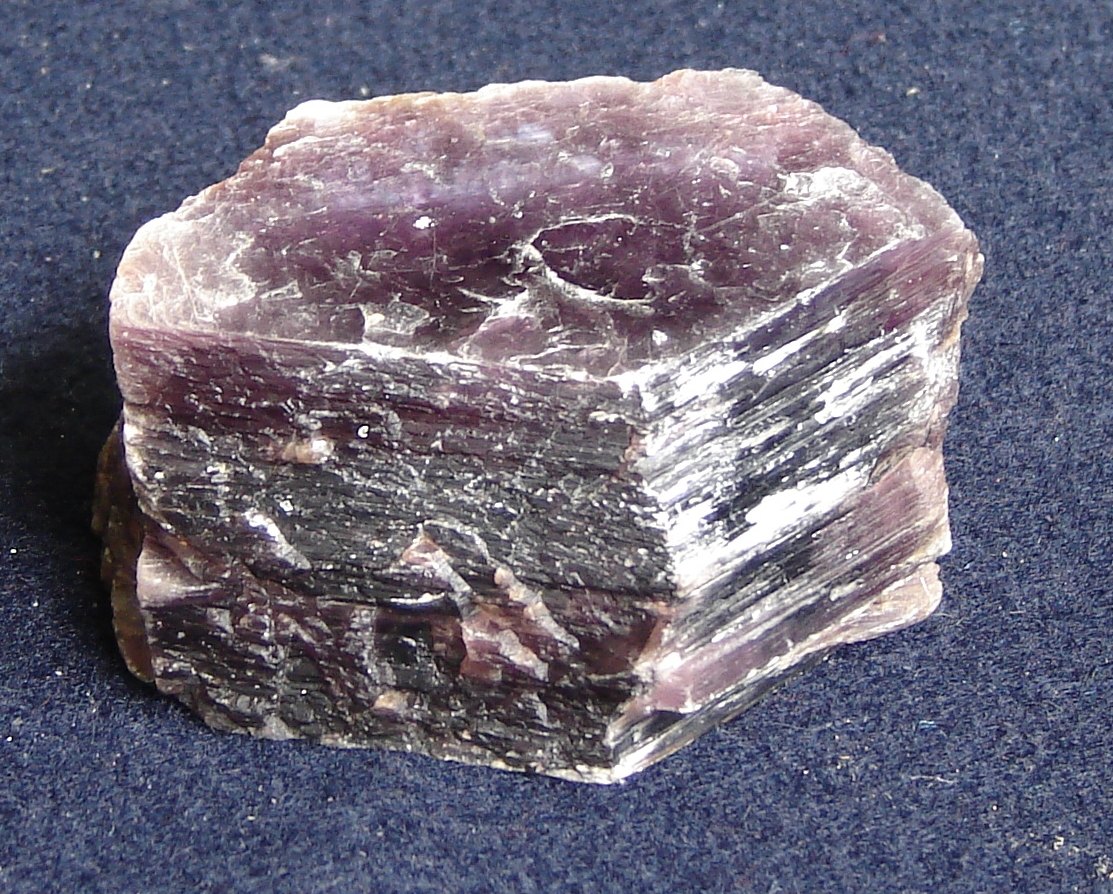
Purple Apatite is among the rarest color varieties of gem apatite, displaying violet to pale purple body color that comes from trace manganese and rare-earth element interactions within the hexagonal calcium phosphate structure. Unlike neon blue or vivid green apatite, purple specimens tend toward softer, more muted tones.
Maine, USA is particularly associated with fine purple apatite, producing specimens with a distinctive lilac quality from pegmatite deposits in the Oxford County region. Brazil and Canada also produce purple material but in smaller quantities.
The relative rarity of saturated purple apatite compared to blue and green varieties makes it a specialist collector piece.
Purple apatite is occasionally faceted for earrings and pendants, but more commonly encountered as crystal specimens or rough material. Its Mohs 5 hardness limits jewelry use, but its unusual color makes it meaningful in crystal healing collections and meditation practice.
How Purple Apatite Compares
| Property | Purple Apatite | Amethyst | Tanzanite |
|---|---|---|---|
| Hardness | 5 | 7 | 6.5 |
| Price/ct | $ Budget | $ Budget | $$ Mid-range |
| Color | Muted violet-purple | Rich purple | Vivid blue-violet |
| Best For | Rare species collector | Classic purple jewelry | Premium vivid purple |
Meaning and Symbolism
Purple Apatite is traditionally associated with spiritual insight, inner wisdom, and the capacity to see beyond ordinary perception into deeper layers of reality. Its violet color connects it to the crown and third eye chakras, where practitioners believe it supports meditative depth and the integration of higher perspectives into everyday understanding.
Practitioners describe purple apatite as a stone that dissolves the boundary between intellectual knowing and intuitive wisdom - helping the bearer move from understanding something theoretically to knowing it in a bone-deep, experiential way.
It is said to be particularly useful for people who live primarily in their heads and struggle to access felt inner knowing.
The stone is also associated with spiritual service and the transmission of wisdom - qualities that some traditions connect to the 'teacher's aura' and the capacity to hold space for others' growth and transformation.
Historical Timeline
Healing Tradition
Emotional
Purple apatite is traditionally associated with the integration of complex emotional experiences into wisdom rather than simply letting them pass as isolated events. Practitioners believe it supports the reflective work of finding meaning in difficult experiences - not bypassing the feelings but metabolizing them into understanding.
It is said to be particularly supportive for intellectually oriented people who analyze their feelings but struggle to integrate them at a deeper embodied level. Some crystal healers describe it as a bridge between the thinking mind and the wisdom body.
Spiritual
Spiritually, purple apatite is thought to activate the third eye and crown chakras with a quality of refined, sustained attention rather than explosive opening. Practitioners describe it as excellent for deepening existing meditation practices, particularly for those who already have some meditative foundation but want to move into subtler perceptual states.
Some traditions link it to clairvoyance and the ability to receive guidance through visual and intuitive channels. It is said to strengthen the contemplative faculty - the ability to hold a question in sustained, open-minded awareness without forcing premature answers.
Physical
Purple apatite carries apatite's traditional associations with the nervous system and neurological health in crystal healing frameworks. Its crown and third eye color connections link it in some traditions to brain function, pineal gland health, and the body's production of regulatory hormones.
Practitioners sometimes suggest it for people experiencing mental fog, difficulty with concentration, or the aftermath of cognitive overload. These are traditional beliefs only; purple apatite is not a medical treatment.
Zodiac, Birthstone and Gifts
Sagittarius, the sign of philosophical wisdom and truth-seeking, resonates with purple apatite's traditionally wisdom-integrating properties - supporting the sign's love of higher knowledge with a deepening quality that moves understanding from theory to lived experience.
Pisces benefits from purple apatite's crown and third eye activation, which supports the sign's natural spiritual sensitivity with additional clarity and structure. Aquarius, often drawn to unconventional spiritual approaches, may find purple apatite's rare, specialist quality aligned with its preference for discoveries outside mainstream awareness.
Care and Cleansing
Sound cleansing with a high-frequency singing bowl tuned to the crown chakra range is the safest and most resonant method for purple apatite. Moonlight exposure on a soft cloth surface is appropriate; avoid rough outdoor surfaces that could scratch the Mohs 5 stone.
A very brief cool water rinse is acceptable; dry immediately and avoid salt water or acidic cleaners.
- DO store purple apatite separately in a soft padded pouch - at Mohs 5 it will be scratched by virtually every other gemstone.
- DO NOT use ultrasonic or steam cleaners.
- DO NOT expose to prolonged direct sunlight as manganese-bearing minerals can sometimes experience color change under extended UV.
- NOTE that purple apatite is primarily suited for display, meditation, and protective earring or pendant settings - not everyday ring wear.
- DO NOT expose to salt water or acidic cleaners.
Real vs Fake
Genuine purple apatite typically has a muted, slightly dusty violet color - not the bright saturated purple of glass or dyed amethyst simulants. Apatite's RI of 1.628 to 1.649 distinguishes it from amethyst (RI 1.544 to 1.553), glass, and synthetic purple stones under refractometer testing.
At Mohs 5, genuine purple apatite will be scratched by a steel knife blade; amethyst (Mohs 7) will not - this simple test distinguishes common amethyst-substitute fraud. Purple apatite from Maine should show the characteristic hexagonal crystal habit of apatite species in specimen form.
Dyed purple chalcedony may be offered as purple apatite; chalcedony tests at lower RI (1.535 to 1.539) and shows different luster under gemological examination.
Purple Apatite Jewelry & Gifts
Purple apatite is a specialist collector purchase; expect $10 to $60 per carat for faceted material, with vivid color and good clarity commanding higher prices. Maine material with documented locality provenance commands premiums in collector markets; ask dealers to confirm origin.
Color depth matters most: deeper violet-purple specimens are rarer and more valuable than pale lavender material that is more commonly available. Purple apatite is primarily available at mineral shows, specialist gem dealers, and online collector platforms rather than mainstream jewelry retailers.
For crystal specimens, look for well-formed hexagonal prisms with deep, even color and minimal surface damage; matrix specimens with interesting host rock associations add display value.
Where to Buy Purple Apatite
Affiliate disclosure: Some links below earn us a small commission at no extra cost to you. See our affiliate disclosure page.
Handmade, raw, and tumbled pieces from independent sellers worldwide.
Shop Purple Apatite on Etsy →Accessories, tools, and specimen sets with fast Prime delivery.
Shop Purple Apatite on Amazon →Certified loose gemstones graded and photographed for online buyers.
Shop Purple Apatite on GemSelect →Pairs Well With


Where Purple Apatite Is Found


