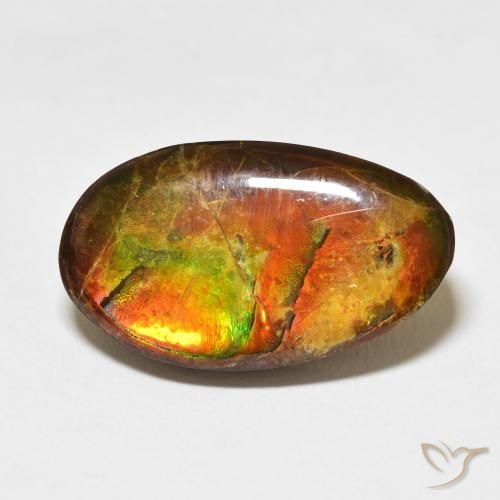
Amblygonite
A soft honey-yellow lithium phosphate, amblygonite is the collector's gentle gem of calm expressive clarity.
- Amblygonite's name derives from Greek for blunt angle, referring to its obtuse cleavage geometry.
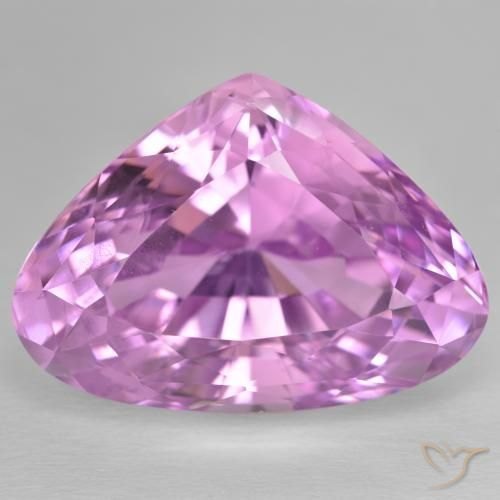
- The stone is a minor lithium ore related to lepidolite and kunzite.
- Brazilian Minas Gerais pegmatites produce the world's finest gem-quality amblygonite.
- Amblygonite shows perfect cleavage in multiple directions, making cutting challenging.
- The mineral was formally described in 1817 from German Saxony deposits.
- Gem collectors drawn to rare soft-yellow faceted stones
- Readers interested in lithium pegmatite mineralogy
- Throat chakra practitioners seeking a gentle uncommon alternative
- Altar-makers wanting a pale honey-toned cabochon or faceted stone
- Advanced crystal workers exploring less-mainstream lithium minerals
- Daily-wear jewelry shoppers (try citrine, yellow sapphire, or topaz)
- Beginners wanting common healing stones (try citrine for sacral yellow work)
- Those needing durable engagement stones (amblygonite is softer than quartz)
What Is Amblygonite?
Amblygonite is a lithium sodium aluminum phosphate with formula (Li,Na)AlPO4(F,OH). The mineral forms in lithium-rich pegmatite environments and was first described in 1817 by German mineralogist August Breithaupt from material at Saxony. The name derives from Greek amblys (blunt) and gonia (angle), referring to the obtuse cleavage angles of the crystal.
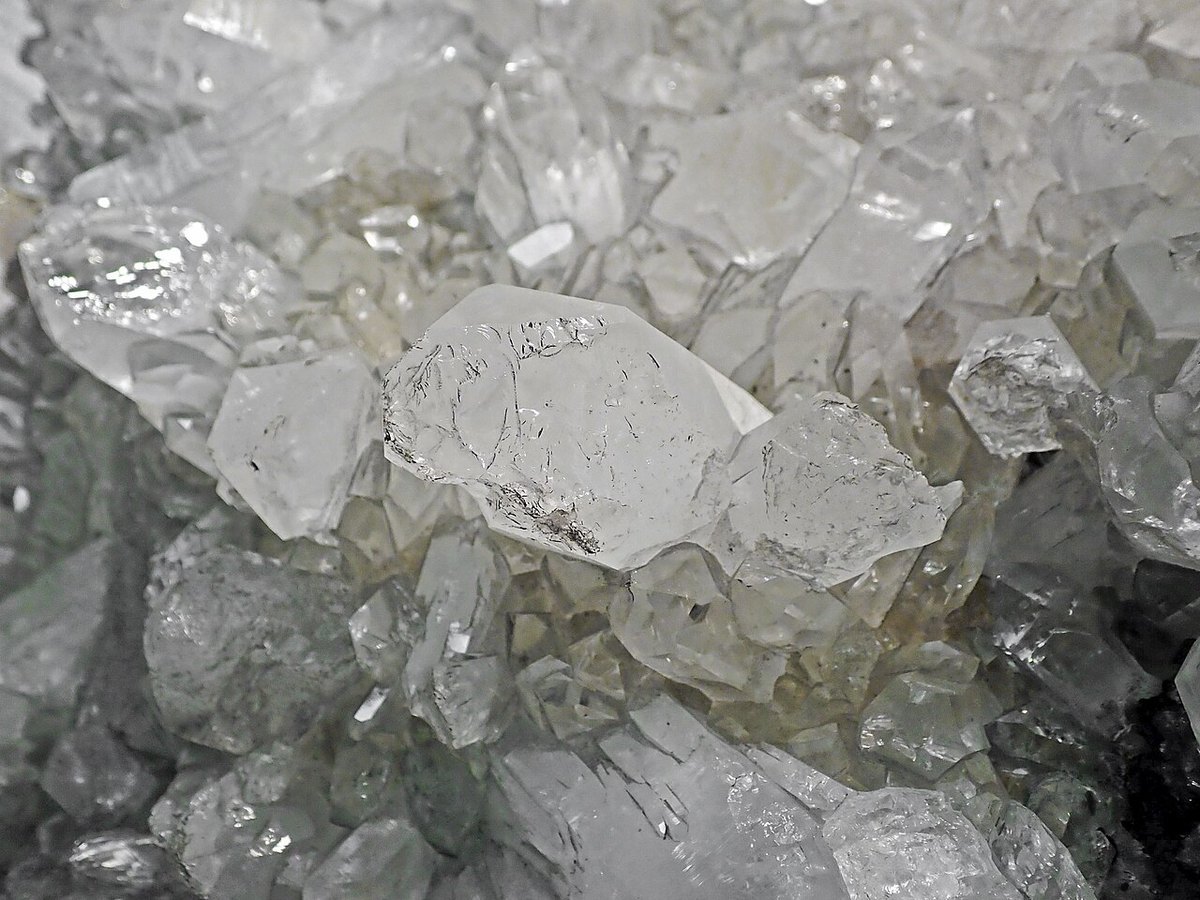
Gem-quality amblygonite typically shows soft pale yellow to honey-yellow color, with occasional nearly colorless, light green, or pink variants. The stone scores Mohs 5.5 to 6 and has perfect cleavage along multiple directions, which makes it challenging to cut and limits jewelry applications.
Brazilian pegmatite deposits in Minas Gerais produce the most gem-quality material.
The mineral is a minor lithium ore and is related chemically to other lithium-bearing minerals like lepidolite and kunzite. Amblygonite's refractive index of 1.577 to 1.612 and specific gravity of 2.98 to 3.11 distinguish it from similar-looking yellow stones.
Most amblygonite sold in the commercial market is collector-faceted rather than mass-produced jewelry. Total world production is modest, and gem-quality stones above 5 carats are considered collector pieces.
The soft honey color makes amblygonite popular among gem collectors seeking distinctive yellows without the strong brilliance of citrine or the high price of yellow sapphire.
How Amblygonite Compares
| Property | Amblygonite | Citrine | Yellow Sapphire |
|---|---|---|---|
| Hardness | 5.5 - 6 | 7 | 9 |
| Color | Soft honey yellow | Warm gold | Vivid yellow |
| Price / carat | $ Budget | $ Budget | $$ Mid-range |
| Best For | Collector soft yellow | Accessible daily wear | Heirloom engagement |
Meaning and Symbolism
Amblygonite was formally described in 1817 from German Saxony pegmatite deposits. The mineral is related to the broader lithium pegmatite mineral family, which includes lepidolite, kunzite, and petalite, all of which share geological formation conditions.
Brazilian deposits in Minas Gerais emerged in the 20th century as the primary source of gem-quality faceted amblygonite, though overall production remains modest compared to mainstream gem minerals.
In crystal healing tradition, amblygonite is associated with the throat chakra and the heart chakra. Practitioners describe the stone's lithium content as a symbol of calm clarity, said to support gentle expression and soft-spoken honesty. The soft honey color is linked with warm encouragement rather than bold solar energy.
Because amblygonite is relatively uncommon in mainstream crystal shops, its healing tradition is narrow and actively shaped by specialist crystal workers. Many readers who acquire amblygonite treat it as a meditation altar piece rather than a daily-carry stone.
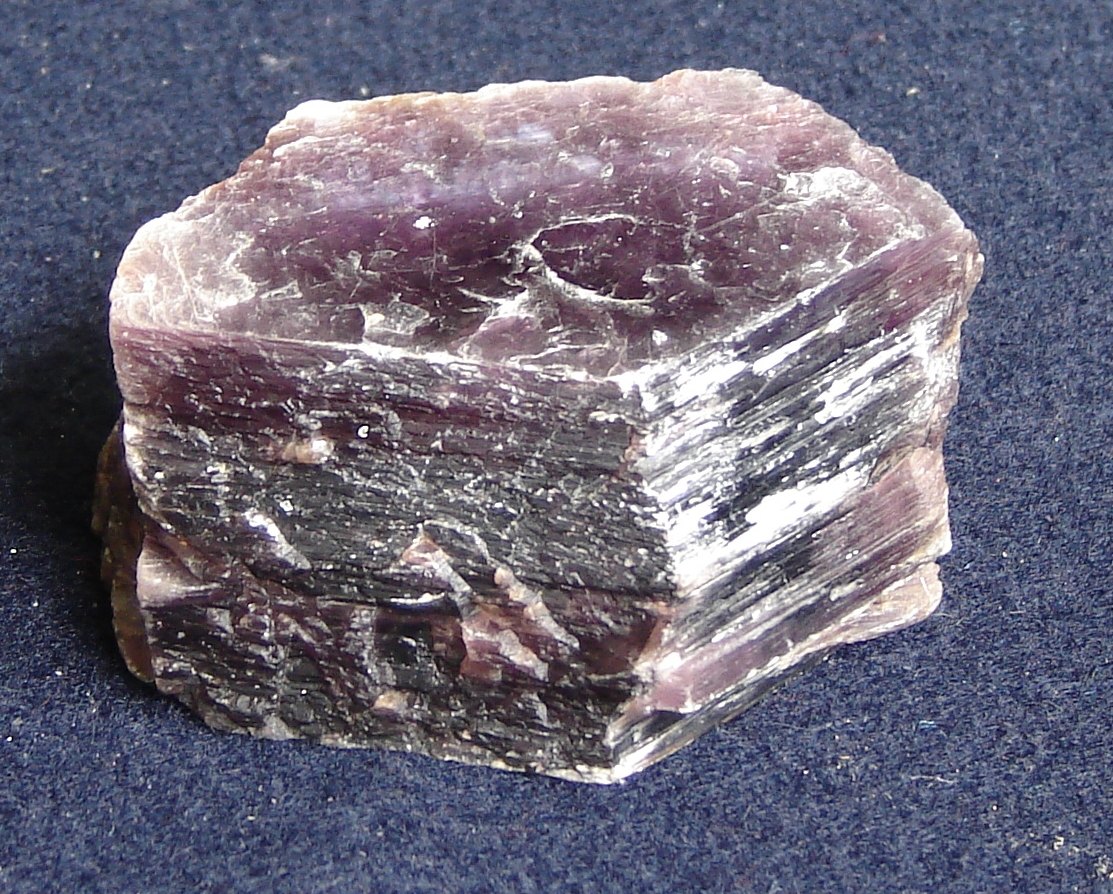
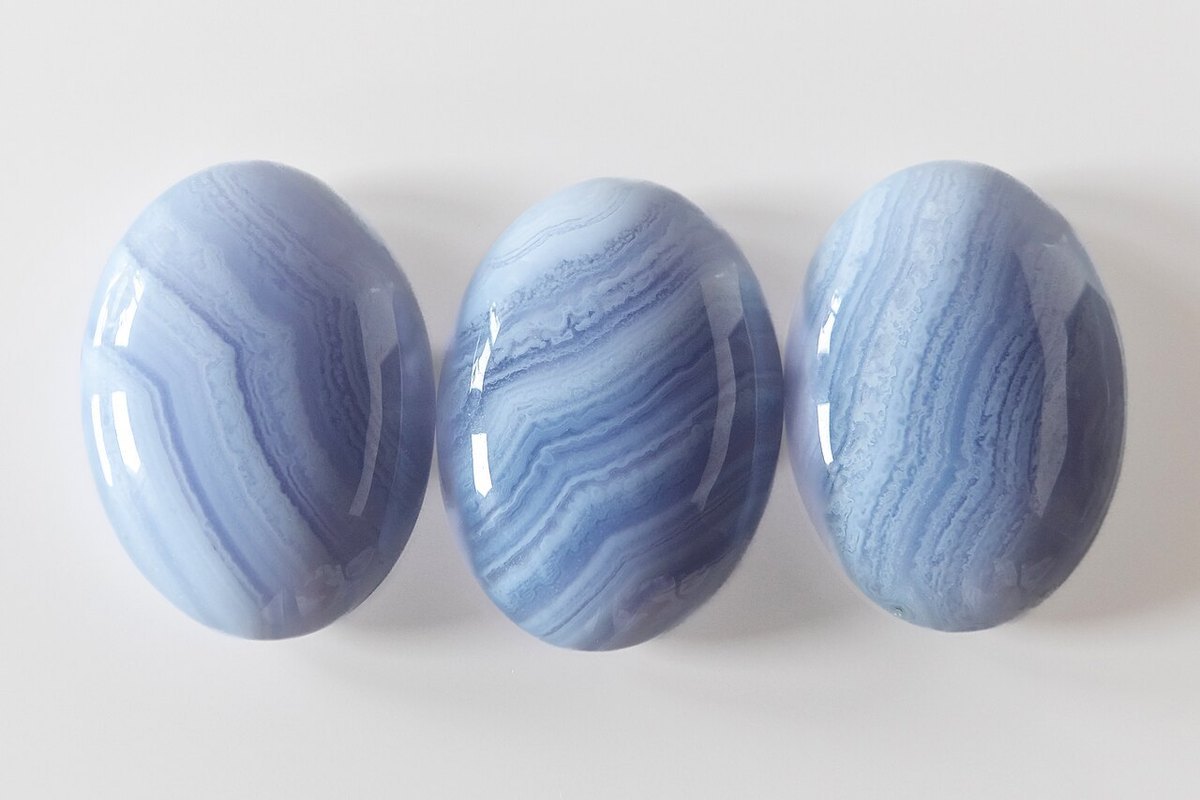
Crystal workers often pair it with lepidolite for lithium-family work or with blue lace agate for gentle throat-chakra practice. The stone's traditional associations with soft expression make it a favored gift for writers, teachers, and caregivers.
Historical Timeline
Healing Tradition
Emotional
Practitioners believe amblygonite supports gentle emotional expression and calm articulation. Crystal healing tradition associates the stone's lithium content with soothing energy, and many readers use amblygonite during journaling sessions and soft-spoken conversations with family members.
Crystal workers often recommend amblygonite for readers recovering from emotional overwhelm, treating it as a patient companion for the slow return to stable daily expression. The soft honey color is traditionally considered a symbol of warm reassurance rather than bright stimulation.
Crystal workers often pair amblygonite with lepidolite for lithium-family comfort work or with rose quartz for tender heart-chakra support. The stone is considered an altar meditation piece rather than daily-wear because of its softness.
Spiritual
In crystal healing tradition, amblygonite is linked with the throat chakra and the heart chakra. Practitioners describe the soft yellow color as a bridge between warm encouragement and calm speech, and the stone is often used during meditation focused on gentle articulation and honest tenderness.
Many readers keep amblygonite near writing desks and journals during reflective practices. The stone has a modest folkloric tradition because of its rarity, with meaning actively shaped by contemporary crystal workers rather than inherited from long-standing lineages.
Crystal workers often place amblygonite on altars during phases of quiet emotional integration. The lithium content gives the stone a family connection to other calming minerals, and practitioners sometimes frame it as a subtle alternative to more popular lithium stones.
Physical
Practitioners believe amblygonite supports what they describe as calm steady energy and gentle throat-heart integration. Crystal healing tradition associates lithium-bearing minerals generally with soothing symbolic support, though the stone is not a substitute for medical care.
Many readers wear amblygonite as pendant jewelry in protected settings, with the soft yellow color chosen for its gentle uplifting quality. Crystal workers sometimes recommend it during recovery from anxious phases, treating it as a patience-supporting ally rather than an active energetic tool.
The stone is considered appropriate for gentle throat-chakra practices focused on soft speech and calm self-expression. Traditional lore emphasizes the stone's lithium content and pegmatite origin, giving amblygonite a lineage connection to broader calming mineral families.
Zodiac, Birthstone and Gifts
Amblygonite is not a traditional birthstone, but astrologers often recommend it for Gemini (for soft articulation), Taurus (for Venus-ruled warm expression), and Libra (for relational harmony).
The stone's Mercury and Venus associations connect it to communication cycles and relational transits. Many readers choose amblygonite during Mercury retrograde phases because of the gentle articulation associations.
Care and Cleansing
Amblygonite tolerates brief water cleaning but requires gentle handling because of multiple cleavage directions and moderate softness. Warm soapy water with a soft brush is safe; avoid ultrasonic cleaners, steam cleaning, and prolonged soaking.
Moonlight charging is widely recommended. Sunlight is safe in moderation. Smoke cleansing with palo santo or sage is an excellent gentle method that avoids water stress on the stone.
Dry salt cleansing is fine briefly; saltwater soaks should be avoided. Many practitioners cleanse amblygonite by placing it on a bed of clear quartz or selenite overnight, a method especially suited to this relatively fragile stone. Earth burial works for slow cleansing but should be brief to avoid moisture damage.
- DO clean amblygonite with warm soapy water and a soft brush for gentle maintenance.
- DO NOT use ultrasonic or steam cleaners because of multiple cleavage planes.
- DO store amblygonite in individual padded compartments to protect cleavage edges.
- DO NOT expose amblygonite to sudden thermal shock or harsh chemicals.
- DO use protective bezel settings for any pendant wear.
- DO verify gem-quality provenance with reputable dealers for premium specimens.
- Note: amblygonite is difficult to cut because of cleavage; expect slightly higher cutting premiums.
Real vs Fake
Genuine amblygonite shows a refractive index of 1.577 to 1.612, specific gravity of 2.98 to 3.11, and biaxial negative optic character under polarized light. The soft honey-yellow color and distinctive cleavage behavior help distinguish it from similar-looking yellow stones. Under 10x magnification, amblygonite often shows characteristic growth lines and occasional two-phase inclusions.
Common misidentifications include yellow beryl (heliodor), yellow topaz, yellow fluorite, and pale citrine. Laboratory spectroscopy is the definitive tool for separating amblygonite from these other yellow gems, though specific gravity and refractive index tests can provide reliable identification for unmounted stones.
Yellow fluorite is softer (Mohs 4) and heliodor harder (Mohs 7.5 to 8).
Practical at-home checks include testing hardness on unmounted stones (amblygonite scratches a steel knife but is scratched by quartz), observing cleavage behavior under controlled pressure, and checking refractive index if a refractometer is available.
For purchases above $300, request laboratory confirmation of species from an independent gemological lab, or a comparable laboratory. Most reputable dealers selling faceted amblygonite supply documentation without being asked because of the stone's rarity.
Amblygonite Jewelry & Gifts
Amblygonite is a niche collector gem with modest commercial production. Small faceted stones under 1 carat typically run $30 to $80 per carat, medium stones from 1 to 5 carats price at $50 to $150 per carat, and exceptional large gems above 5 carats can reach $150 to $400 per carat.
Brazilian Minas Gerais material is the world benchmark for gem-quality stones.
When buying, look for soft honey-yellow color, good transparency, and clean cutting despite the challenging cleavage. Request laboratory confirmation of species for stones above $300 because misidentification is a significant concern in this niche market.
Most amblygonite reaches the international market through mineral shows, specialist gem dealers, and pegmatite mineral collectors rather than mainstream jewelry retail. The stone is rarely seen at conventional jewelry counters.
Where to Buy Amblygonite
Affiliate disclosure: Some links below earn us a small commission at no extra cost to you. See our affiliate disclosure page.
Handmade, raw, and tumbled pieces from independent sellers worldwide.
Shop Amblygonite on Etsy →Accessories, tools, and specimen sets with fast Prime delivery.
Shop Amblygonite on Amazon →Certified loose gemstones graded and photographed for online buyers.
Shop Amblygonite on GemSelect →Pairs Well With


Where Amblygonite Is Found


