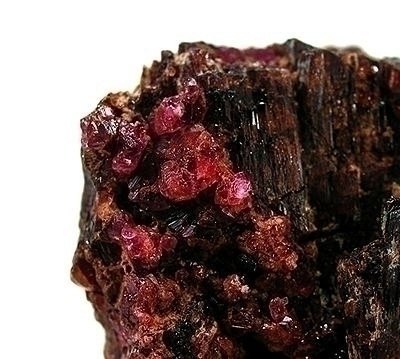
Painite
Once the world's rarest gem, painite is a rusty-red borate found in the Mogok Valley of Myanmar.
- For nearly fifty years, only three painite crystals were known to science, all housed in museum collections.
- Painite was once officially recognized as the rarest gem mineral in the world.
- The mineral's complex formula includes seven different elements, rare in gem-quality species.
- Painite shares its Mogok source rocks with ruby, sapphire, and red spinel but forms under narrower chemistry.
- Some painite crystals show a weak reddish fluorescence under long-wave UV light, a useful diagnostic feature.
- Serious collectors chasing mineralogical rarity above marketing gloss
- Gem investors seeking stones with verifiable provenance and small global supply
- Advanced practitioners drawn to grounding root and solar plexus stones
- Museum-minded buyers who prioritize species completeness over wearability
- Auction attendees hunting Mogok-source corundum-adjacent rarities
- First-time buyers seeking everyday jewelry (consider garnet or spinel)
- Shoppers on a budget under $1,000 per carat (try red zircon or ruby)
- Those wanting bright vivid color (most painite runs brownish red, try ruby)
What Is Painite?
Painite is a rare calcium zirconium borate mineral with the formula CaZrAl9O15(BO3), first identified in 1951 by British gemologist Arthur Charles Davy Pain. For decades it held the title of the world's rarest gem, with fewer than twenty faceted stones known until the early 2000s.
The International Mineralogical Association approved painite as a valid species with the symbol Pnt. Gem-quality crystals are hexagonal prisms and pinacoids, typically under one carat when cut.
Painite forms in high-temperature skarn and gem gravel environments associated with marble-hosted ruby deposits in the Mogok Valley of Myanmar. The mineral requires an unusual combination of zirconium, calcium, boron, and aluminum, which is why it remains almost exclusively a Burmese occurrence.
With a Mohs hardness of 7.5 to 8, painite is durable enough for pendants and earrings but is rarely set in jewelry because of its scarcity and collector premium. Most faceted painite weighs between 0.1 and 2 carats, with larger clean stones selling at auction to specialty buyers.
Color ranges from brownish red to orange-red, with rare pinkish examples. The hue is caused by trace iron, vanadium, and chromium substituting into the complex lattice, and the strongest reds approach the appearance of garnet under daylight.
Painite has no standard treatment history, since the quantity and value of the material make heat or irradiation commercially unnecessary. Reputable sellers disclose the specimen's condition, weight, and source documentation.
How Painite Compares
| Property | Painite | Ruby | Red Spinel |
|---|---|---|---|
| Hardness | 7.5 - 8 | 9 | 8 |
| Price / carat | $$$$ Luxury | $$$ Premium | $$ Mid-range |
| Rarity | Extreme (top 10 rarest) | Rare | Rare |
| Best For | Collection, investment | Heirloom jewelry | Daily wear |
Meaning and Symbolism
Painite is too new and too rare to carry a deep folk tradition. The stone was unknown to the ancient world and only entered gemological literature in the mid twentieth century, which makes its meaning largely a modern construction built around its reputation for extreme scarcity.
Collectors often describe painite as a patience stone, since acquiring a specimen usually requires years of searching and connections with specialist mineral dealers.
For mineralogists, painite represents the edge of what is possible in earth chemistry. Its unusual formula combines elements that rarely meet in gem-forming conditions, which practitioners believe gives the stone a sense of quiet singularity.
The mineral carries the name of its discoverer, a tradition that also produced taaffeite, grandidierite, and benitoite, and places painite within a small family of gems named for individuals rather than places or colors.
In modern crystal practice, painite is traditionally associated with grounded purpose, persistence, and the courage to keep working on something while others give up. Practitioners believe the stone anchors ambition to the root and solar plexus chakras.
Many find it a useful companion during long research projects, doctoral work, or any pursuit where the timeline stretches beyond casual attention.
Historical Timeline
Healing Tradition
Emotional
Practitioners believe painite is a stone of patient, long-haul motivation. In crystal healing tradition, it is said to steady the wearer during multi-year projects, help endure setbacks without collapse, and encourage quiet persistence rather than loud declarations.
Many find painite supportive during dissertations, book manuscripts, slow career pivots, or recovery from long illnesses, with the stone traditionally associated with finishing what others abandon. Practitioners often pair it with black tourmaline for protection against discouragement, or with citrine when the work needs an occasional burst of solar lift.
Painite is not considered a cheerful or sparkling stone, and practitioners tend to describe its effect as slow warmth rather than quick fire. Readers who want surface motivation usually turn to carnelian or ruby, keeping painite for the long, quiet inner work that does not announce itself.
Spiritual
In crystal healing tradition, painite is said to root willpower deep into the root and solar plexus chakras, tying bold intention to physical endurance. Practitioners believe this combination is what makes painite the quiet ally of anyone pursuing a life's work rather than a passing interest.
Many find painite useful in meditations centered on vocation, dharma, or the slow work of becoming the person the task requires.
The stone has no ancient ritual tradition, so modern practitioners often design their own practices, sometimes dedicating the specimen to a single long-term goal and keeping it on the altar until completion.
Painite is traditionally associated with Mars in Western astrology, which practitioners interpret as disciplined rather than aggressive force. Holding painite during autumn intention-setting or new year reflection has become a modern practice among collectors who use their stones ritually as well as for display.
Physical
Practitioners believe painite supports what they describe as the body's stamina and spine, and it has begun to appear in modern traditions linking gems to endurance and skeletal health.
Folklore around painite is still forming, since the stone is only decades old in the broader gemological literature. Many find carrying a small painite specimen comforting during physical therapy, long training cycles, or recovery from fatigue, with practitioners framing its effect as steady resilience rather than quick correction.
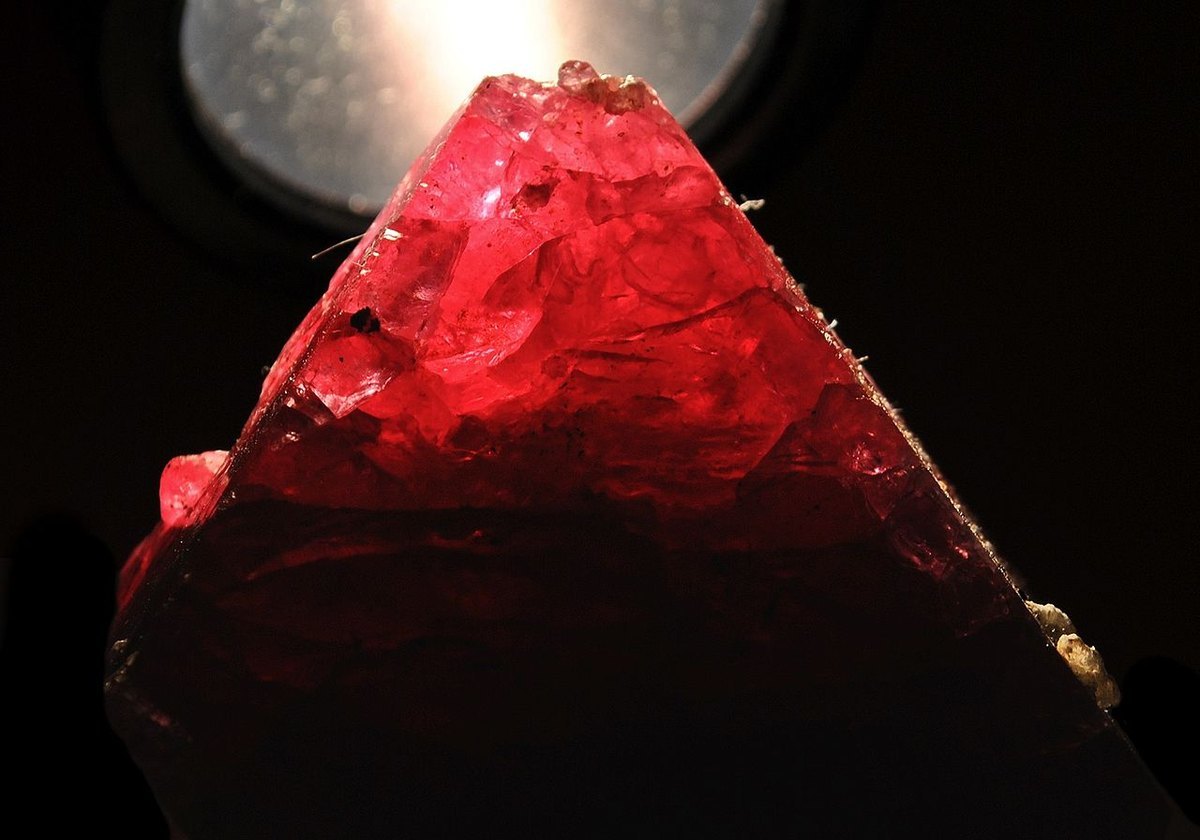
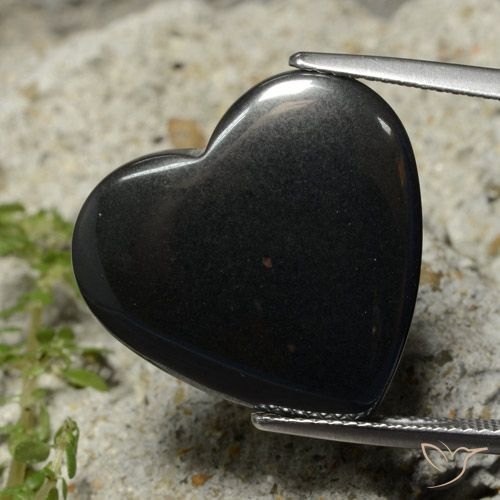
Painite is not a substitute for medical care, and practitioners are careful to describe its role as supportive rather than curative. For readers working on physical stamina goals, crystal healing tradition sometimes pairs painite with garnet for circulation and hematite for structural grounding, all held or placed rather than worn long term.
Zodiac, Birthstone and Gifts
Painite has no traditional birthstone role, but modern astrologers have begun to associate it with Scorpio and Capricorn. Both signs are known for long-range focus and quiet endurance, qualities that mirror the collector's patience required to acquire the stone itself.
For Scorpio, painite is said to support deep research and investigative work, giving the sign's intensity a sturdy container. For Capricorn, the stone is believed to reinforce the classic Capricorn virtues of ambition paired with patience, especially around career milestones that unfold across decades.
Practitioners who work with painte astrologically usually keep the stone on an altar rather than wearing it, given its rarity and the risk of loss from jewelry settings.
Care and Cleansing
Painite tolerates most common cleansing methods, but the rarity of the stone makes practitioners cautious. Running lukewarm water for under a minute is safe for a loose painite, with a soft cloth used afterward to dry the stone and prevent any mineral deposits.
Avoid household cleaners, ultrasonic machines, and steam devices, since fine surface polish is expensive to restore if damaged.
Moonlight cleansing is the most commonly recommended method for painite, since it is gentle and carries no risk. An overnight rest on a windowsill during a full moon is considered sufficient. Smoke cleansing with palo santo or cedar and sound cleansing with a singing bowl are both safe.
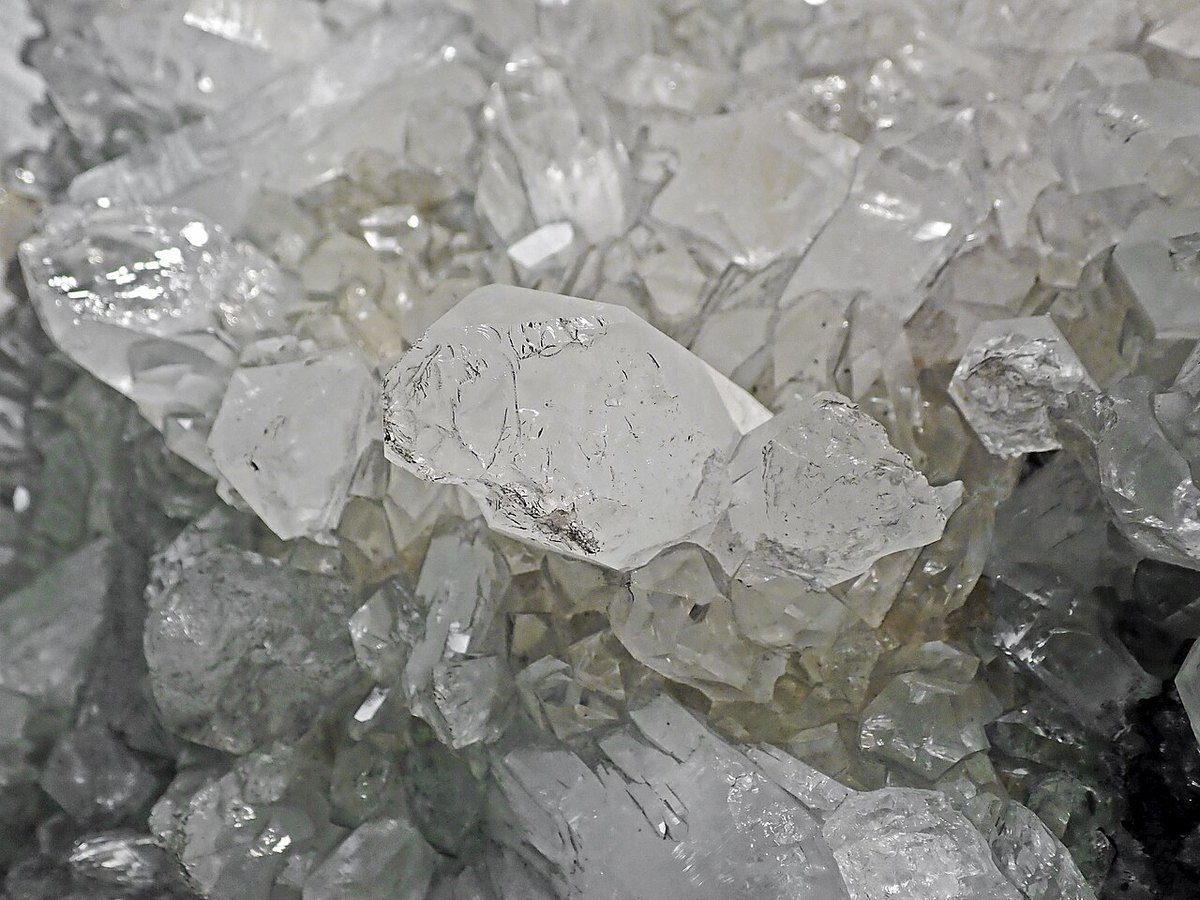
Salt cleansing should be dry only, and only with the stone resting on top of a bed of salt rather than buried, since some salts can abrade polish over long contact. Many collectors simply rest painite on a clear quartz cluster between uses.
- DO handle painite with clean hands and a soft cloth to avoid depositing skin oils on the polish.
- DO NOT use ultrasonic or steam cleaners; high-value gems are rarely worth the minor time savings.
- DO store painite in a padded case with documentation to support future provenance claims.
- DO NOT expose painite to household chemicals, perfumes, or abrasive salts during cleansing.
- DO insure painite separately if valued over collector thresholds, since replacement cost is high.
- DO ask sellers for mineralogical documentation, lab-style color-grade notes, and specific mining origin.
- Note: avoid carrying painite loose in pockets; padded pouches prevent chipping of the facet edges.
Real vs Fake
Genuine painite is so rare that any stone offered at a price far below current market should be treated with skepticism. Real painite typically shows natural inclusions under a 10x loupe, including small solid crystals, growth zoning, and occasional fluid inclusions.
A perfectly clean stone marketed as painite at a modest price is almost certainly a substitute or synthetic.
Common misidentifications include dark red garnet, red zircon, dark ruby, and brown tourmaline. Garnets are singly refractive and show a different dispersion pattern, while zircon shows strong double refraction visible through a loupe.
Synthetic painite has not entered the market in any significant quantity because the complex formula would make growth commercially unprofitable given available natural supply.
Practical checks include refractive index (1.787 to 1.816, uniaxial negative), specific gravity (4.01 to 4.03), and hexagonal crystal form when the stone is available as rough.
For any serious acquisition, a report from an independent gemological lab is essential and should explicitly name painite rather than describing the stone as a borate mineral.
Reputable dealers provide provenance letters tracing the stone to a specific Mogok or Namya parcel, with export documentation and a gem-identification certificate. Verbal attribution alone is not sufficient at the prices painite commands.
Painite Jewelry & Gifts
Painite pricing reflects extreme rarity and modest but growing supply. Small faceted stones under half a carat trade at roughly $10,000 to $20,000 per carat through specialty mineral dealers, while clean stones in the one to two carat range can exceed $40,000 per carat.
Exceptional specimens above two carats with strong red color have sold at auction for more than $60,000 per carat.
Painite is almost never treated, so origin and weight drive nearly all of the pricing. Stones from the original Mogok discovery area command a modest premium over newer Namya parcel material, and documented pre-2001 museum deaccession stones reach collector auction prices that exceed current mining rates.
For any painte purchase, insist on a report from an independent gemological lab that explicitly identifies the mineral as painite by refractive index, specific gravity, and spectroscopy. Verbal attribution, unbranded certificates, and unclear parcels should be avoided at these prices.
Where to Buy Painite
Affiliate disclosure: Some links below earn us a small commission at no extra cost to you. See our affiliate disclosure page.
Handmade, raw, and tumbled pieces from independent sellers worldwide.
Shop Painite on Etsy →Accessories, tools, and specimen sets with fast Prime delivery.
Shop Painite on Amazon →Certified loose gemstones graded and photographed for online buyers.
Shop Painite on GemSelect →Pairs Well With



Where Painite Is Found
