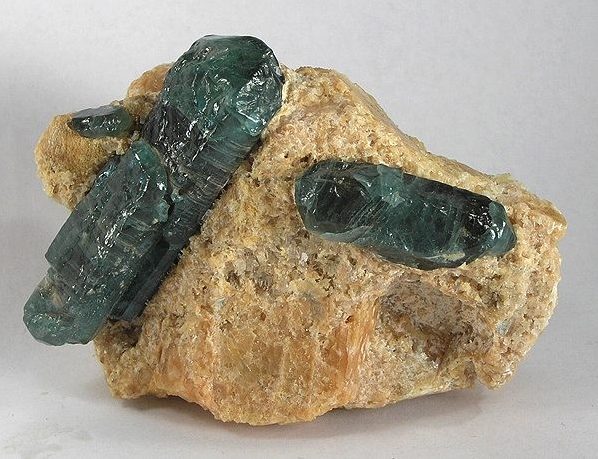
Teal Apatite
Neon teal-blue apatite from Madagascar glows with extraordinary color saturation.
- The vivid neon teal color of Madagascan apatite rivals Paraiba tourmaline in saturation - at a fraction of the price per carat.
- Apatite is technically the mineral that makes up your tooth enamel - gem-quality teal apatite is crystallized from geological deposits of the same mineral.
- Some teal apatite shows visible fluorescence under UV light, glowing yellow or green - a useful identification characteristic.
- The Ambondromifehy deposit in northern Madagascar produces the world's most consistently vivid teal apatite and has been the benchmark source since the 1990s.
- Teal apatite color can fade in prolonged sunlight - this is a practical storage reminder and also one reason fine specimens are better stored than displayed in sunny windows.
- Colored stone collectors who prioritize vivid, saturated color and want something beyond the standard gem palette
- Throat chakra practitioners who want a visually striking blue-green stone with authentic teal color
- Jewelry designers seeking an affordable neon-colored gem for statement pendants and earrings
- Anyone attracted to teal and wants a genuine colored gemstone rather than dyed material
- Gift givers wanting a striking, unusual colored stone gift under $60
- Ring wearers seeking daily durability - Mohs 5 scratches easily in rings; choose turquoise for a more durable teal option
- Those wanting a traditional or widely recognized gemstone - apatite is niche and not a standard fine gem
- Buyers who want water-safe stones for elixirs - apatite color can fade with extended moisture exposure
What Is Teal Apatite?
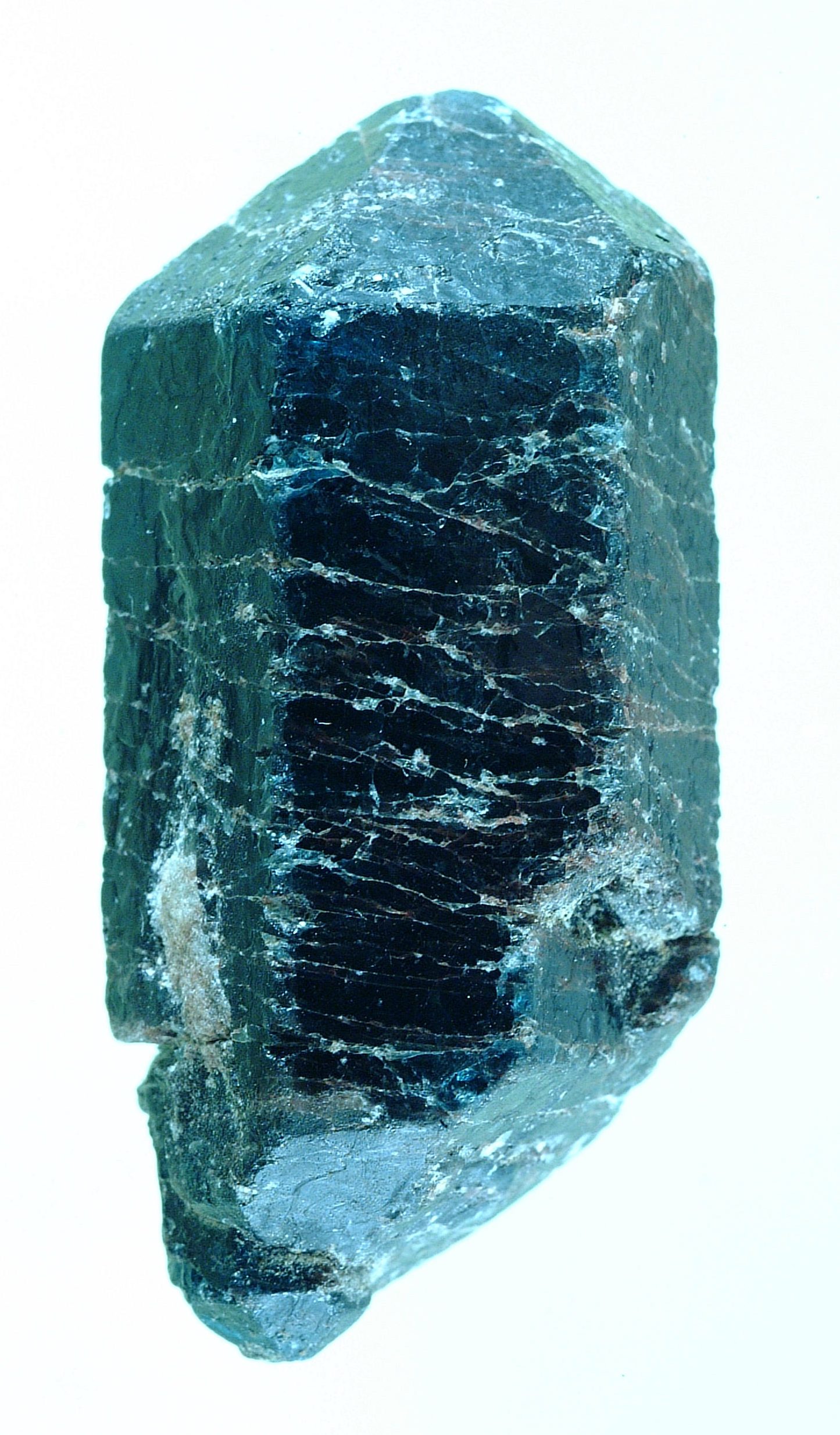
Teal apatite is a distinctly colored variety of the calcium phosphate mineral apatite (Ca5(PO4)3(F,Cl,OH)) exhibiting an unusually vivid blue-green to neon teal color from specific rare earth element substitutions within the crystal structure. It rates 5 on the Mohs hardness scale.
The Ambondromifehy mine in northern Madagascar produces some of the most saturated teal apatite in the world - a color range that gemologists describe as neon or electric teal, noticeably more vivid than almost any other naturally occurring gem mineral of this hue.
Apatite crystallizes in the hexagonal system and shows Mohs hardness of 5, making it moderately soft for gem use. Specific gravity of 3.16 to 3.22 is moderate. The refractive index of 1.632 to 1.646 is relatively high for the hardness, contributing to good light return in faceted stones.
The name 'apatite' comes from the Greek apatan (to deceive), as the mineral was historically confused with topaz, tourmaline, and beryl in gem commerce.
Teal apatite is most commonly encountered as faceted transparent gems cut to maximize color display, though rough crystal specimens are also collected. The teal color can fade with prolonged sunlight and UV exposure, a property requiring careful storage for both rough and cut material.
Some teal apatite is heat-treated to enhance or stabilize color - disclosure practices vary among dealers. Despite its softness, teal apatite is popular in pendants and earrings where abrasion is limited.
How Teal Apatite Compares
| Property | Teal Apatite | Paraiba Tourmaline | Teal Tourmaline |
|---|---|---|---|
| Hardness | 5 | 7 - 7.5 | 7 - 7.5 |
| Price / carat | $ Budget | $$$ Premium | $ Budget |
| Neon Color | Very high | Extreme | High |
| Best For | Collector, affordable neon | Investment jewelry | Fine jewelry |
Meaning and Symbolism
Apatite's modern crystal healing tradition is built primarily on direct practitioner experience rather than ancient folk use, as apatite was only formally identified as a distinct mineral species in 1786. Teal apatite's specific metaphysical associations have developed around its vivid blue-green color and throat chakra resonance.
Practitioners describe it as one of the clearest and most direct throat chakra stones available, saying it cuts through hesitation and supports precise, authentic self-expression.
The teal color bridges blue and green, connecting the throat chakra's communication energy with the heart chakra's emotional intelligence. Practitioners describe this as particularly useful for those who have truth in their hearts but difficulty expressing it - teal apatite is said to create a direct channel between felt understanding and spoken word.
The neon saturation of quality Madagascan material is itself regarded as reflecting an intensified version of this quality.
In contemporary crystal communities, teal apatite is also associated with mental clarity, overcoming creative blocks, and the energy required to pursue ambitious goals. Some practitioners link it to the manifesting quality of the will - the ability to envision clearly and then pursue with focused energy.
Its affordable price relative to its visual impact makes it a popular choice for both new and experienced crystal practitioners.
Historical Timeline
Healing Tradition
Emotional
Practitioners believe teal apatite carries a clarifying, motivating emotional energy that is said to dissolve self-doubt and support confident self-expression. It is associated with overcoming communication blocks rooted in old patterns of silencing or diminishing one's own voice.
Many crystal workers describe it as particularly useful for those in creative professions or who have work that requires regular authentic public expression. The stone is said to support the transition from internal knowing to external articulation - the moment when internal clarity becomes confident spoken or written voice.
Practitioners use it in practices focused on finding and speaking one's authentic message without anxiety or self-censorship.
Spiritual
In crystal healing tradition, teal apatite bridges the throat chakra and the third eye chakra, with secondary heart chakra resonance from the green component of its teal color.
Practitioners describe it as supporting the expression of spiritually informed communication - not just emotional truth but the clearer, wider perspective that comes from integrated intuition and conscious thought. Some practitioners use it in grid work focused on psychic communication, channeling, and the clear transmission of spiritual guidance into practical guidance.
The neon color quality is associated with a high frequency that practitioners describe as raising the vibration of communication within a space.
Physical
Crystal wellness practitioners use teal apatite near the throat in crystal body layouts and during voice-focused wellness practices including singing bowl sessions, voice therapy, and breath work. It is said to support a sense of openness and ease in the throat and upper chest.
Some practitioners connect its metaphysical properties to vocal health awareness, encouraging hydration and regular vocal expression as complements to crystal work. Teal apatite should not be used in water elixirs due to color sensitivity and phosphate mineral chemistry. Use as a visual and meditative companion.
Zodiac, Birthstone and Gifts
Gemini's mastery of communication and natural affinity for language and expression aligns strongly with teal apatite's throat chakra focus. Practitioners suggest the stone amplifies Gemini's communication gifts while adding an element of depth and conviction that ensures the sign's natural verbal facility carries genuine meaning.
Sagittarius values honest, direct communication as part of its philosophical truth-seeking nature. Teal apatite's reputation for cutting through hesitation and supporting authentic expression resonates with Sagittarius's core drive toward honest engagement with the world. Practitioners recommend it for Sagittarius individuals in teaching, writing, or public communication roles.
Care and Cleansing
Teal apatite requires limited sun exposure and dry cleansing preference. The vivid teal color can fade with prolonged direct sunlight and UV radiation - store in a drawer, box, or indirect light environment.
Brief water rinsing is acceptable but dry immediately; extended soaking or salt baths can affect both the color and the stone's surface over time.
Sound cleansing is the safest and most recommended method - particularly resonant with teal apatite's throat chakra communication associations. A gentle pass with a singing bowl or tuning fork energetically resets the stone without any risk of color or surface damage. Selenite plates work well for overnight charging.
Moonlight cleansing on a dry, indirect surface is popular and aligned with the stone's intuitive associations.
- DO NOT store in direct sunlight or sunny display areas - the vivid teal color fades with prolonged UV exposure.
- DO store in a closed drawer, box, or display cabinet with indirect or artificial light only.
- DO NOT soak in water or salt baths - brief rinsing is acceptable but extended moisture may affect color and surface.
- DO store in a padded pouch or soft-lined box away from harder gems (quartz, topaz, sapphire) that will scratch the Mohs 5 surface.
- DO NOT use in ultrasonic or steam cleaners - thermal and mechanical stress can cause fractures.
- NOTE: if using in jewelry, specify bezel or protective settings rather than prong settings that expose more stone surface.
Real vs Fake
Genuine teal apatite from Madagascar has a distinctively neon, saturated quality that is difficult to replicate with common dyed glass or synthetic stones. The color appears to glow from within the stone, especially in natural light - a quality that results from apatite's specific refractive index and the rare earth element color chemistry.
The vivid teal of quality Madagascan specimens is immediately recognizable to those familiar with the material.
Dyed glass and synthetic blue-green stones are the most common substitutes. Genuine apatite has a specific gravity of 3.16 to 3.22 - noticeably heavier than glass of similar appearance (SG approximately 2.5). A refractometer reading confirms apatite's 1.632 to 1.646 reading.
Glass imitations cannot replicate the double refraction visible in apatite under a loupe at specific orientations.
Heat treatment is used to enhance or stabilize apatite color in some commercial material. Treated material is genuine apatite and acceptable, but collectors prefer disclosed, untreated specimens. Very vivid, highly saturated blue-green color without any color zoning may indicate heat treatment.
Purchase from colored stone dealers who can confirm origin and provide treatment information.
Teal Apatite Jewelry & Gifts
Teal apatite is an affordable mid-range collector gem offering exceptional color value relative to its price. Small faceted stones (under 1 carat) typically sell for $5 to $20. Quality stones in the 1 to 3 carat range with vivid neon teal color run $20 to $60.
Exceptional large stones (5+ carats) with premium color can reach $100 to $200 from specialist colored stone dealers.
Color saturation is the primary quality driver. The most vivid neon teal - the electric quality that makes Madagascan apatite famous - commands the highest prices. Paler, more washed-out teal or distinctly greenish versus blue specimens are significantly less valuable.
Clarity matters secondarily - eye-clean or near-eye-clean stones are preferred for faceted material, though characteristic inclusions are acceptable in lower-price ranges.
Madagascar's Ambondromifehy mine is the benchmark source; ask specifically for Madagascan origin when seeking the most vivid teal. Brazilian apatite tends toward slightly different color character. Verify heat treatment status with sellers. Rough crystal specimens are a less expensive entry point for collectors and typically show excellent color in untreated natural form.
Where to Buy Teal Apatite
Affiliate disclosure: Some links below earn us a small commission at no extra cost to you. See our affiliate disclosure page.
Handmade, raw, and tumbled pieces from independent sellers worldwide.
Shop Teal Apatite on Etsy →Accessories, tools, and specimen sets with fast Prime delivery.
Shop Teal Apatite on Amazon →Certified loose gemstones graded and photographed for online buyers.
Shop Teal Apatite on GemSelect →Pairs Well With



Where Teal Apatite Is Found

