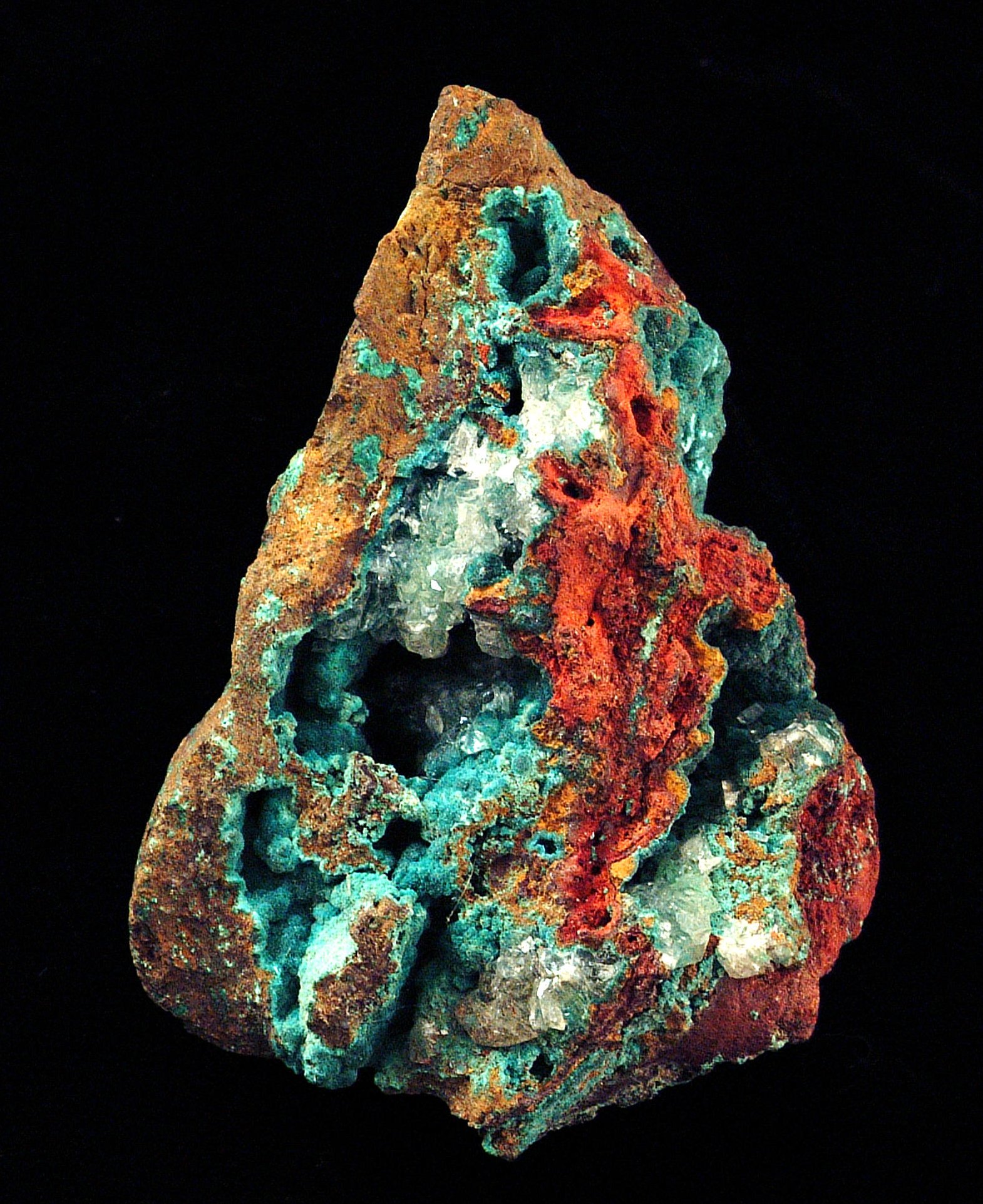
Chrysocolla-Malachite
Teal-blue chrysocolla and banded emerald malachite merge in one specimen, creating a stone of nurturing earth and water.
- Chrysocolla's name comes from Greek words meaning 'gold glue' - it was used in antiquity to solder gold.
- Pliny the Elder listed chrysocolla among negotiators' stones, associating it with diplomatic wisdom and persuasion.
- Egyptian priests and royalty used malachite as eye paint (kohl) for ceremonial purposes, believing it protected vision.
- Chrysocolla is one of the softest gem minerals used in cabochon work, requiring stabilization with harder minerals to be wearable.
- The teal-to-emerald color gradient in chrysocolla-malachite specimens occurs naturally with no dye or treatment - pure copper chemistry produces both hues.
- Heart and throat chakra practitioners who want a nurturing, communication-supportive stone with natural beauty
- Collectors seeking vivid teal-green copper mineral combinations at accessible mid-range prices
- Gift givers looking for a naturally striking green stone for a Taurus or Virgo friend
- Meditation practitioners drawn to water and earth elemental combinations
- Interior decorators wanting natural blue-green color accents without synthetic dye
- Jewelry wearers needing a durable daily stone - Mohs 2-4 is far too soft for rings or bracelets; consider turquoise instead
- Those wanting water-safe stones for elixirs - copper minerals are toxic in water; choose amazonite for green water-safe options
- Children or pets who might chew specimens - copper mineral dust requires careful handling
What Is Chrysocolla-Malachite?
Chrysocolla-malachite is a natural co-occurrence of two copper-based minerals - chrysocolla (Cu2H2Si2O5(OH)4), a hydrated copper silicate, and malachite (Cu2CO3(OH)2), a copper carbonate hydroxide. Both form in the oxidized zones of copper ore deposits and frequently occur together, their complementary teal and emerald green creating visually rich specimens.
Chrysocolla is amorphous with a waxy to earthy luster and a soft Mohs hardness of 2 to 4, while malachite is monoclinic and slightly harder at 3.5 to 4. The combination produces specimens where banded emerald malachite interpenetrates or borders chrysocolla's softer teal-blue zones.
Because both minerals are copper-based, their colors are chemically related - the visual difference arises from the distinct bonding chemistry of silicon versus carbonate frameworks.
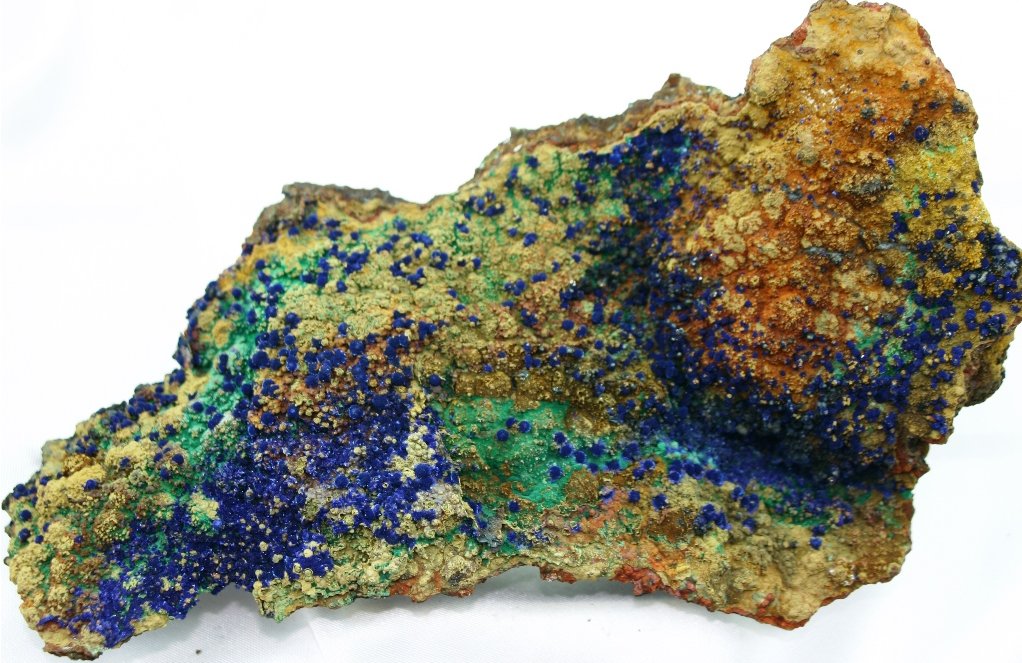
Major sources include the Mina Lily and other deposits in the Andes of Peru, the Katanga province of the Democratic Republic of Congo, and historic Arizona mines including the Bagdad and Ajo districts. Peruvian material is particularly prized for its rich teal chrysocolla alongside vivid green malachite.
The combination is common in copper-mining regions worldwide wherever both minerals precipitate from the same hydrothermal or oxidizing fluids.
How Chrysocolla-Malachite Compares
| Property | Chrysocolla-Malachite | Turquoise | Malachite |
|---|---|---|---|
| Hardness | 2 - 4 | 5 - 6 | 3.5 - 4 |
| Price / piece | $ Budget | $ Budget | $ Budget |
| Color Range | Teal + emerald green | Sky blue to green | Banded emerald |
| Best For | Display, meditation | Jewelry, daily wear | Display, collecting |
Meaning and Symbolism
Both chrysocolla and malachite carry deep feminine and Venusian associations across ancient and modern traditions. Chrysocolla was called the 'stone of Aphrodite' in antiquity and was associated with the Goddess of love, beauty, and negotiation. Pliny the Elder described chrysocolla as a mineral of wisdom used to support diplomatic communication.
The name derives from Greek: chrysos (gold) and kolla (glue), referencing its use in soldering gold in ancient times.
Malachite has ancient protective roots, particularly in Egyptian, Roman, and Russian traditions. In Egypt it symbolized the afterlife paradise and was painted around the eyes as kohl. In Russia it was carved into imperial luxury objects.
Together, chrysocolla-malachite inherits a tradition connecting female wisdom, protection of the vulnerable, and the earth's nurturing abundance.
In contemporary crystal healing, the combination is regarded as one of the most soothing and heart-centered copper mineral pairings. Practitioners describe it as a stone of compassionate listening - supporting the listener as much as the speaker.
Many use it in counseling spaces, healing rooms, and creative studios for its traditionally calming and emotionally supportive energy.
Historical Timeline
Healing Tradition
Emotional
Practitioners believe chrysocolla-malachite is one of the most emotionally nurturing copper mineral combinations. Chrysocolla is said to support peaceful, compassionate communication - particularly in difficult conversations where feelings run high. Malachite is traditionally associated with emotional protection and the courage to acknowledge painful truths.
Together, practitioners describe the pairing as holding space for both honesty and gentleness simultaneously. Many use it in therapy and counseling environments, placing it on the desk or in the room's center as a stone of compassionate listening.
The stone is said to support those who find emotional expression challenging, gently encouraging authentic feeling without overwhelm.
Spiritual
In crystal healing tradition, chrysocolla-malachite is linked to the heart and throat chakras - a pairing practitioners describe as supporting the path from felt emotion to expressed word. The stone carries strong Venusian and feminine energy associations, making it popular in goddess-focused spiritual practice and Earth-honoring traditions.
Many practitioners use it in altar setups dedicated to compassion, fertility, creative nurturing, and the protection of the vulnerable. The ancient connection to the Egyptian goddess Hathor and Greek Aphrodite runs through its modern spiritual interpretations, linking it to love, beauty, and the wisdom of the heart.
Physical
Crystal wellness practitioners traditionally position chrysocolla-malachite near the chest and throat during relaxation sessions, following its chakra associations. Both chrysocolla and malachite have long folk medicine histories in cultures where copper minerals were associated with soothing inflammatory conditions, though these are traditional associations and not medically validated claims.
The stone should never be used in water elixirs due to copper toxicity. Practitioners recommend it as a visual focal point and meditative companion in wellness spaces, where its calming teal and green palette is said to support parasympathetic relaxation responses.
Zodiac, Birthstone and Gifts
Taurus, ruled by Venus and deeply connected to earth beauty and sensory pleasure, has a natural affinity for chrysocolla-malachite's vivid natural color and Venusian energy associations.
Practitioners suggest Taurus individuals may find the stone supportive during moments when stubbornness or communication blocks arise, as the throat chakra energy is said to encourage gentler expression of strong feelings.
Virgo's earthy practicality and service orientation align with chrysocolla-malachite's nurturing and compassionate tradition. The stone is said to soften Virgo's tendency toward self-criticism while supporting the sign's natural inclination to support and heal others. Many practitioners recommend it for Virgo individuals in helping professions.
Care and Cleansing
Never use water, salt water, or any wet cleansing method with chrysocolla-malachite. Chrysocolla is especially porous and water-sensitive; malachite's copper carbonate surface also degrades with moisture. Both minerals can leach copper compounds into water, making wet elixirs or soaks genuinely harmful. Firm rule: dry cleansing only.
Sound cleansing with a singing bowl, bell, or tuning fork is the safest and most convenient method. Moonlight on a dry windowsill is a popular ritual option. Selenite plates work well for overnight energy clearing. Smudging with sage, palo santo, or incense is fully safe and recommended for regular maintenance cleansing.
- DO NOT place in water, salt water, or use any wet cleansing - copper minerals leach into water and surfaces degrade.
- DO NOT make water elixirs - copper content from chrysocolla-malachite is toxic if ingested.
- DO wash hands after handling and before touching face, eyes, or mouth.
- DO NOT scratch or rub against harder surfaces - Mohs 2-4 is easily damaged by most materials.
- DO store in a soft pouch or padded box away from harder stones and minerals.
- DO keep away from children and pets who may place specimens in their mouths.
- NOTE: chrysocolla is extremely porous - avoid perfumes, lotions, or oils near the stone as they penetrate the surface and alter color.
Real vs Fake
Genuine chrysocolla-malachite shows natural color variation with irregular transitions between teal chrysocolla and banded malachite. Malachite zones typically display characteristic concentric or wavy banding in multiple shades of green; chrysocolla zones appear as waxy, softer teal areas. The boundary between them is usually gradual and geological rather than sharp or perfectly geometric.
Dyed howlite or dyed jasper are common substitutes sold as chrysocolla or chrysocolla-malachite. Dyed stones show unnaturally uniform color, often with color concentrated along surface cracks.
Genuine chrysocolla is notably soft and can be scratched with a fingernail (Mohs 2-4); dyed howlite at Mohs 3.5 feels similar but lacks the characteristic waxy chrysocolla luster and natural banding of malachite.
Weight is also diagnostic: natural malachite is quite heavy (specific gravity 3.9-4.0) while chrysocolla is lighter (2.0-2.4). A combined specimen will feel moderately heavy depending on the proportion of each mineral. Glass and resin composites tend toward uniform weight and lack mineral surface texture.
When in doubt, purchase from specialist mineral or gemstone dealers who can verify identity.
Chrysocolla-Malachite Jewelry & Gifts
Chrysocolla-malachite is a mid-tier collectible stone with prices reflecting the visual quality and proportion of vivid chrysocolla teal versus malachite green. Small polished pieces and tumbled stones typically sell for $10 to $30. Cabinet specimens with strong color contrast and defined banding range from $30 to $80 for quality material.
The most desirable specimens show rich, saturated teal chrysocolla clearly differentiated from bright malachite banding, with crisp visual contrast between the two minerals. Look for material with minimal matrix or host rock obscuring the color zones. Peruvian material is often cited by dealers for its particularly rich chrysocolla combined with vivid malachite.
Buy from mineral dealers or specialist crystal retailers who label origin and mineral identity clearly. Chrysocolla is sometimes stabilized with resin for use in jewelry - this is acceptable practice and usually disclosed. Untreated natural specimens command slightly higher prices for display purposes.
Avoid purchasing from bulk discount sources where dyed stones are frequently mixed with natural material.
Where to Buy Chrysocolla-Malachite
Affiliate disclosure: Some links below earn us a small commission at no extra cost to you. See our affiliate disclosure page.
Handmade, raw, and tumbled pieces from independent sellers worldwide.
Shop Chrysocolla-Malachite on Etsy →Accessories, tools, and specimen sets with fast Prime delivery.
Shop Chrysocolla-Malachite on Amazon →Certified loose gemstones graded and photographed for online buyers.
Shop Chrysocolla-Malachite on GemSelect →Pairs Well With


Where Chrysocolla-Malachite Is Found


