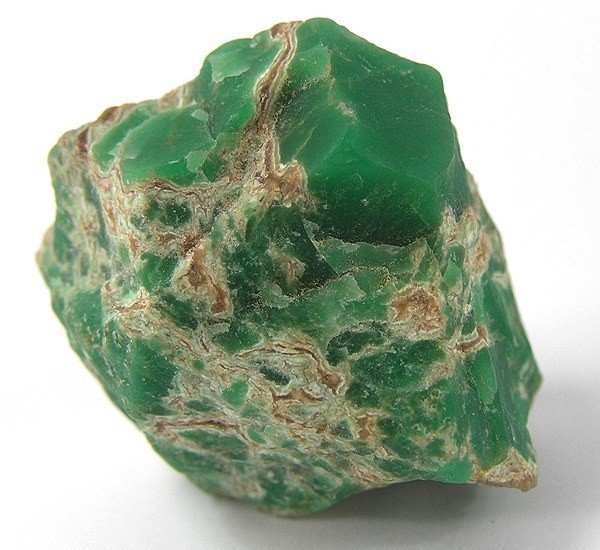
Variscite
A pale green to teal hydrated aluminum phosphate, often called the heart-chakra cousin of turquoise from the American West.
- The name variscite comes from Variscia, the Latin name for the Vogtland region of Germany where the species was first identified in 1837.
- Utah's Clay Canyon mine, which operated from the 1890s through mid-twentieth century, produced some of the world's finest variscite cabochon material.
- Variscite is sometimes called utahlite in collector circles, especially for material from Utah deposits.
- Pueblo and Hohokam peoples used variscite for ornamental purposes for centuries before European contact.
- Variscite is significantly softer than turquoise (Mohs 3.5 to 4.5 versus 5 to 6), which is one of the easiest tests for distinguishing the stones.
- Practitioners working with heart chakra healing and emotional renewal
- Collectors interested in American Southwest and Western mineral specimens
- Pendant and bezel-set jewelry shoppers wanting affordable green-blue alternatives to turquoise
- Taurus readers drawn to earthy heart-element gems with documented US provenance
- Native American jewelry enthusiasts seeking traditional heritage materials
- Daily-wear ring buyers without protective settings; variscite is too soft for prong settings
- Anyone wanting bright transparent gems (variscite is translucent to opaque)
- Practitioners seeking high-vibration crown work (try amethyst or sugilite)
What Is Variscite?
Variscite is a hydrated aluminum phosphate with a distinctive pale green to teal color caused by trace chromium and vanadium impurities. The IMA symbol is Vrs, and the species was first identified in 1837 in Variscia, the historical name for the Vogtland region of Germany.
The mineral forms in secondary alteration zones where aluminum-bearing rocks weather in the presence of phosphate-rich groundwater, which makes it particularly common in arid environments like the American Southwest and central Utah.
Utah's Clay Canyon and several other small deposits in central Utah and Nevada are the world's primary commercial sources of jewelry-grade variscite. These American Southwest occurrences produce material with characteristic green and blue-green coloration, often with intricate brown limonite matrix patterns that are highly prized by lapidaries and Native American silversmiths.
Australian and German sources contribute smaller quantities to the global trade.
Variscite has a Mohs hardness of 3.5 to 4.5, which is significantly softer than turquoise (5 to 6) and makes it more vulnerable to scratches and impacts.
The stone is well suited to pendants, brooches, and bezel-set rings, but is not recommended for prong-set daily-wear rings or any setting that exposes the stone surface to abrasion.
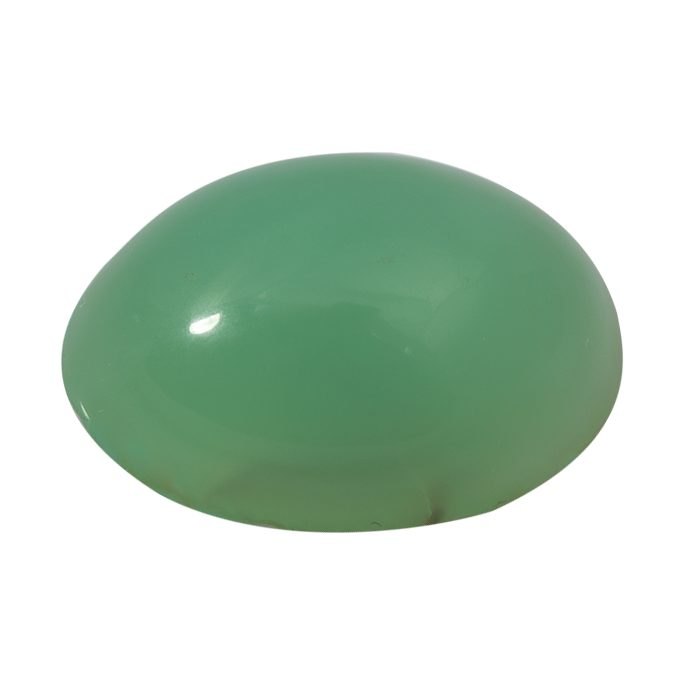
Most variscite jewelry uses cabochons that highlight the natural matrix patterns, and the stone has been a popular alternative to turquoise in Native American Southwest jewelry traditions for over a century.
How Variscite Compares
| Property | Variscite | Turquoise | Chrysoprase |
|---|---|---|---|
| Hardness | 3.5 - 4.5 | 5 - 6 | 6.5 - 7 |
| Price / carat | $ Budget | $ Budget | $ Budget |
| Color | Pale green-teal | Sky blue-green | Apple green |
| Best For | Pendants, heart work | Native American jewelry | Daily wear |
Meaning and Symbolism
Variscite has a relatively recent recorded history as a recognized gemstone, having been formally identified in 1837 and only widely commercially mined in the United States since the late nineteenth century. The mineral's name comes from Variscia, the Latin name for the Vogtland region of Germany where the type specimens were collected.
Native American peoples of the modern Utah and Nevada region collected and used variscite for ornamental purposes for centuries before European contact, particularly Pueblo and Hohokam cultures.
The stone gained recognition in modern Western jewelry traditions during the early twentieth century when Utah and Nevada mining operations began producing significant quantities of fine cabochon-grade material. The Clay Canyon mine in central Utah operated from the 1890s through the mid-twentieth century and produced some of the world's finest variscite.
American Southwest silversmiths adopted variscite alongside turquoise as a traditional setting stone, with the green-blue color complementing the more familiar sky-blue turquoise.
In modern crystal practice, variscite is traditionally associated with the heart chakra and with gentle emotional healing, particularly the kind of slow renewal that comes after periods of grief, exhaustion, or loss. Practitioners believe the stone's pale green color resonates with the heart's natural rhythm of opening and closing in balance.
Many find variscite useful as a meditation companion for compassion practice, with the stone often kept on a bedside altar or worn as a pendant during periods of emotional rebuilding.
Historical Timeline
Healing Tradition
Emotional
Practitioners believe variscite is a stone of gentle emotional renewal and the patient rebuilding that follows periods of grief, exhaustion, or loss.
In crystal healing tradition, it is said to support readers in slowly reopening the heart after experiences that have called for emotional withdrawal, with the stone's pale green color interpreted as a reminder of springtime growth.
Many find variscite useful during convalescence, recovery from emotional setbacks, or any period that calls for steady, patient emotional work.
The stone has long been used in modern crystal practice for compassion practice, particularly for readers in caregiving roles who need to balance care for others with care for themselves.
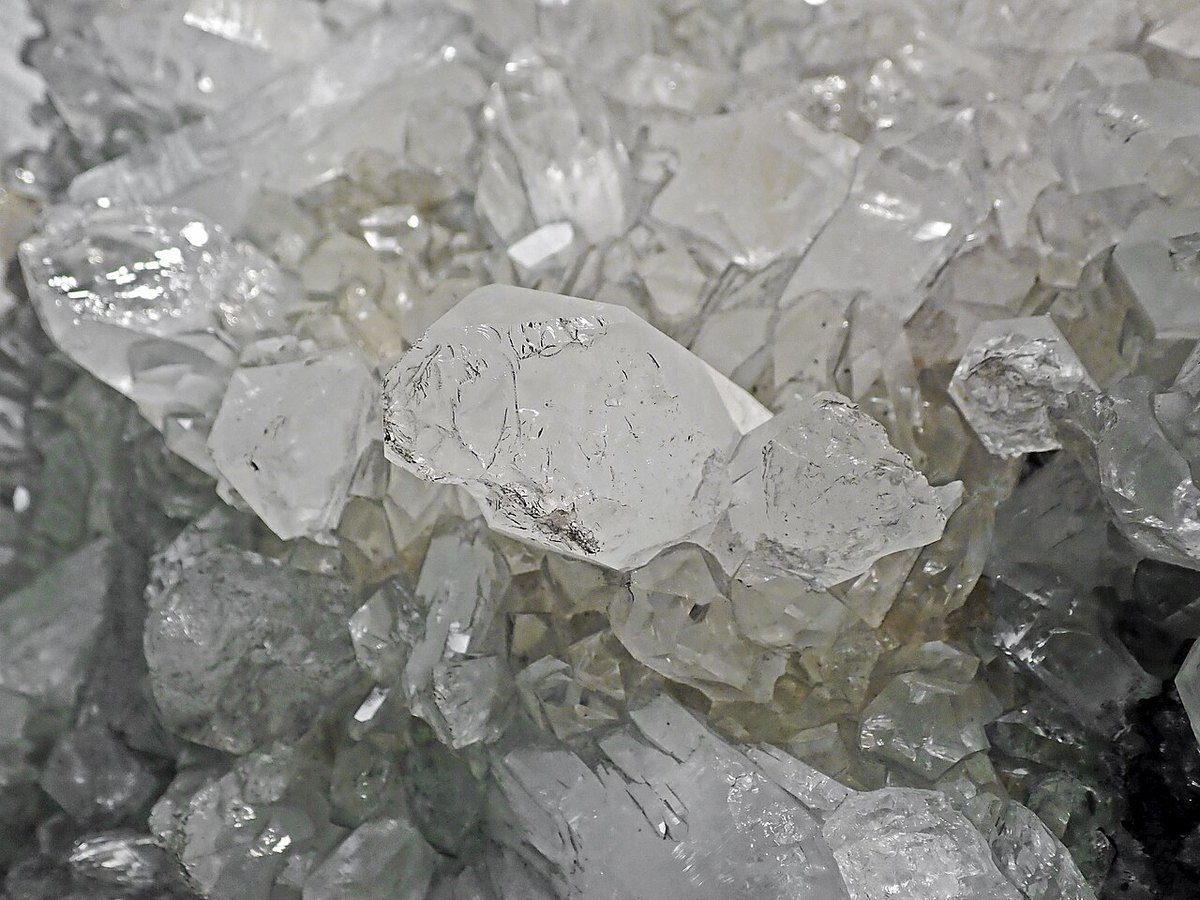
Practitioners often pair variscite with rose quartz for amplified heart work, with clear quartz for focused intention setting, or with black tourmaline when grounding is needed alongside heart-centered work. Variscite is sometimes recommended for readers managing chronic stress that has begun to affect heart-centered relationships.
Spiritual
Variscite is traditionally associated with the heart chakra in modern crystal practice. Practitioners believe its pale green color resonates with the heart's natural rhythm of slow opening and closing, supporting steady emotional renewal rather than dramatic catharsis or forced opening.
It has long been considered a gentle stone in modern crystal traditions, often recommended for sensitive readers who find more intense crystals overwhelming.
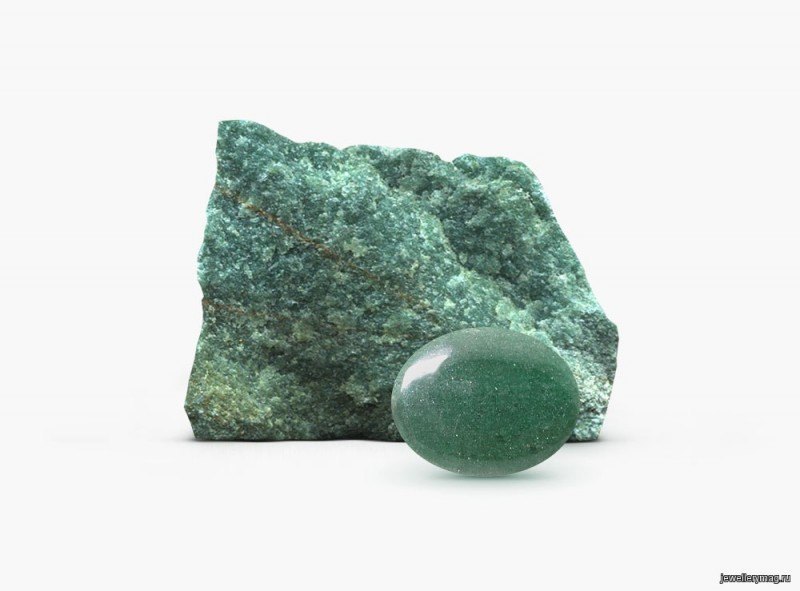
Many find variscite useful in meditation focused on compassion, especially work that involves balancing care for others with care for oneself. The stone pairs well with rose quartz in heart-centered crystal grids and with aventurine as a green companion for amplified heart chakra work.
Practitioners sometimes use variscite in practice focused on Native American Southwest spiritual traditions, drawing on the stone's long history of indigenous use in the region. The stone is generally considered a daytime companion.
Physical
Practitioners believe variscite supports what they describe as the body's heart and circulatory system, which crystal healing tradition associates with the heart chakra. In folklore the stone is sometimes used for general physical recovery after illness, particularly during slow convalescence periods that benefit from steady patient support.
It is also traditionally associated with the immune system and nervous system in modern crystal healing.
Many find variscite useful as a comfort companion during long-term recovery, with the stone often kept on a bedside table rather than worn during the most fragile phases of healing. Variscite is durable enough for daily-wear pendants and bezel-set rings under ordinary conditions, making it suitable for ongoing physical-association work.
Variscite is not a substitute for medical care, and practitioners are careful to frame its role as supportive rather than curative. The stone is sometimes worn as a pendant near the sternum during periods of emotional or physical depletion.
Zodiac, Birthstone and Gifts
Variscite is most often associated with Taurus in modern crystal astrology because of its earth-element character and gentle Venus-ruled heart energy. Practitioners believe the stone supports Taurus readers in cultivating patient love that balances commitment with the sign's natural appreciation for sensual beauty.
It has long been recommended for Taurus professionals in caregiving, healing, or hospitality fields.
Gemini is the secondary association because variscite is sometimes considered a calming influence for the sign's mental restlessness. Astrologers occasionally suggest the stone for Geminis seeking to ground their natural curiosity in the steady rhythm of heart-centered relationships and embodied compassion practice.
Care and Cleansing
Variscite requires gentle handling because of its softness and color sensitivity. A soft dry cloth wipe is the safest routine for removing skin oils, with brief lukewarm water rinses acceptable for occasional deeper cleaning.
Avoid prolonged water exposure, ultrasonic and steam cleaners, and any harsh chemicals. Avoid direct sunlight for extended periods, since the green color can fade over months of UV exposure.
Energetic cleansing with smoke from sage, palo santo, or cedar is widely used and considered safe for variscite. Sound cleansing with a singing bowl or tuning fork works well, and brief moonlight exposure is the most aligned method for the stone's gentle heart energy.
Avoid salt of any kind, which can damage both the stone and any silver setting. Many practitioners recharge variscite by resting it on a clear quartz cluster or selenite plate overnight.
- DO use bezel rather than prong settings for variscite in ring jewelry.
- DO NOT leave variscite in direct sunlight for extended periods, since color can fade.
- DO store variscite separately from harder gems to prevent scratches.
- DO NOT use ultrasonic, steam, or any chemical cleaners on variscite.
- DO ask whether the stone is natural or stabilized; both are accepted but should be disclosed.
- DO NOT confuse variscite with turquoise; the stones share similar appearance but differ significantly in hardness.
- Note: stabilized variscite is more durable than natural and is widely accepted in jewelry production with proper disclosure.
Real vs Fake
Genuine variscite shows characteristic pale green to teal color, often with brown limonite matrix patterns visible as veining or spotting through the stone. Under magnification you may see typical inclusions such as fine fluid bubbles, small crystal inclusions, or the natural granular texture characteristic of secondary alteration mineral formation.
The stone is significantly softer than turquoise (Mohs 3.5 to 4.5 versus 5 to 6), which is one of the easiest at-home tests for distinguishing the two stones.
Common substitutes and confused stones include turquoise (harder, slightly different color range), chrysocolla (different chemistry, often more vivid blue), dyed howlite (much softer, lighter), and synthetic variscite (rare in the trade).
A reputable independent gemological lab can confirm the species using refractive index and density measurements; variscite has refractive index 1.560 to 1.594 and specific gravity 2.40 to 2.60. Stabilized variscite (impregnated with clear resin to improve durability) is widely accepted in jewelry production and should be disclosed.
At home, look for the pale green-to-teal color with characteristic brown matrix patterns, the slightly soapy or waxy feel of natural variscite, and the softer hardness compared with turquoise.
Watch for stones marketed as variscite at suspiciously low prices, since these are often dyed howlite or other softer substitutes priced as the rarer species. Reputable sellers disclose origin (Utah and Nevada for premium American supply, Australia for secondary material) and any stabilization treatment.
Variscite Jewelry & Gifts
Variscite is a moderately affordable specialty gemstone with pricing driven primarily by color quality, matrix pattern, and origin.
Tumbled stones run $1 to $10 each, standard cabochons in pendant or ring sizes typically cost $10 to $50, and premium American material with strong color and attractive matrix patterns reaches $50 to $300 per cabochon.
Exceptional Clay Canyon Utah pieces with documented historical mine origin can exceed $500 in collector circles. Finished Native American silver jewelry with variscite centers typically runs $100 to $1,500 depending on the silversmith, design complexity, and stone quality.
Stabilization with clear resin is widely accepted to improve the stone's durability for jewelry use, and reputable sellers disclose stabilization. Watch for dyed howlite or magnesite marketed as variscite at very low prices.
For collectors and Native American jewelry enthusiasts, Utah Clay Canyon material represents the premium end of the market. supply from active small mines in Utah and Nevada continues to support the specialty market, but historical Clay Canyon stones command increasing collector premiums.
Where to Buy Variscite
Affiliate disclosure: Some links below earn us a small commission at no extra cost to you. See our affiliate disclosure page.
Handmade, raw, and tumbled pieces from independent sellers worldwide.
Shop Variscite on Etsy →Accessories, tools, and specimen sets with fast Prime delivery.
Shop Variscite on Amazon →Certified loose gemstones graded and photographed for online buyers.
Shop Variscite on GemSelect →Pairs Well With


Where Variscite Is Found


